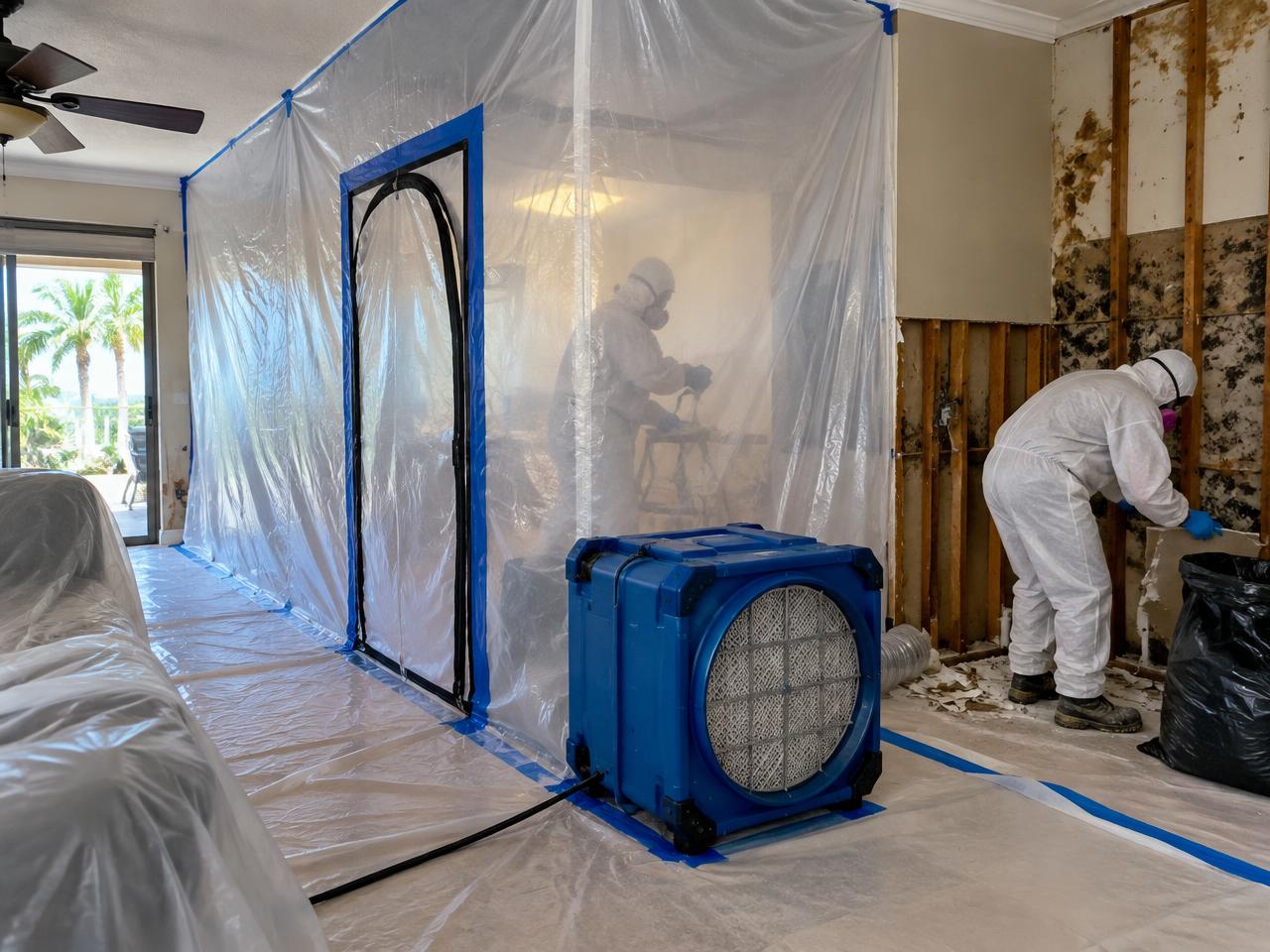
Mold can take hold almost anywhere conditions allow, but certain areas in your home are far more vulnerable than others. Fungi require moisture, warm temperatures, and organic materials to grow—conditions that Florida's humid climate readily provides. Knowing where to look helps you catch moisture intrusion before it leads to extensive structural concerns.
Frequent Areas for Indoor Mold Growth
Scheduling a professional mold inspection and assessment is the most reliable way to identify both visible and concealed fungal activity. However, routine checks around your home can help you spot early signs in these common trouble zones:
- Kitchens: Check beneath the kitchen sink around plumbing shut-off valves, behind the refrigerator near the ice maker water line, and around dishwashers where slow leaks often go unnoticed.
- Bathrooms: High humidity from showers makes bathrooms prime territory for mold. Inspect tile grout, caulking around tubs, drywall near exhaust fans, and the vanity cabinet base. Ensure exhaust fans run during and after showers to exhaust humid air outside.
- Air Conditioning Closets & Mechanical Rooms: In Florida, the indoor air handler closet is one of the most frequent locations for mold. Air conditioning units produce constant condensation. If the drain pan rusts, the condensate line backs up, or the closet lacks adequate air circulation, mold can rapidly develop on drywall and insulation.
- Attics and Roof Penetrations: Roof leaks caused by heavy summer rainstorms or tropical weather can introduce water into attic insulation and ceiling joists. Poorly ventilated attics trap heat and moisture, accelerating surface growth on rafters and ceiling drywall.
- Laundry Rooms: Washing machine supply hoses, drain connections, and poorly vented dryer ducts introduce elevated ambient moisture that settles behind and beneath appliances.
Mold can also spread directly through your HVAC ductwork. When filters become clogged or ducts develop condensation due to temperature imbalances, spores circulate across living spaces. Keeping your system serviced and inspecting filters regularly helps maintain indoor air quality.
Concealed Mold: Looking Beyond the Surface
Not all mold growth is immediately visible. Spores often colonize concealed cavities behind drywall, beneath baseboards, or under floor coverings following plumbing leaks or storm-driven water intrusions. If you have experienced roof leaks, supply line failures, or exterior moisture intrusion, addressing the dampness promptly with water damage restoration is critical.
Warning signs of hidden moisture include persistent earthy or musty smells, spongy drywall, blistering paint, and warping floorboards. Wallpaper and decorative wall coverings can also trap moisture against drywall, creating an unseen reservoir for mold.
Understanding What Drives Mold in Florida
Mold spores exist naturally in the outdoor air; they only become an indoor concern when elevated moisture and stagnant air allow them to colonize building materials. Unlike homes in colder climates with basements, Florida residences are primarily constructed on concrete slab foundations or raised piers, shifting moisture challenges to AC air handler closets, window sills subjected to heavy rain, and unconditioned crawlspaces.
If you suspect moisture is trapped in your walls or notice unexplained musty odors in your home, professional testing provides clear answers. Licensed mold assessors utilize non-destructive tools, such as thermal imaging and calibrated moisture meters, to detect moisture intrusion and outline a clear protocol for mold remediation if necessary.