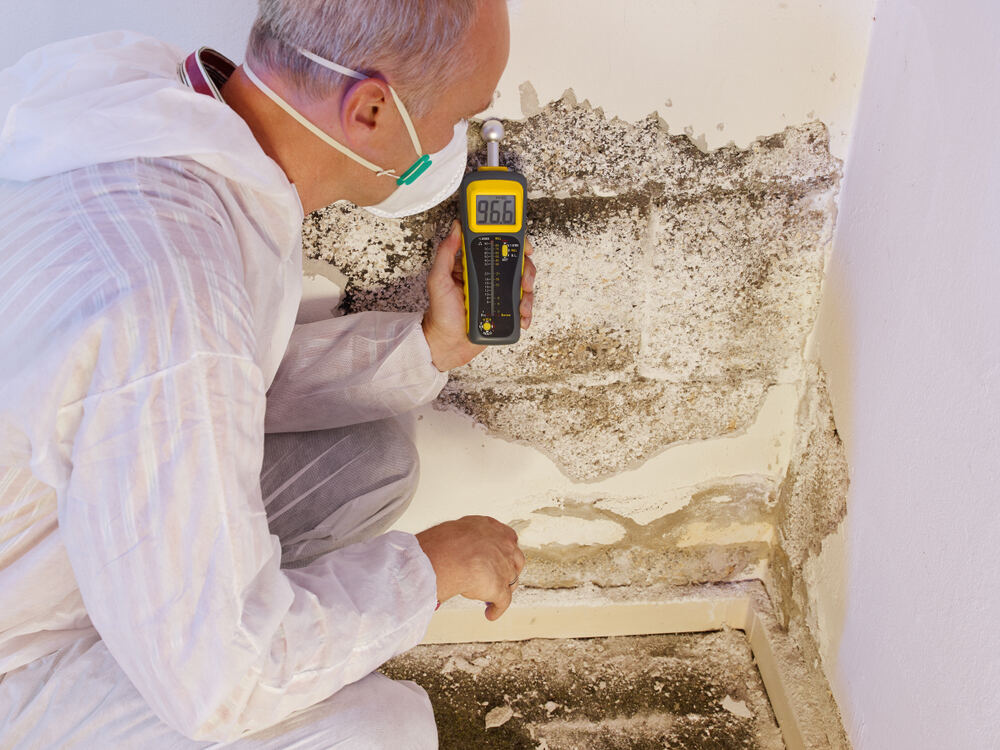
Mold is more than an unsightly stain—in Florida's humid subtropical climate, it can quickly challenge indoor comfort and compromise building materials. While wiping away a small spot on a bathroom tile might be manageable with regular household cleaning, extensive or recurring growth demands professional intervention. State-licensed mold professionals possess the specialized containment equipment and diagnostic tools necessary to locate hidden moisture and remediate the issue safely.
Understanding Mold Growth in Florida Properties
Mold spores exist naturally in the air, but they require elevated moisture, warm temperatures, and organic building materials to establish colonies. In Central and South Florida, indoor environments frequently face high ambient humidity, heavy afternoon thunderstorms, hurricane-driven wind-driven rain, and condensation from continuously running air conditioning systems. Common indoor molds include species such as Aspergillus, Penicillium, and Cladosporium.
When moisture intrusion goes unaddressed, microbial growth can spread rapidly behind walls, under floor coverings, and through ductwork. Recognizing the early warning signs allows property owners to intervene before minor water issues turn into costly structural repairs.
Signs You Need Professional Mold Services
Growth Exceeding 10 Square Feet
The U.S. Environmental Protection Agency (EPA) advises property owners to bring in professional assistance whenever visible mold covers more than 10 square feet (roughly a 3-foot by 3-foot section). Significant patches typically signal an active moisture source that requires systematic containment and controlled removal.
Recurring Growth in the Same Location
If you clean a moldy baseboard, ceiling corner, or drywall panel only to see the growth return within weeks, surface cleaning is not solving the underlying defect. Recurring growth is usually driven by hidden water intrusion, roof leaks, or failing insulation around chilled refrigerant lines. A thorough mold testing and assessment protocol can pinpoint the moisture intrusion feeding the colony.
Structural Softening or Material Decay
When mold hyphae penetrate deep into porous materials such as drywall, subflooring, or structural wood framing, the structural integrity of those elements deteriorates. Once building assemblies lose density or display rot, damaged materials must be removed and replaced under strict containment conditions.
Unexplained Musty Odors and Indoor Air Complaints
Mold often grows out of sight inside wall cavities or HVAC plenums, announcing itself only through an earthy, damp odor. When occupants consistently notice musty smells or report increased sneezing, coughing, and irritated eyes that improve when leaving the building, scheduling an indoor inspection is strongly advisable.
The Hidden Risks of DIY Mold Removal
Wiping down small surface areas of non-porous tile or metal is standard maintenance. However, attempting to tear out moldy drywall or scrub large patches without professional controls presents distinct risks:
- Lack of Containment: Aggressive scrubbing or demolition aerosolizes millions of microscopic spores, which air handlers can circulate throughout every room in the property.
- Cross-Contamination: Certified technicians use physical poly containment barriers and negative air machines equipped with HEPA filtration to keep disturbed particles confined to the work zone.
- Overlooking Concealed Pockets: Bleach and consumer sprays cannot penetrate porous substrates. While the surface might appear clean, fungal roots remain alive inside the material and re-emerge quickly.
- Personal Exposure: Disturbing established fungal colonies without calibrated personal protective equipment (PPE) exposes occupants to concentrated airborne bioaerosols.
Scenarios That Warrant Immediate Professional Intervention
Following Water Damage or Storm Infiltration
After plumbing failures, supply line bursts, or roof leaks caused by severe weather, indoor materials can support microbial growth within 24 to 48 hours. Quick engagement with professional water damage restoration and drying teams prevents hidden dampness from fostering widespread mold colonization.
During Real Estate Transactions
Whether you are purchasing a home in Fort Lauderdale or preparing an estate for sale in Volusia County, an independent assessment can uncover damp subfloors or hidden attic growth before closing, protecting the asset's market value and buyer confidence.
Commercial and Tenant-Occupied Properties
Property managers, retail operations, and office buildings face rigorous indoor environmental quality standards. Documenting issues with licensed assessors and following formal remediation protocols protects both tenant safety and commercial property liabilities.
What to Expect from Professional Remediation
When you engage licensed specialists for mold remediation, the process follows standardized industry protocols defined by the IICRC S520 Standard for Professional Mold Remediation:
- Diagnostic Inspection: Assessors use moisture meters, infrared thermal cameras, and air sampling to define the boundary of contamination.
- Engineered Containment: The work area is isolated under negative air pressure with HEPA filtration to prevent airborne migration.
- Controlled Removal: Contaminated porous materials are bagged and disposed of safely, while non-porous surfaces undergo HEPA vacuuming and damp-wiping with EPA-registered antimicrobials.
- Structural Drying & Clearance: Dehumidification equipment dries building assemblies to acceptable equilibrium moisture content before containment is taken down.
Why Florida Property Owners Choose Ahold of Mold Environmental
Family-owned and operated since 1996, Ahold of Mold Environmental brings decades of hands-on expertise to residential, commercial, and marine clients throughout Florida. Our team holds state credentials as both a licensed Mold Assessor (MRSA3074) and Mold Remediator (MRSR4581), ensuring all projects comply with Florida Chapter 468 Part XVI guidelines.
Whether you need an inspection across Central Florida (Volusia, Flagler, and Brevard counties) or full remediation support in South Florida (Broward County and Fort Lauderdale), we deliver transparent reporting, proven containment protocols, and clear remediation plans tailored to the region's unique humidity challenges.
Don't let unexplained moisture or visible growth compromise your property. Contact Ahold of Mold Environmental today to schedule an assessment or discuss your property's needs with our licensed specialists.