It’s a stressful scenario for any homeowner: watching water intrude into your living space during a tropical storm or coming home to an unexpected plumbing rupture. In Florida's climate, taking fast, decisive action is critical to protect your family and your property from escalating structural rot and microbial growth.
Here is an overview of the essential steps you should take if you experience indoor flooding. For professional guidance, consult a local specialist in water damage restoration immediately:
- Stop the water at its source: If the flooding stems from a broken supply line, water heater failure, or appliance malfunction, locate your home’s main water shutoff valve immediately and turn it off. If the water is rising from severe exterior weather or storm surge, do not attempt to stop it manually—focus entirely on safety and evacuation.
- Shut down electricity safely: Water conducts electricity, presenting a severe shock hazard. If your electrical panel is accessible without stepping in or near standing water, shut off the main breaker. If reaching the panel requires walking through water, stay clear and call your local utility company or an electrician right away.
- Evacuate if conditions are unsafe: If contaminated water (such as sewage backups or outdoor runoff) enters the living space, or if the structural integrity of your home is compromised, evacuate immediately. Seek temporary shelter with neighbors or at a local hotel until professional assessors can inspect the property.
- Contact your insurance company: Reach out to your insurance carrier promptly to report the damage. Be aware of policy distinctions: sudden interior pipe breaks are typically filed under standard homeowners insurance, whereas ground-level storm flooding requires a dedicated flood insurance policy through the National Flood Insurance Program (NFIP) or private flood underwriters. Keep in mind that many Florida homeowners policies also include a specific $10,000 sublimit for mold damage.
- Document all damage thoroughly: Before removing wet items or beginning cleanup, take extensive photos and videos of water levels, affected furniture, warped baseboards, and personal property. Keep detailed logs of all communications with adjusters, remediation professionals, and municipal services.
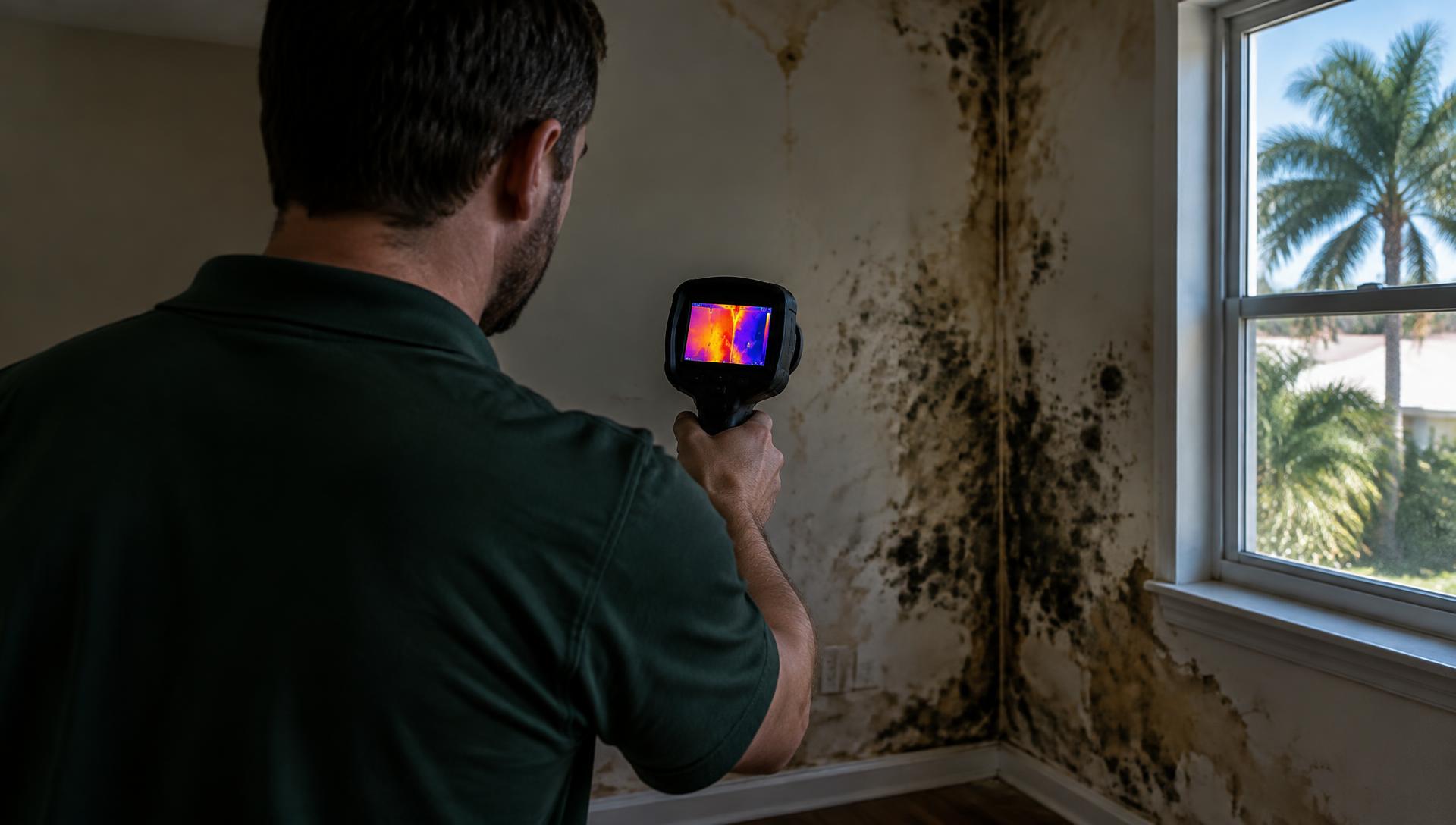
- Begin rapid extraction and drying: Removing standing water is only the first step. Because Florida's ambient humidity rapidly accelerates fungal growth, building materials must be dried with commercial air movers and dehumidifiers. If materials stay wet for longer than 24 to 48 hours, professional mold remediation may be required to safely address spore development behind walls and under floors.
Whether you are dealing with a burst pipe in Fort Lauderdale or storm runoff in Central Florida, acting quickly protects your investment. Contact Ahold of Mold Environmental for licensed assessment and structural drying services to restore your home safely.