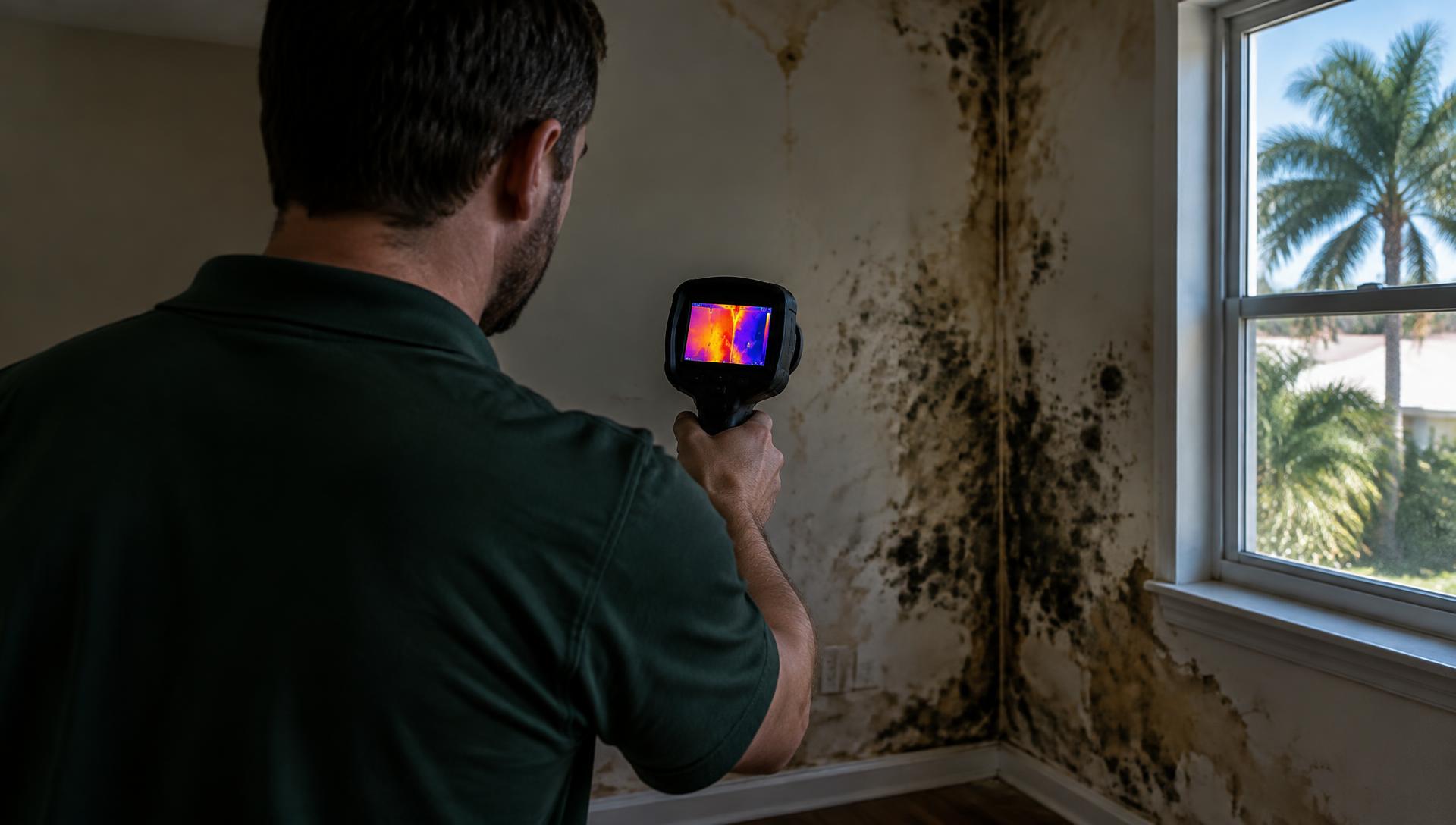
Is your building making you feel unwell? If you or your coworkers suffer from headaches, irritated sinuses, skin irritation, fatigue, or difficulty concentrating—symptoms that consistently lessen or vanish once you step outside—you may be dealing with sick building syndrome in Florida.
Understanding the root environmental causes of poor indoor air quality is the first step toward restoring a safe, breathable indoor environment.
How Can a Building Be "Sick"?
Sick building syndrome (SBS) describes situations where building occupants experience acute health or comfort issues that appear linked to time spent indoors, without a specific illness or single cause identified. In Florida's subtropical climate, this condition is frequently driven by modern construction practices and HVAC limitations.
Modern homes and commercial properties are built tightly to prevent conditioned air from escaping, keeping power bills manageable. However, when fresh air exchange is minimal, indoor contaminants accumulate. Common culprits include:
- Volatile Organic Compounds (VOCs): Emitted by paints, adhesives, new carpets, and synthetic furnishings.
- Elevated Humidity and Mold: Florida's persistent outdoor moisture can infiltrate indoor spaces or collect in air handling units, fostering hidden microbial colonies.
- HVAC Recirculation: Systems that recirculate stale, filtered air without adequate outdoor air intake continuously redistribute airborne particulate matter.
- Cleaning Chemicals and Pesticides: Aerosols and chemical residues trapped in poorly ventilated rooms.
Recognizing the Symptoms of Sick Building Syndrome
Occupants experiencing sick building syndrome often describe complaints that mimic mild seasonal allergies or lingering colds, including:
- Persistent headaches or mental fatigue
- Scratchy throat, nasal congestion, and sinus irritation
- Eye and skin dryness or irritation
- Unusual lethargy or trouble focusing during the workday
Because these issues overlap with common respiratory conditions, identifying SBS requires tracking when and where they occur. If you suspect an issue, keep a simple symptom log: record where you were, the duration of exposure, and how quickly your symptoms improved after leaving the property.
Investigating and Mitigating the Problem
Resolving indoor air quality challenges requires addressing the environmental source rather than simply masking odors or symptoms.
Practical initial steps include maintaining indoor relative humidity below 60%, replacing HVAC filters regularly with high-efficiency media, ensuring adequate outdoor ventilation, and scheduling a healthy home assessment to evaluate whole-house moisture levels.
If persistent mold odors or unexplained symptoms continue, professional diagnostic work is critical. Under Florida Chapter 468 mold licensing regulations, licensed assessors conduct detailed inspections and laboratory sampling. Arranging targeted mold testing can determine whether elevated mold spores or ventilation defects are contributing to poor indoor conditions. If elevated microbial reservoirs are discovered, a licensed team can carry out targeted mold remediation to safely correct the problem at its source.
Don't spend your days struggling with poor indoor air quality. If your home or commercial office in Central Florida or South Florida triggers unexplained discomfort, contact Ahold of Mold Environmental today to schedule a thorough assessment.