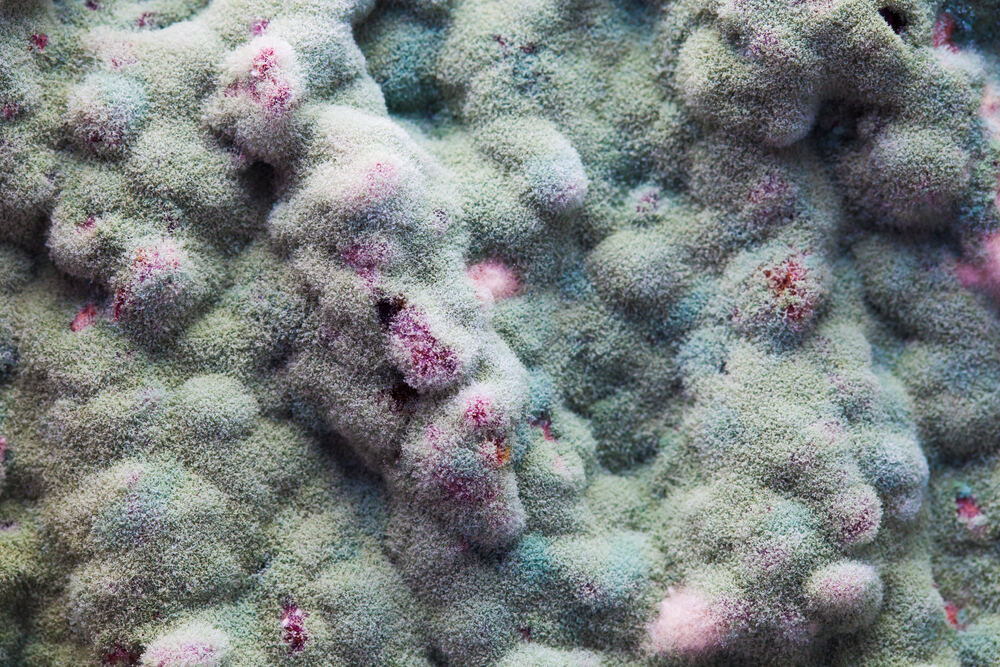
Elevated indoor mold is a serious environmental concern that can trigger noticeable reactions, particularly in young children whose respiratory and immune systems are still developing. In warm, humid climates like Florida, where air conditioning systems run almost constantly, closed indoor environments can easily trap airborne allergens. Recognizing the common indicators of mold exposure helps parents take action before moisture issues escalate.
1. Respiratory Issues
Respiratory discomfort is frequently the first sign parents notice when elevated spore counts are present indoors. When children inhale mold fragments and airborne spores, the airways can become irritated:
Asthma Exacerbation
For children with pre-existing asthma, indoor mold exposure can trigger flare-ups. Attacks may become more frequent or severe, requiring rescue inhalers more often when spending time in rooms with hidden dampness.
Chronic Coughing and Wheezing
Even children without documented respiratory conditions may develop persistent coughing, throat clearing, or mild wheezing from airborne irritants. These symptoms often worsen during the night if mold is active inside bedroom walls or AC ductwork.
Nasal Congestion and Sinus Inflammation
A chronic runny nose, post-nasal drip, and recurring sinus congestion can mimic common seasonal allergies. If these issues linger year-round inside an air-conditioned home, having professional mold testing conducted can confirm whether fungal spores are present at elevated levels.
2. Skin Irritation
Direct contact with moldy surfaces or sustained airborne exposure in damp indoor spaces can cause dermatological reactions:
Rashes and Hives
Sensitive children may develop itchy, red patches, contact dermatitis, or localized hives after spending time in rooms with moisture intrusion.
Eczema Flare-Ups
Indoor allergens are well-documented triggers for childhood eczema. Persistent exposure to fungal particles can aggravate dry skin, causing severe itching and difficult-to-manage flare-ups.
3. Cognitive and Behavioral Changes
Poor indoor air quality and constant physical discomfort can disrupt a child's day-to-day focus and well-being:
Difficulty Concentrating
Persistent sinus pressure, headaches, and low-level physical irritation can make it difficult for children to focus on schoolwork or stay engaged during activities.
Irritability and Mood Changes
When children feel unwell without an obvious explanation, their sleep and mood suffer. Irritability, restlessness, or unusual fatigue can stem from uncomfortable indoor conditions.
Sleep Disruption
Congestion, coughing, and nighttime airway irritation can prevent deep, restorative rest. If your child frequently wakes up congested or tosses and turns, their bedroom air quality deserves a closer look through a healthy home assessment.
4. Gastrointestinal Distress
While less common than respiratory symptoms, gastrointestinal upset can occasionally occur in households with significant microbial contamination. Some children exposed to elevated dampness report:
Nausea and Poor Appetite
Children may complain of mild nausea or an upset stomach, particularly in spaces with strong, musty microbial volatile organic compound (mVOC) odors.
Stomach Discomfort
Unexplained abdominal cramping or digestive sensitivity that correlates with time spent at home should be discussed with a medical professional while evaluating the property for hidden water intrusion.
5. Immune System Fatigue
Living in a home with active moisture intrusion continuously challenges a developing immune response:
Frequent Colds and Infections
Children constantly exposed to poor indoor air may seem to catch every bug that goes around, struggling with recurrent ear infections or upper respiratory illnesses.
Lingering Recovery Times
When indoor air is compromised, simple viral colds can linger longer than usual because the airways remain continuously inflamed by background allergens.
Chronic Lethargy
Unexplained daytime fatigue—where a child seems tired even after full nights in bed—is often tied to disrupted breathing and chronic systemic irritation.
How Ahold of Mold Environmental Can Help
If you suspect dampness or poor indoor air is affecting your family, professional evaluation is the most reliable way to identify the source. Ahold of Mold Environmental has provided licensed indoor environmental assessments and remediation since 1996 (FL License Mold Assessor MRSA3074, Mold Remediator MRSR4581).
Comprehensive Mold Inspections
We perform thorough visual inspections, thermal imaging, and moisture mapping to uncover hidden dampness behind drywall, under flooring, and around HVAC air handlers.
Independent Lab Testing
Our licensed assessors collect indoor air and surface samples for independent laboratory analysis, comparing indoor spore concentrations with outdoor baseline levels to determine if elevated conditions exist.
Targeted Remediation Protocols
When problems are found, our licensed remediation division carries out containment, HEPA air filtration, and source removal under strict industry guidelines via mold remediation services, restoring clean air to your living space.
Protect Your Family's Indoor Air
Do not let hidden moisture and mold compromise your home's air quality. Whether you are in South Florida—including Fort Lauderdale and Broward County—or throughout Central Florida across Volusia, Flagler, and Brevard counties, our family-owned team is here to help. Contact Ahold of Mold Environmental today to schedule an inspection. Call our Central Florida office at (386) 492-1288 or our South Florida office at (954) 281-2666.