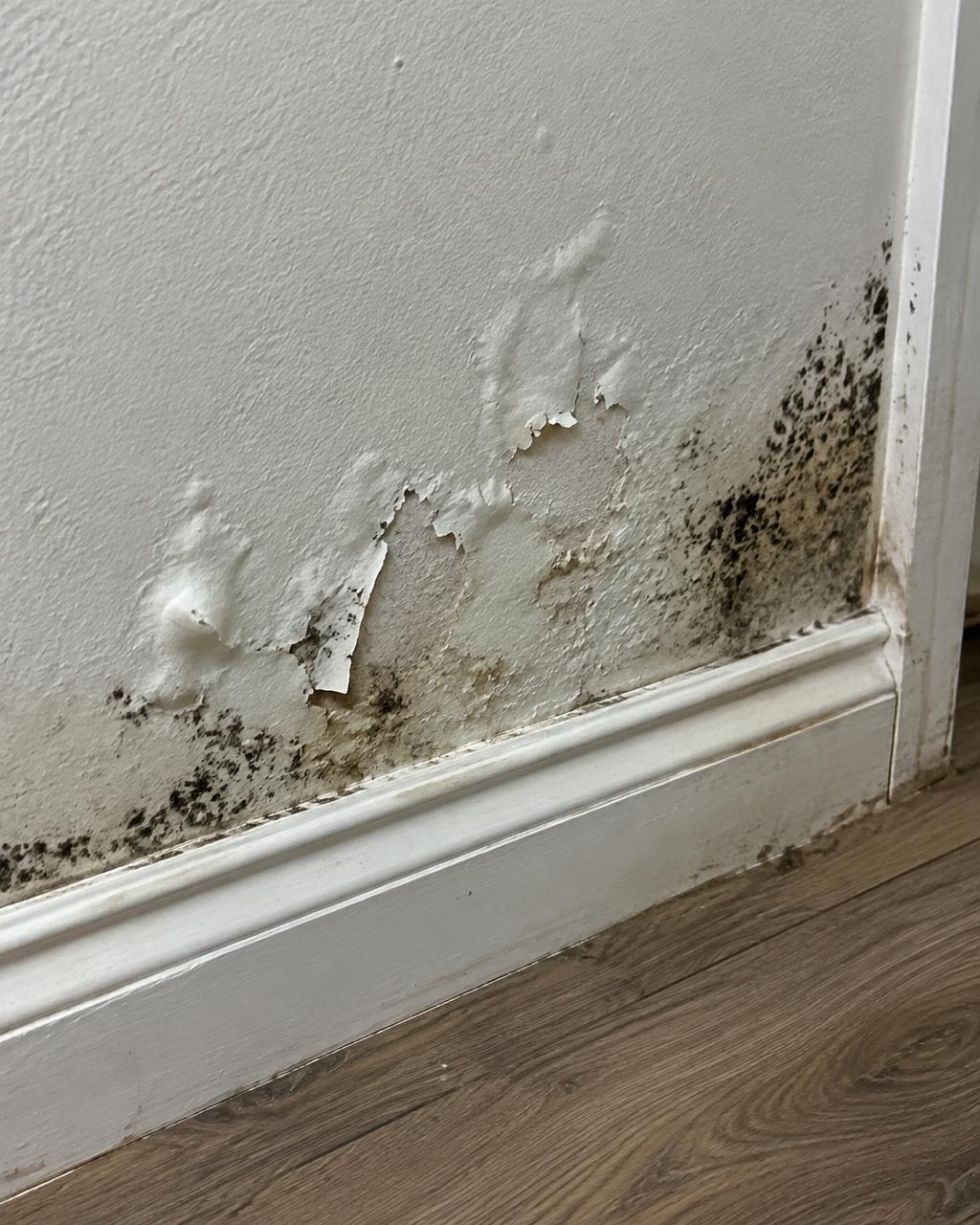
Water damage is a frequent and serious challenge for Florida homeowners, whether caused by tropical storm surges, heavy seasonal rains, or interior plumbing failures. Beyond the immediate damage to wet building materials, standing water introduces an aggressive risk of mold amplification. In our subtropical climate, taking immediate, structured steps after water intrusion is essential to protect your property and indoor air quality.
Steps To Prevent Mold Growth After Flooding
To reduce the likelihood of widespread fungal growth, follow these key restoration steps immediately:
- Extract standing water and dry the area thoroughly. Mold spores require moisture and organic materials to colonize. The faster standing water is removed, the lower your risk. Professional water damage restoration utilizing commercial-grade air movers and structural extractors is often necessary to pull moisture from deep within wall cavities, subfloors, and framing.
- Control indoor humidity. Even after surface water is removed, residual moisture in the air will settle back into porous surfaces. In Florida, open windows frequently invite outdoor humidity above 75%, which hinders drying. Close windows, run high-capacity commercial dehumidifiers, and maintain air conditioning to keep indoor relative humidity below 50% during the drying process.
- Remove unsalvageable porous materials. Saturated carpet padding, insulation, and wet drywall absorb water rapidly. If floodwater entered from outside, it often carries silt and contaminants that make porous flooring and drywall impossible to properly sanitize. Removing damaged materials quickly allows structural studs and concrete slabs to dry out completely.
- Clean and sanitize non-porous surfaces. Wash structural framing, tile, and concrete with appropriate antimicrobial solutions designed for water-damage restoration. Ensure surfaces are fully dry before any reconstruction or cosmetic repairs begin.
Professional Assessment and Remediation in Florida
If drying efforts were delayed or moisture remained trapped behind baseboards and cabinets, mold can spread hidden from view. Before closing up walls or replacing flooring, consider professional mold testing to verify that spore levels have normalized and building materials have reached dry standards.
If significant mold has already developed, state-licensed mold remediation is required to contain and clear the contamination safely. Ahold of Mold Environmental has been family-owned and operated since 1996, providing licensed mold assessment (MRSA3074) and mold remediation (MRSR4581) across Volusia, Flagler, and Brevard counties in Central Florida, as well as Broward County and Fort Lauderdale in South Florida.