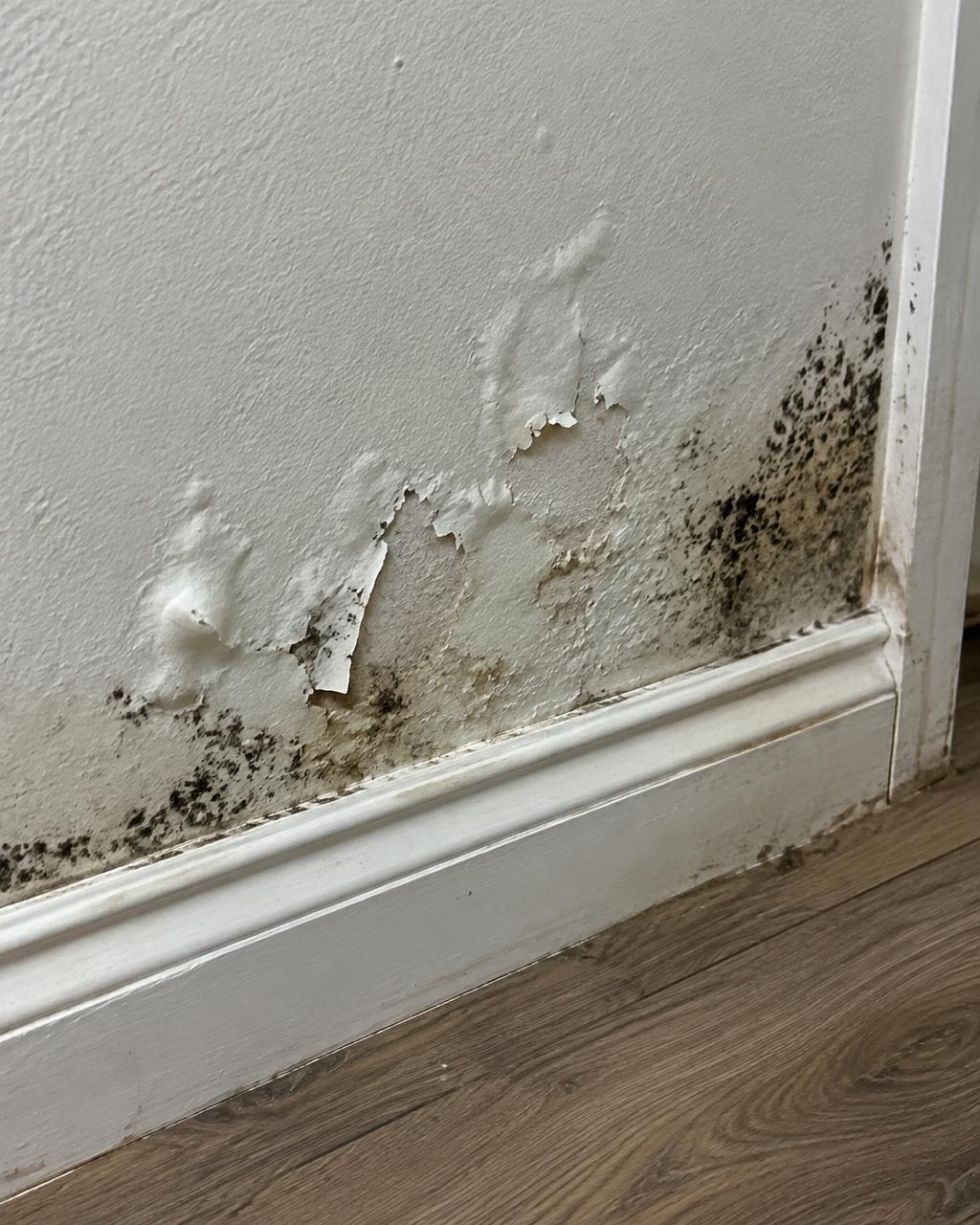
In Florida's warm, humid climate, preventing mold growth requires a proactive approach centered on moisture control. Mold spores exist naturally in the air, but they only germinate indoors when they encounter sustained dampness and organic materials like drywall, baseboards, or ceiling tiles. Here are key steps you can take to safeguard your property.
Keep Everything Dry and Address Leaks Immediately
Moisture is the primary driver of indoor mold. Address plumbing drips, roof leaks, and window seepage the moment you notice them. If your home experiences flooding or an appliance overflow, thorough drying must begin within 24 to 48 hours. When structural materials become saturated, professional water damage restoration is often needed to extract trapped moisture before mold can establish itself.
Manage Indoor Humidity and AC Usage
While opening windows can air out homes in drier regions, doing so in Florida often pulls humid outdoor air inside. Keep doors and windows closed during the hot, rainy months and rely on your central air conditioning to dehumidify your living space. Set your thermostat to "Auto" rather than "On" so moisture collected on the evaporator coils does not blow back into your home. Aim to keep indoor relative humidity consistently below 55%.
Ventilate High-Moisture Areas
Bathrooms, kitchens, and laundry rooms generate substantial moisture during daily activities. Always run bathroom exhaust fans during showers and for at least 15 to 20 minutes afterward. Ensure that clothes dryers and kitchen range hoods are vented directly to the exterior rather than into an attic or crawlspace.
Clean and Maintain Surfaces
Regular household cleaning removes the dust and organic debris that mold uses as a food source. For routine maintenance on non-porous surfaces, cleaning solutions containing diluted white vinegar, hydrogen peroxide, or mild detergents can help break down grime. Avoid using bleach on porous materials like unsealed wood or drywall, as water in bleach can soak in while the active agent remains on the surface, leaving residual dampness behind.
Schedule a Professional Mold Inspection
Mold frequently hides in concealed spaces, such as inside AC ductwork, behind baseboards, or under subfloors. If you detect an unexplained musty smell or have recurring moisture issues, scheduling professional mold testing or a healthy home assessment provides an objective evaluation of your indoor air quality.
Under Florida law (Chapter 468 Part XVI), independent mold assessors identify the underlying moisture problem and outline clear remediation protocols. If extensive contamination is present, a licensed team can perform targeted mold remediation to safely isolate and remove damaged materials.