If you have ever experienced a fire, you already know the extensive devastation it leaves behind. Beyond charred materials and lingering smoke odors, homeowners are often confronted with another urgent crisis: the hundreds or thousands of gallons of water used to put out the flames. In Florida’s warm, humid climate, standing water and saturated structural materials present an immediate risk for secondary damage that requires swift, coordinated action.
Immediate Steps to Take After a House Fire
Recovering from fire and water damage requires a structured approach to protect your safety, your property, and your insurance claim.
1. Prioritize Physical Safety
Never enter a fire-damaged property until local municipal fire authorities give official clearance. Fire compromises structural framing, weakens ceiling joists, and damages electrical lines. Water-logged drywall and insulation add thousands of pounds of overhead weight, raising the risk of structural collapse.
While waiting outside, examine the building's exterior. Check for sagging rooflines, compromised walls, and submerged electrical fixtures. If you suspect any gas line compromise or exposed electrical wiring, keep a safe distance and alert emergency responders immediately.
2. Contact Your Insurance Carrier
Once you are safe, notify your insurance carrier to open a claim. An adjuster will be assigned to evaluate the property and estimate repair costs. Ask your adjuster specific questions about coverage limits, temporary living arrangements (Additional Living Expenses or ALE), and coverage for mitigation services.
Keep in mind that many Florida homeowner policies include specific restrictions or sublimits for microbial growth—frequently capped at $10,000. Rapid extraction through professional water damage restoration helps contain costs before mold takes hold.
3. Document All Losses Thoroughly
Before cleanup crews remove saturated personal property or structural components, record clear photographic and video evidence. Walk through every affected room once cleared for safety and document:
- Standing water levels and water lines on drywall or baseboards
- Charred, melted, or smoke-damaged structural materials
- Damaged furnishings, electronics, textiles, and personal belongings
- Serial numbers, make, and model information for appliances
Organize these records alongside an itemized list to submit directly to your claims adjuster.
4. Prevent Secondary Microbial Growth
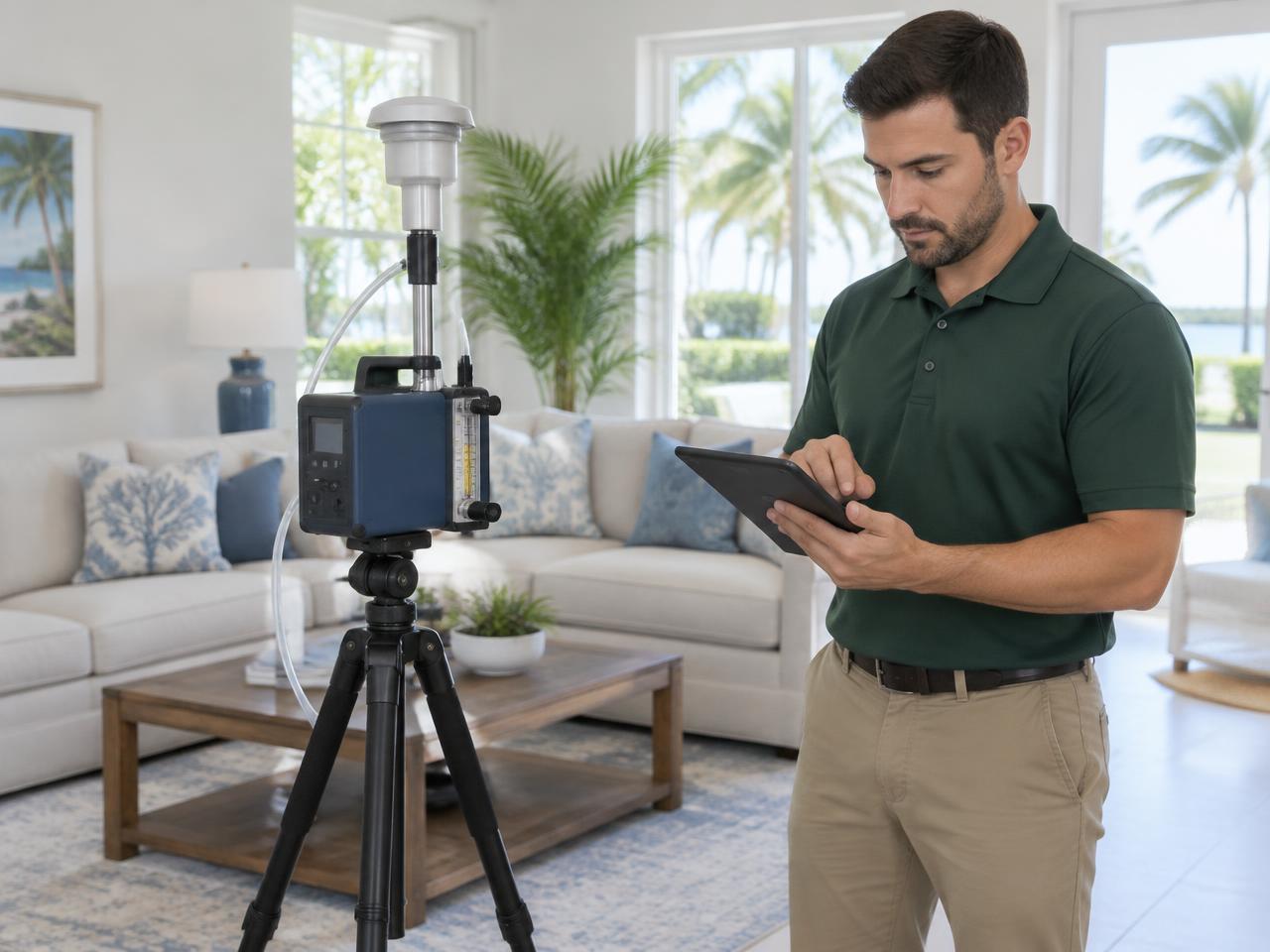
In regions like South Florida and Central Florida, unconditioned indoor air quickly reaches dangerous humidity thresholds. In wet building assemblies, mold spores can germinate and spread in as little as 24 to 48 hours. If water lingers in wall cavities, floors, or insulation, independent mold testing can pinpoint hidden moisture pockets and assess whether mold has developed behind walls.
5. Hire Licensed Florida Restoration and Remediation Specialists
Remediating structural fire and water damage requires specialized moisture meters, commercial dehumidifiers, and air filtration equipment. Under Florida law (Chapter 468 Part XVI), mold assessment and mold remediation must adhere to strict licensing requirements to ensure work is completed thoroughly and objectively.
If mold colonization has already occurred as a result of firefighting water, professional mold remediation under proper containment ensures spore spread is halted. Whether you are dealing with structural moisture in Fort Lauderdale or along the Central Florida coast, taking immediate action is the key to salvaging your home. For professional moisture mitigation and certified assessment guidance, contact Ahold of Mold Environmental today.