One of the largest investments you will ever make is your home. Because your family spends so much time indoors, keeping the property safe and structurally sound is essential. House fires represent one of the most destructive hazards a homeowner can face. Understanding the most frequent origins of residential blazes helps you protect your property and loved ones.
Fires Caused by Cooking
Cooking remains the leading cause of residential structure fires. While preparing meals is part of daily life, open burners and high cooking temperatures create substantial risks. Cooking oils and greases are particularly volatile and can ignite quickly when overheated. Never leave frying pans, stovetops, or ovens unattended while in use. Keeping cooktops free of grease buildup and having a working kitchen fire extinguisher nearby are critical safety measures.
Electrical Systems and Overloaded Appliances
Electrical failures account for a significant portion of structural fires. In Florida, electrical systems run under heavy loads year-round due to continuous central air conditioning demands. Common hazards include frayed power cords, overloaded electrical outlets, damaged power strips, and worn wiring behind walls. High-draw personal appliances such as hair dryers, clothing irons, and space heaters must always be turned off and placed on heat-safe surfaces when not in use.
Open Flames and Candles
Candles, lighters, gas stoves, and decorative lanterns add ambiance or emergency light during storm-related power outages, but unattended flames pose an immediate danger. Keep all candles and open flames away from draperies, paper, and upholstery, and ensure they are fully extinguished before leaving a room or going to sleep.
Florida Lightning and Storm Hazards
Florida experiences more lightning strikes per square mile than any other state. Lightning can strike a roof directly, enter electrical wiring, or spark attic insulation without immediate exterior signs of fire. Additionally, improper generator use during hurricane recovery periods—such as operating units too close to structures or backfeeding electrical panels—can quickly spark devastating house fires.
Secondary Damage: Firefighting Water and Mold Risks
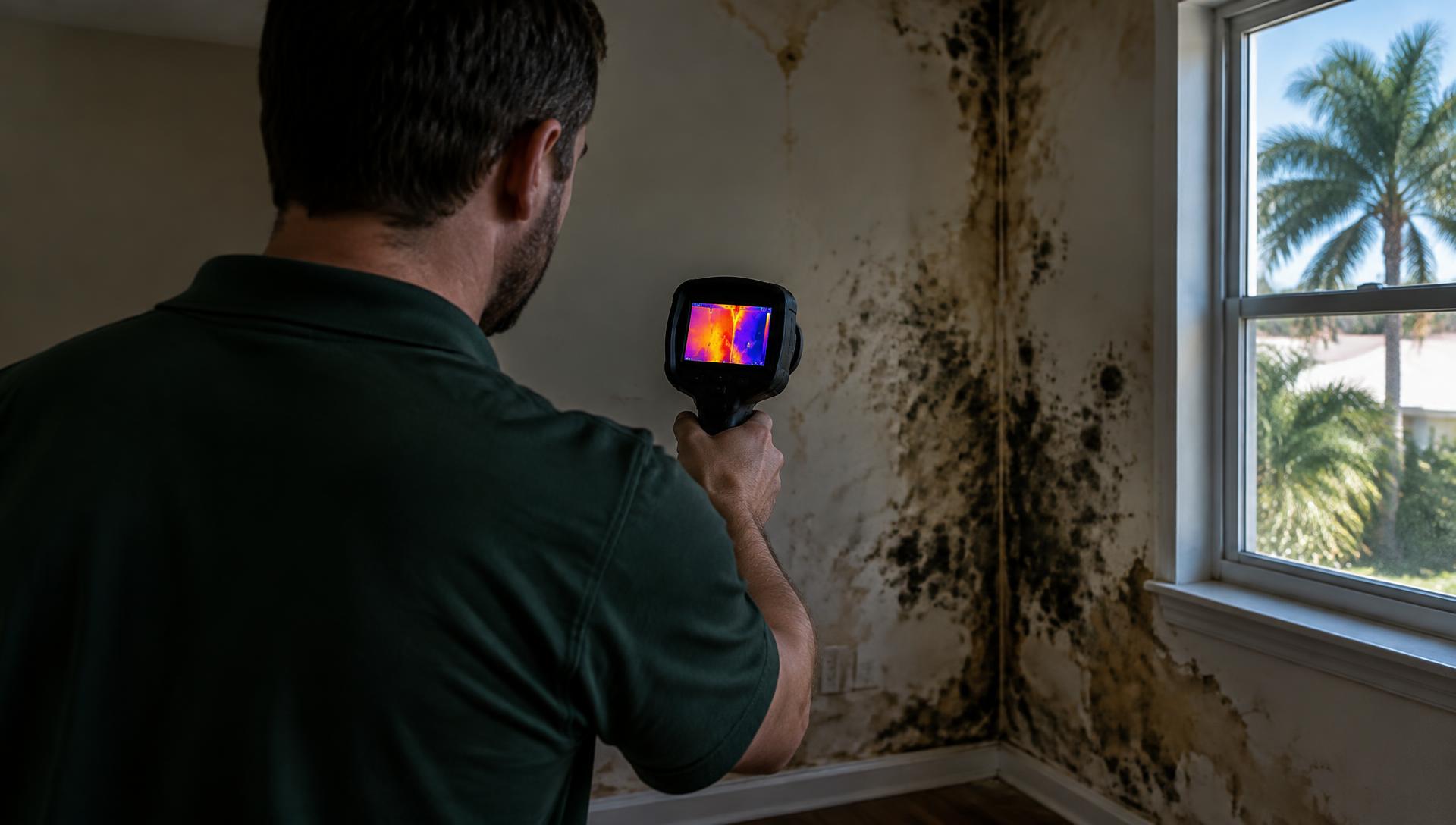
When firefighters extinguish a blaze or internal fire sprinkler systems activate, thousands of gallons of water can saturate building materials. In Florida's hot, humid climate, this trapped moisture leads directly to secondary damage: structural rot and toxic mold colonies that start growing within 24 to 48 hours. Fast response times with professional water damage restoration and industrial dehumidification are just as critical as fire cleanup. Once the structure is stabilized, performing certified mold testing ensures that lingering moisture did not compromise indoor air quality. If you have experienced fire or water damage, contacting a licensed restoration professional right away is the best way to safeguard your property.