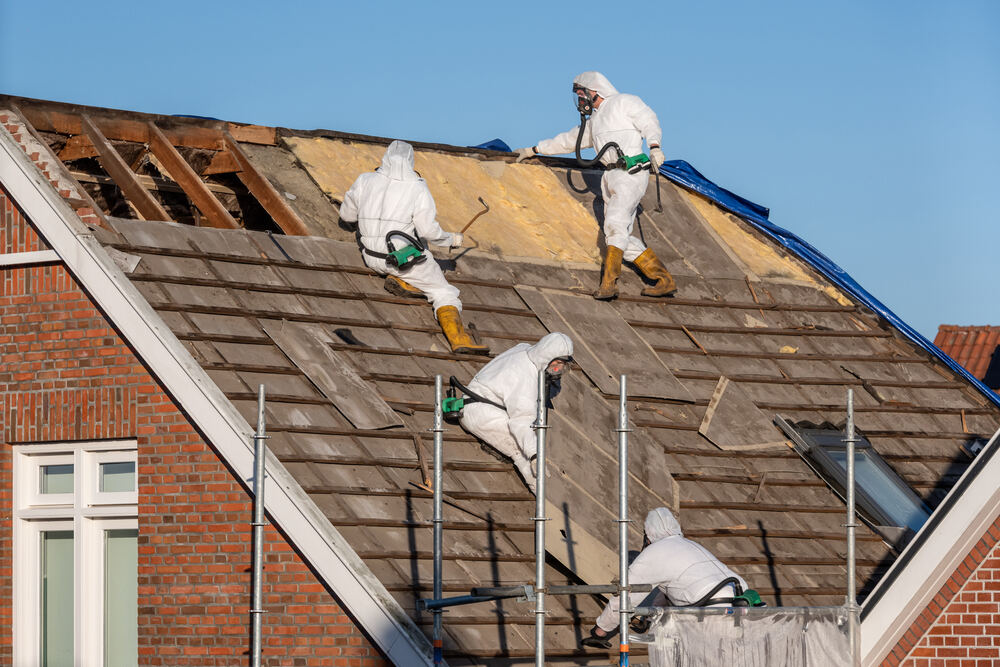
Asbestos exposure is a serious environmental concern that can lead to long-term health consequences when airborne fibers are inhaled. Asbestos is a naturally occurring mineral that was widely used in construction materials throughout the twentieth century for its fire-retardant and thermal insulation properties. In order to protect your household, it is helpful to recognize the early indicators of potential exposure and understand when building materials should be evaluated.
Understanding Asbestos Exposure
Asbestos fibers pose the greatest risk when materials become friable—meaning they can be crumbled, pulverized, or disturbed by hand pressure. Demolition, aggressive remodeling, or emergency tear-outs following storm damage can send microscopic mineral fibers into the indoor air, where they linger and can be inhaled.
While industrial and shipyard trades historically faced the highest exposure rates, residential risks remain prevalent. Throughout Central and South Florida, residential properties built prior to the late 1970s often contain legacy asbestos products embedded in ceilings, flooring, and utility insulation.
Potential Signs of Asbestos Exposure
Asbestos-related illnesses typically feature long latency periods, often taking 10 to 40 years after initial exposure for noticeable symptoms to arise. When symptoms do emerge, they can resemble common respiratory or seasonal conditions. Common physical signs that warrant a consultation with a medical professional include:
- Shortness of breath during normal daily activities
- A persistent, dry cough that does not clear
- Tightness or localized discomfort in the chest
- Chronic fatigue or reduced exercise stamina
- Wheezing or hoarseness
- Swelling or tenderness in the abdomen
- Unexplained weight loss
- Clubbing (widening and rounding) of the fingertips
If you experience lingering respiratory symptoms and have a history of working around or living in buildings with uncontained asbestos, consult a physician promptly to discuss your exposure history.
How to Check for Asbestos in Older Florida Properties
Because asbestos fibers cannot be identified by sight alone, careful environmental screening is necessary before undertaking structural renovations:
- Identify the Construction Era: If your home was constructed before 1981, assume that acoustic ceiling textures, vinyl composition tiles (VCT), thermal pipe wraps, or joint compounds could contain asbestos until verified otherwise.
- Schedule an Environmental Assessment: A comprehensive healthy home assessment helps identify potential indoor environmental hazards, including poor ventilation, moisture intrusion, and suspect building materials.
- Obtain Certified Lab Sampling: Prior to disturbing suspect walls, ceilings, or flooring, have small samples collected under controlled containment and analyzed by an accredited testing laboratory.
- Exercise Caution After Storms: When addressing floodwaters or roof leaks, integrate testing into your initial water damage restoration plan so demolition work does not cross-contaminate living areas.
Safe Practices for Managing Asbestos Risks
If laboratory testing confirms asbestos in your building, proper management prevents fiber migration:
- Leave Intact Materials Alone: Asbestos materials that are in good condition and completely undisturbed generally do not release fibers and pose minimal immediate hazard.
- Never Sand or Scrape: Avoid dry-scraping popcorn ceilings or running sanders over old linoleum or vinyl floor tiles.
- Use Licensed Abatement Professionals: If materials are damaged or must be removed for remodeling, hire state-licensed asbestos abatement contractors who utilize negative-pressure containment and HEPA filtration.
- Verify Air Quality: Consider post-project indoor air quality checks or professional mold testing whenever homes undergo major structural repairs, ensuring the space is clean and safe for occupancy.
Support for Safe, Healthy Indoor Environments
Maintaining clean indoor air requires vigilance, especially when updating older homes or recovering from significant moisture events. Ahold of Mold Environmental has delivered licensed indoor air quality evaluations and environmental inspection services since 1996 across our Florida service areas.
If you have questions about indoor environmental health or need assistance evaluating moisture, air quality, or historic building issues, contact Ahold of Mold Environmental today. Call our Central Florida team at (386) 492-1288 or our South Florida office at (954) 281-2666 to discuss your property.