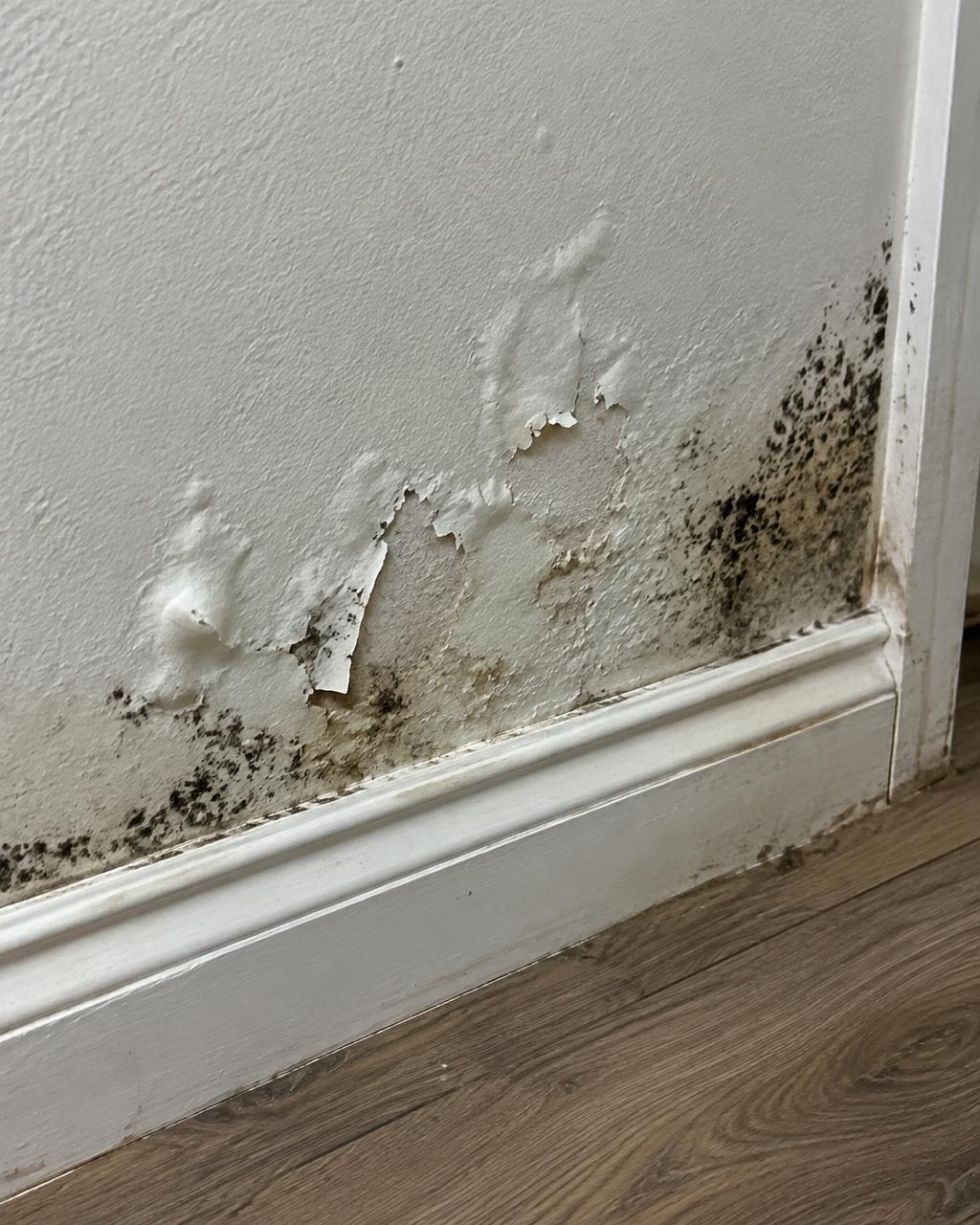
Indoor mold is a widespread concern across Florida, where elevated outdoor humidity and constant air conditioning frequently create indoor condensation. Knowing how mold exposure affects indoor air quality and personal comfort can help you determine whether your property requires a comprehensive professional inspection.
Potential Health and Respiratory Effects of Mold
Molds reproduce by releasing microscopic spores into the air. In closed indoor environments, these spores and associated mycotoxins can irritate the mucosal linings and respiratory systems of occupants. Common reactions include:
- Nasal congestion, sinus irritation, and post-nasal drip
- Persistent coughing, wheezing, or throat scratchiness
- Red, watery, or itchy eyes
- Skin irritation or unexplained hives
For individuals with preexisting respiratory conditions such as asthma or chronic allergies, mold exposure can significantly exacerbate breathing difficulties. Prolonged exposure to elevated spore counts indoors places additional stress on sensitive immune systems, making timely identification critical.
Why Florida Indoor Air Quality Is Particularly Vulnerable
Because properties in Central Florida and South Florida operate HVAC systems almost constantly, indoor airflow repeatedly cycles through ductwork. If condensation forms on air handler coils or duct surfaces, spore concentrations can increase throughout the home. Unchecked moisture from tropical storms, plumbing leaks, or elevated ambient humidity creates an ideal environment for rapid fungal amplification.
Steps to Take If You Suspect Mold in Your Property
If occupants consistently experience irritations that subside when leaving the building, take structured steps to evaluate your indoor environment:
- Schedule Independent Testing: Contact a Florida-licensed mold assessor for comprehensive mold testing. A licensed professional uses thermal imaging, moisture meters, and calibrated air sampling to locate active growth and measure ambient spore loads. You can also pair this with a broader healthy home assessment.
- Identify and Repair Moisture Sources: Mold cannot survive without moisture. Whether it stems from roof intrusion, poor bathroom ventilation, or AC drain pan overflows, the water source must be corrected immediately.
- Implement Containment and Remediation: If contamination exceeds ten square feet, Florida law (Chapter 468, Part XVI) mandates proper containment and remediation protocols by a licensed contractor. Qualified mold remediation removes compromised materials under negative air pressure to avoid cross-contaminating unaffected rooms.
Protecting your property and personal comfort starts with an objective evaluation. If you suspect hidden moisture or fungal growth in Volusia, Flagler, Brevard, or Broward County, contact Ahold of Mold Environmental for state-licensed assessment services.