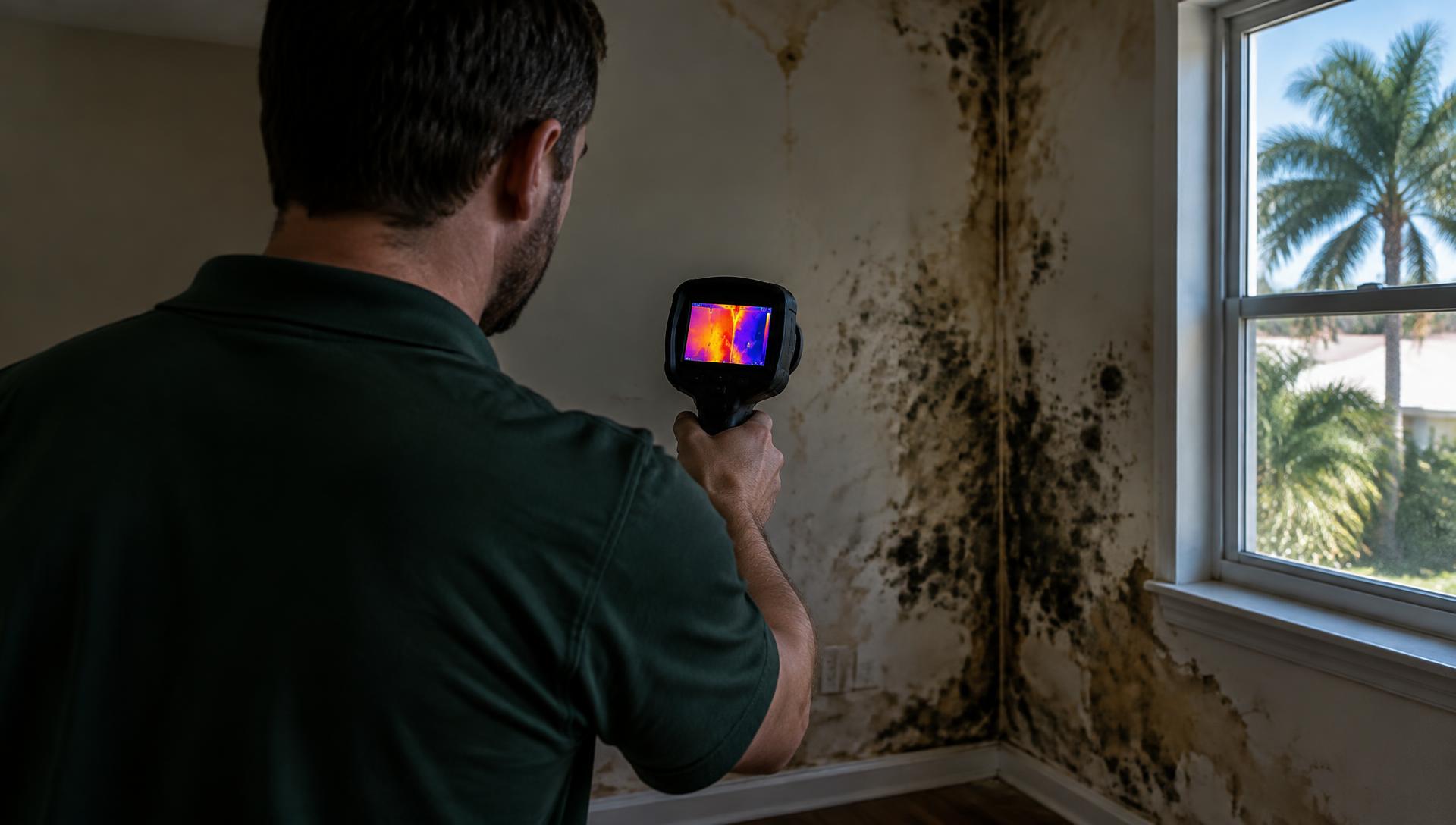
Water damage can be a sudden and disruptive crisis for a property owner. Whether caused by a severe hurricane season downpour, storm surge, or a sudden plumbing break, property owners must navigate two distinct phases of recovery: water damage mitigation and water damage restoration.
While people often use these terms interchangeably, they refer to different stages in bringing a property back to safe, livable condition. Here is an overview of how each phase works and why both are crucial in Florida's warm, humid climate.
Water Damage Mitigation
Water damage mitigation is the immediate emergency response designed to stop active water intrusion and prevent further property loss. It does not focus on rebuilding or cosmetic repairs; rather, it aims to stabilize the structure and protect your belongings from secondary damage.
Because mold spores can colonize wet porous surfaces in Florida homes within 24 to 48 hours, mitigation must begin without delay. Key steps in the mitigation process include:
- Source identification and water extraction: Stopping the water source and using commercial extraction equipment to remove standing water from floors and carpets.
- Removing unsalvageable porous materials: Saturated drywall, insulation, and carpet padding often harbor contaminants and hold moisture deep within structural cavities. Removing these items halts moisture migration.
- Structural drying and dehumidification: Deploying industrial air movers and commercial desiccant or LGR dehumidifiers to pull moisture from wood framing, concrete slabs, and ambient air.
- Cleaning and antimicrobial application: Disinfecting salvageable surfaces to prevent microbial amplification while drying takes place.
- Emergency tarping and board-up: If damage was caused by high winds or roof penetrations, temporary tarps protect the interior from further rainfall while professional remediation proceeds.
Effective water damage restoration cannot succeed without thorough, verified structural drying during the mitigation phase.
Water Damage Restoration
Once moisture meters and thermal imaging confirm that all structural framing and subfloors have reached their dry standard, the water restoration phase begins. The goal of restoration is to repair and rebuild the home back to its pre-loss state.
Restoration involves construction and finish work, which may include:
- Drywall and insulation replacement: Hanging fresh drywall, taping, mudding, and matching texture on walls and ceilings where wet materials were removed.
- Flooring installation: Installing new tile, hardwood, or laminate over concrete slabs that have been fully dried and tested for moisture emissions.
- Cabinetry and trim carpentry: Rebuilding baseboards, door casings, and kitchen or vanity cabinets affected by water exposure.
- Mold assessment and containment: If dampness went unnoticed for several days before drying began, an independent licensed assessor may perform mold testing to verify whether targeted mold remediation under Florida Chapter 468 Part XVI guidelines is required before structural cavities are sealed.
Coordinating Mitigation and Rebuilding
Rushing to install new drywall or flooring before framing reaches acceptable moisture levels traps residual dampness inside walls—leading directly to hidden microbial growth, musty odors, and failed construction work. Always confirm that drying goals have been met through documented moisture readings before allowing restoration contractors to close up your walls.
If your home in Central Florida or South Florida has suffered storm intrusion or a plumbing leak, act quickly to stabilize the structure. Contact Ahold of Mold Environmental for professional moisture inspection and remediation services backed by decades of local experience.