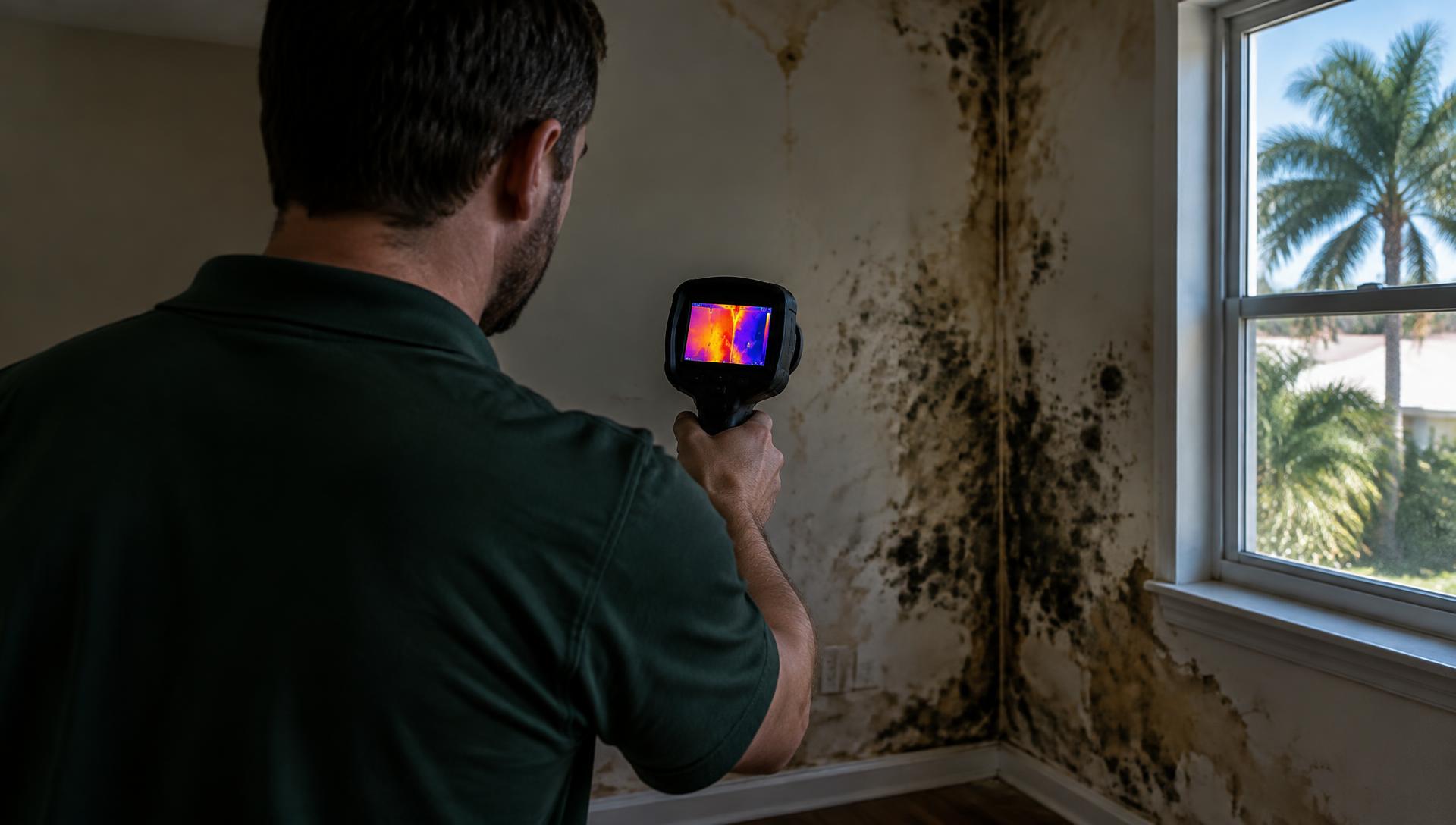
Water damage describes a broad range of property loss caused by unwanted moisture intruding where it can attack materials and structural systems. In Florida, unchecked water intrusion initiates destructive processes such as wood rot, structural swelling, fastener corrosion, drywall softening, and rapid microbial amplification. Whether moisture intrudes slowly through an undiscovered condensation leak behind a wall cavity or instantaneously through roof failures during hurricane season, water damage remains a leading threat to residential and commercial structures.
Insurance coverage for water-related events varies widely across Florida policies. Sudden and accidental plumbing discharge—such as a ruptured supply line or failed water heater—is frequently covered under standard homeowner policies, though many carriers enforce a standard $10,000 sublimit for secondary mold damage. External storm surge or rising surface water typically requires a separate policy through the National Flood Insurance Program (NFIP) or a private flood underwriter.
Common sources of residential water intrusion include failed appliance lines, air conditioning condensate line clogs, window seal failures, roof leaks, plumbing backups, and heavy tropical rain events. When water is introduced to porous building materials, understanding its contamination level is the first step toward effective water damage restoration.
Water Damage Categories
The restoration industry establishes protocols based on three primary categories of water contamination:
- Category 1 (Clean Water): Originates from a sanitary source that does not pose an immediate biological threat. Examples include broken supply pipes, overflowing sinks without contaminants, and clean rainwater penetrating an intact opening.
- Category 2 (Grey Water): Contains significant biological, chemical, or physical contamination and has the potential to cause discomfort or illness upon contact. Common examples include air conditioning overflow lines, washing machine or dishwasher discharge, and toilet overflows containing urine without solid waste.
- Category 3 (Black Water): Grossly unsanitary water carrying pathogenic agents, bacteria, fungi, and toxic residues. Sources include municipal sewer backups, sea water intrusion from coastal storm surges, and ground surface runoff. Furthermore, stagnant Category 1 or Category 2 water left standing in warm indoor environments can rapidly degrade into Category 3.
Classes of Water Intrusion
The class of water damage describes the expected rate of evaporation and guides the selection and volume of industrial dehumidifiers and air movers required to dry the structure:
- Class 1: Slowest evaporation rate. Moisture affects only a small, localized area with low-porosity materials, absorbing minimal liquid.
- Class 2: Fast evaporation rate. Moisture impacts an entire room or floor, soaking carpets and wicking up drywall up to 24 inches.
- Class 3: Fastest evaporation rate. Water frequently originates from overhead sources such as roof punctures or upper-floor plumbing leaks, saturating ceilings, insulation, wall cavities, subflooring, and furnishings.
- Class 4: Specialty drying situations. Moisture has saturated low-porosity or deeply encapsulated materials such as concrete slabs, hardwood flooring, crawlspaces, or structural framing, requiring specialized desiccant drying and low specific humidity.
Secondary Mold Damage and Containment
In South and Central Florida, the primary risk following water intrusion is secondary mold colonization. When saturated drywall, tack strips, baseboards, or ceiling tiles remain moist beyond 48 hours, active fungal growth can quickly spread into adjacent living spaces. Mold can damage structural components, mar surface finishes, and degrade indoor air quality, frequently causing persistent musty odors and upper respiratory irritation for occupants sensitive to airborne allergens.
If visible colonization occurs or you suspect moisture has traveled behind wall cavities, obtaining an independent evaluation through professional mold testing ensures the full scope of hidden contamination is mapped with thermal imaging and moisture meters. Once the exact moisture perimeter is defined, licensed mold remediation protocols ensure proper negative air containment, HEPA air filtration, and antimicrobials are deployed safely.
In Florida, mold remediation is strictly regulated under Chapter 468 Part XVI of the Florida Statutes. Licensed remediators must adhere to recognized industry standards, such as the IICRC S500 and S520, to ensure your property is completely decontaminated and structurally dried down to baseline levels.
Whether you manage a residential property or commercial facility in Volusia, Flagler, Brevard, or Broward County, addressing water damage immediately is the most reliable way to prevent expensive structural repairs. Contact our licensed team for dependable inspection and restoration guidance across Central and South Florida.