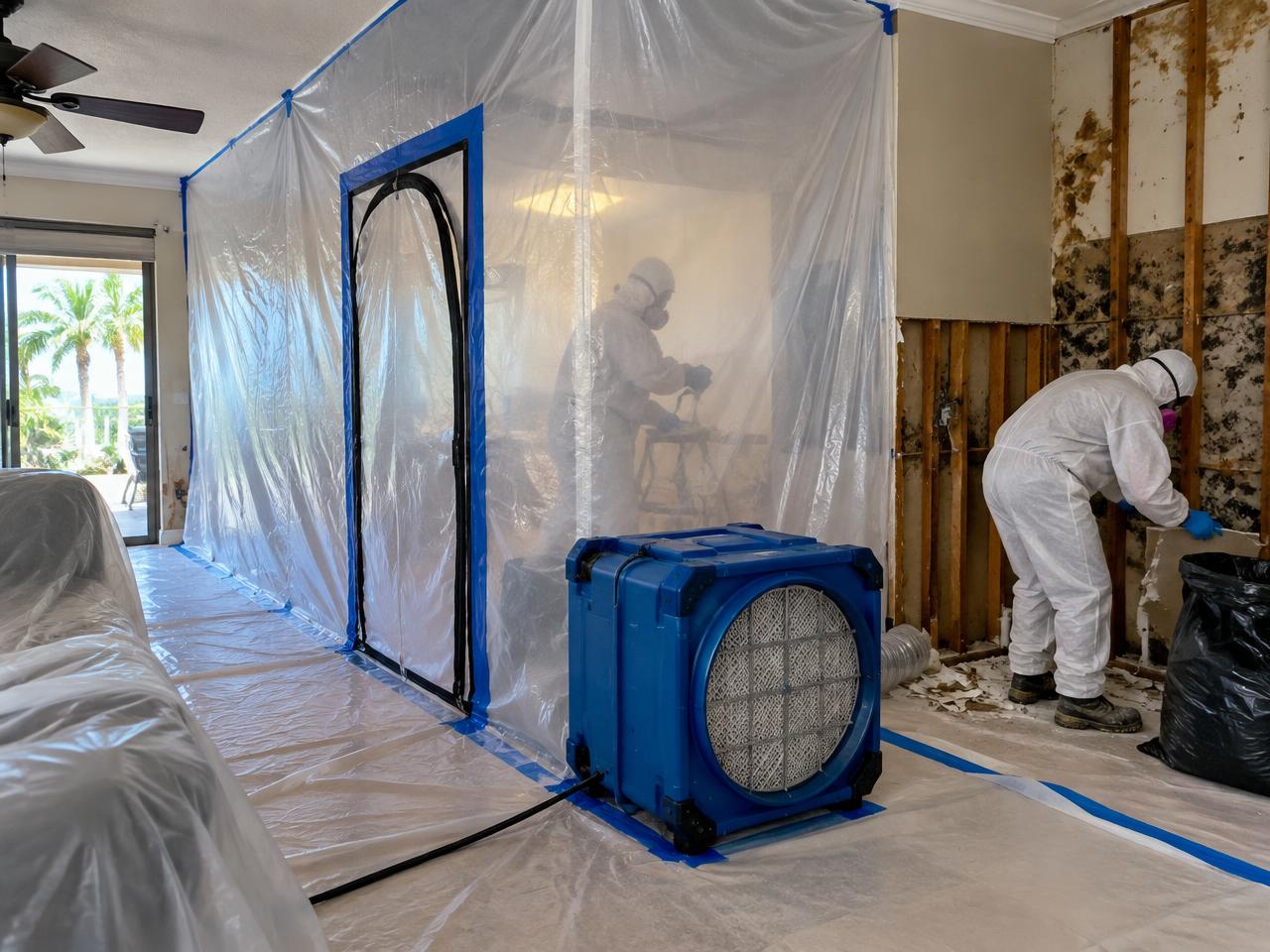
When you discover unexpected fungal growth indoors, it is natural to be concerned. Mold can damage structural materials and furnishings while negatively impacting indoor air quality if left unaddressed. Because mold spores are omnipresent in nature and require only organic matter and moisture to thrive, indoor environments must be carefully maintained.
Florida's climate presents a year-round challenge. Between lengthy rainy seasons, tropical weather events, and near-constant air conditioning usage, elevated indoor humidity is common. If moisture accumulates indoors, several fungal varieties can establish colonies on drywall, baseboards, and subfloors. Professional mold testing can verify whether airborne spore concentrations are elevated. Here are some of the common types of mold encountered in Florida properties.
Stachybotrys
Commonly referred to as black mold, Stachybotrys chartarum has a dark green or black appearance and often feels slimy when actively growing with high moisture levels. It tends to emit a noticeable, musty odor and feeds on cellulose-rich building materials such as drywall, ceiling tiles, and paper backings. Because it requires continuous moisture or persistent water flow to colonize, it frequently appears near leaking air conditioning handlers, condensation pans, or persistent plumbing leaks. Elevated spore levels can irritate respiratory passages, exacerbate asthma, and trigger allergic responses.
Ulocladium
Ulocladium typically presents as black, brown, or gray growth with a suede-like texture. It flourishes in areas with severe water intrusion or frequent condensation, such as humid bathrooms, laundry utility rooms, and exterior wall cavities. Because it requires significant water to thrive, it often coexists with other moisture-loving fungi. It can colonize wallpaper paste, painted drywall, and framing lumber. Addressing it requires locating the moisture intrusion source and executing targeted mold remediation under proper containment.
Chaetomium
Chaetomium initially emerges with a white, cottony texture before maturing into a gray, brown, or olive-green colony. It produces a distinctive earthy or damp odor and frequently develops on structural wood, subflooring, and sheetrock that have endured sustained water intrusion from roof leaks or pipe breaks. When properties undergo water damage restoration, testing often reveals Chaetomium if building assemblies remained wet for extended periods before drying.
Alternaria
Alternaria is one of the most widespread environmental molds across the Southeast. It features dark green, brown, or black velvety patches. Indoors, it readily settles in damp locations such as tile grout around showers, sink cabinets, and window sills subject to heavy condensation. Its airborne spores are recognized allergens that can provoke sneezing, coughing, and upper respiratory irritation in sensitive occupants.
Work With Florida Licensed Mold Specialists
If you suspect microbial growth in your home or notice lingering damp odors, consult licensed professionals rather than attempting uncontrolled cleanup with bleach, which can spread spores across living areas. A state-licensed mold assessor will inspect building assemblies, track hidden moisture pockets, and outline an objective remediation protocol when needed. Serving property owners throughout South Florida and Central Florida, our team provides trusted, independent assessment and remediation services throughout our service areas.