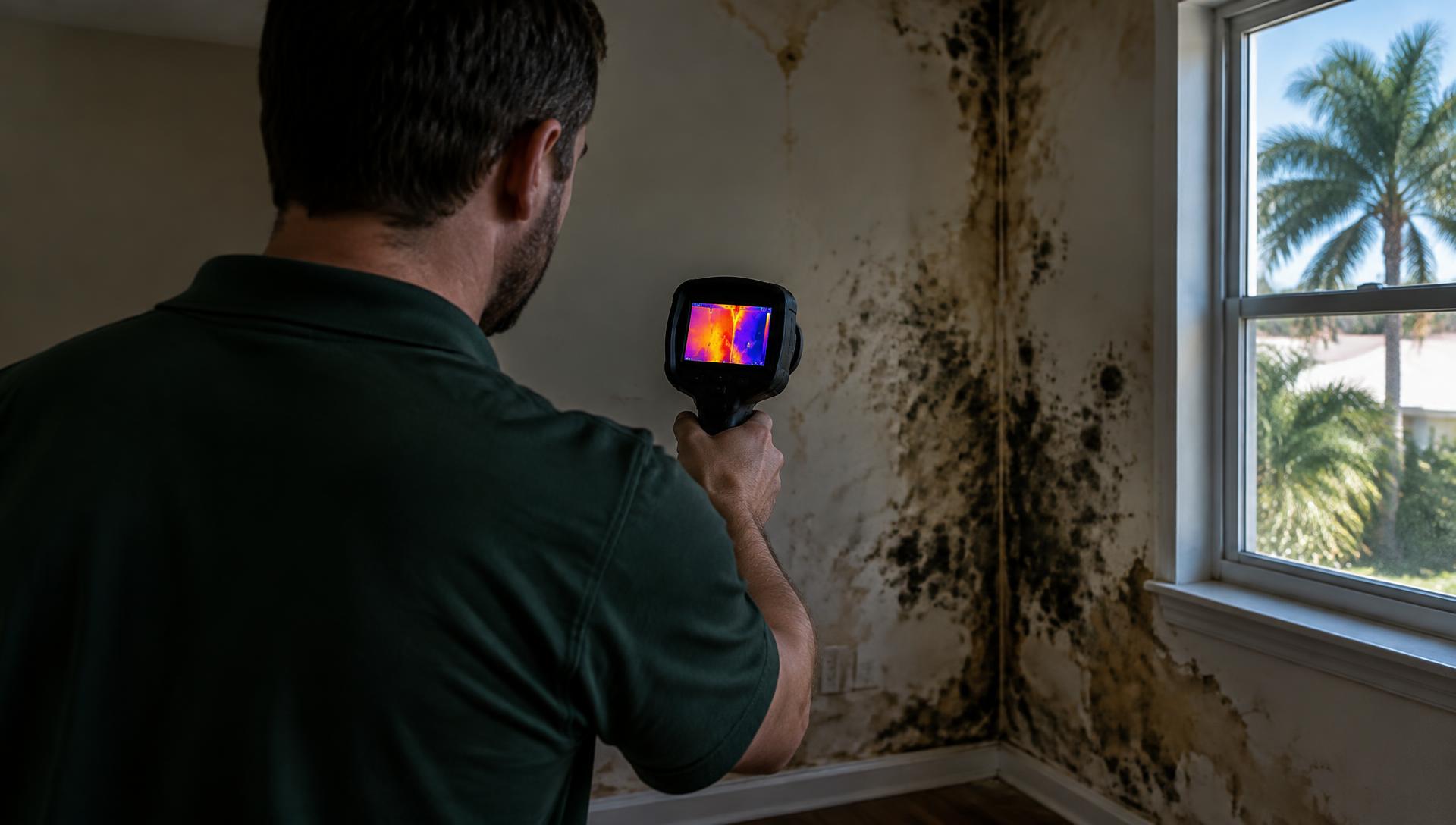
In the late 1990s and early 2000s, nationwide attention turned sharply toward indoor environmental quality when high-profile property damage cases brought fungi like Stachybotrys chartarum into the public spotlight. The most famous case involved Melinda Ballard in Dripping Springs, Texas, who fled her expansive home after an unresolved plumbing leak allowed black mold colonies to spread unchecked behind drywall and under hardwood flooring.
What began as an unaddressed subfloor leak escalated into widespread structural contamination. The ensuing litigation reshaped how property insurers, legal teams, and restoration contractors approach microbial growth resulting from water losses. In subtropical climates like Central and South Florida, where ambient heat and humidity persist year-round, the lessons from these early cases remain vital for modern property maintenance.
How Water Damage Fuels Microbial Amplification
Mold spores exist naturally in ambient outdoor air. Indoors, contamination issues arise when dormant spores encounter continuous water intrusion combined with cellulose-based building materials, such as paper-faced drywall, carpet backing, and structural lumber. Common catalysts include unattended pinhole plumbing leaks, air conditioning condensation pans overflowing, and exterior envelope breaches following storm activity.
When moisture remains trapped within wall cavities, species such as Aspergillus, Penicillium, and Stachybotrys chartarum can colonize building substrates within 24 to 48 hours. Proper water damage restoration applied immediately after a leak is the single most effective way to halt mold growth before extensive remediation is necessary.
The Evolution of Mold Regulation and Florida Licensing
During the initial wave of nationwide mold litigation, few states regulated contractors evaluating or cleaning fungal contamination. In response to consumer protection concerns and unqualified contractors entering the field, states began enacting strict professional oversight.
In Florida, mold assessment and mold remediation are formally governed by Florida Chapter 468 Part XVI. The law establishes rigorous certification, examination, and insurance standards for mold professionals. Crucially, Florida law prohibits the same company from performing both the initial mold assessment and the subsequent remediation on the same project, eliminating conflicts of interest and ensuring transparent consumer protection.
Professional Remediation Standards
Modern remediation protocols follow industry standards such as the IICRC S520 rather than haphazard removal techniques. When significant black mold is identified through professional mold testing, certified specialists establish critical engineering controls, including:
- Negative Air Containment: Polyethylene sheeting barriers and HEPA-filtered air scrubbers prevent mold spores and particulate from cross-contaminating unaffected living areas.
- Source Removal: Porous materials colonized by mold, such as contaminated drywall or insulation, are carefully bagged, sealed, and disposed of.
- HEPA Vacuuming and Antimicrobial Cleaning: Remaining structural framing is cleaned, vacuumed with true HEPA filtration, and treated with approved antimicrobials.
- Post-Remediation Clearance: An independent licensed mold assessor inspects the work area and collects air or surface samples to confirm the property has returned to normal fungal ecology before reconstruction begins.
Insurance Considerations for Property Owners
The landmark Texas cases of the early 2000s fundamentally altered property insurance policies nationwide. Today, standard homeowner insurance policies across Florida routinely address microbial growth through strict exclusions or limited endorsements, with many carriers imposing a $10,000 mold sublimit for covered perils.
Promptly detecting moisture intrusion, documenting the water source, and hiring licensed mold remediation professionals protects both structural integrity and property value. If you notice persistent musty odors, visible staining, or unresolved water intrusion in your home or commercial building, consult licensed environmental professionals immediately.