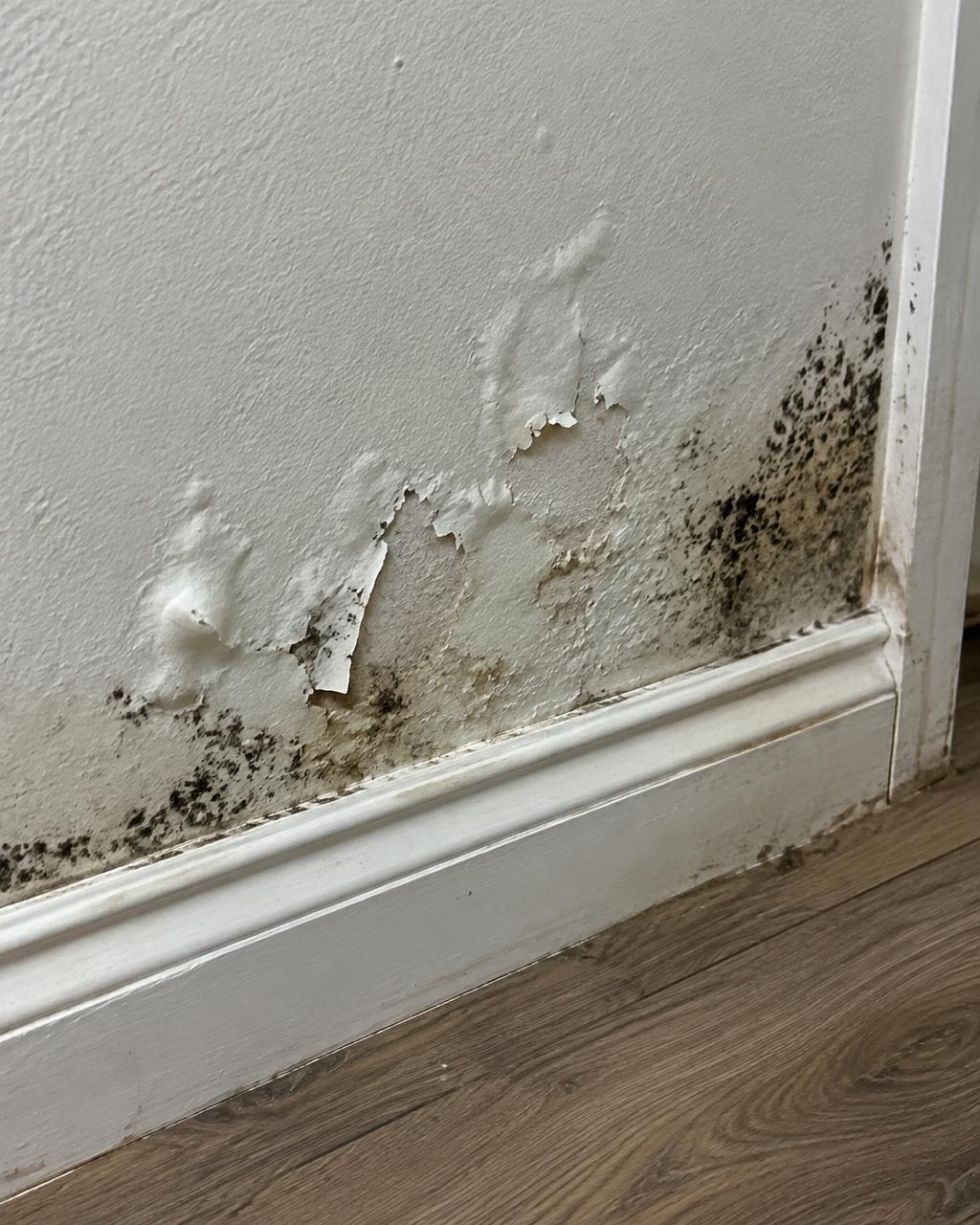
Mold spores exist naturally throughout the indoor and outdoor environment. Outdoors, fungi perform an essential role in breaking down organic matter. Indoors, however, excess moisture allows spores to settle on porous materials like drywall, baseboards, and subflooring, which can degrade building materials and compromise indoor air quality.
Due to Florida's high humidity and intense rainy season, addressing water intrusion and ambient dampness promptly is critical. Before moisture problems escalate into extensive damage, follow these key tips to help prevent mold from developing in your home:
- Observe and address moisture early:
The foundation of mold prevention is routine moisture control. Inspect common problem areas, including window frames, sliding glass doors, roof valleys, attic spaces, and air handler closets. Look for telltale signs of trouble such as condensation on glass, water stains along drywall, or dampness around plumbing fixtures. Repairing leaking plumbing lines or damaged roof shingles right away prevents hidden moisture reservoirs from fostering spore growth. - Improve indoor ventilation:
Everyday household activities introduce substantial moisture into the air. Always run bathroom exhaust fans during showers and leave them running for 15 to 20 minutes afterward to vent humid air outside. Ensure clothes dryers vent directly outdoors and utilize kitchen range hoods while cooking. In utility rooms, storage closets, or garages, ensure adequate airflow and consider standalone dehumidifiers if spaces remain persistently damp. - Dry standing water and leaks immediately:
Whether dealing with an air conditioning condensate overflow, an appliance line leak, or wind-driven rain entering through a doorway during a storm, standing water must be dried quickly. Mold can establish colonies within 24 to 48 hours under warm Florida conditions. Extract standing water immediately and thoroughly dry structural materials using high-velocity air movers and commercial dehumidification. If porous items like carpet padding or insulation remain saturated, they generally require professional removal. - Control indoor relative humidity:
According to the U.S. Environmental Protection Agency, indoor humidity should remain between 30 and 50 percent, and should never exceed 60 percent. In Florida's coastal and subtropical climates, relying strictly on standard AC cooling cycles may not always adequately manage moisture during cooler, rainy periods. Use a digital hygrometer to track indoor relative humidity, ensure your air conditioning unit is properly sized (oversized units cool too quickly without dehumidifying), and replace HVAC filters regularly.
While these preventive steps protect against day-to-day moisture, severe storms, hidden plumbing failures, and lingering dampness often call for professional intervention. When structural materials become saturated, prompt water damage restoration helps stop damage before extensive contamination occurs.
If you suspect hidden fungal growth, smell persistent musty odors, or need independent mold testing, Ahold of Mold Environmental provides thorough evaluations across Central Florida and South Florida. As a family-owned company operating since 1996 with state-licensed assessors (MRSA3074) and remediators (MRSR4581), our team delivers clear, actionable answers. Reach out to our team in Volusia and Flagler at (386) 492-1288, in Broward County at (954) 281-2666, or through our contact page to speak with an experienced specialist.