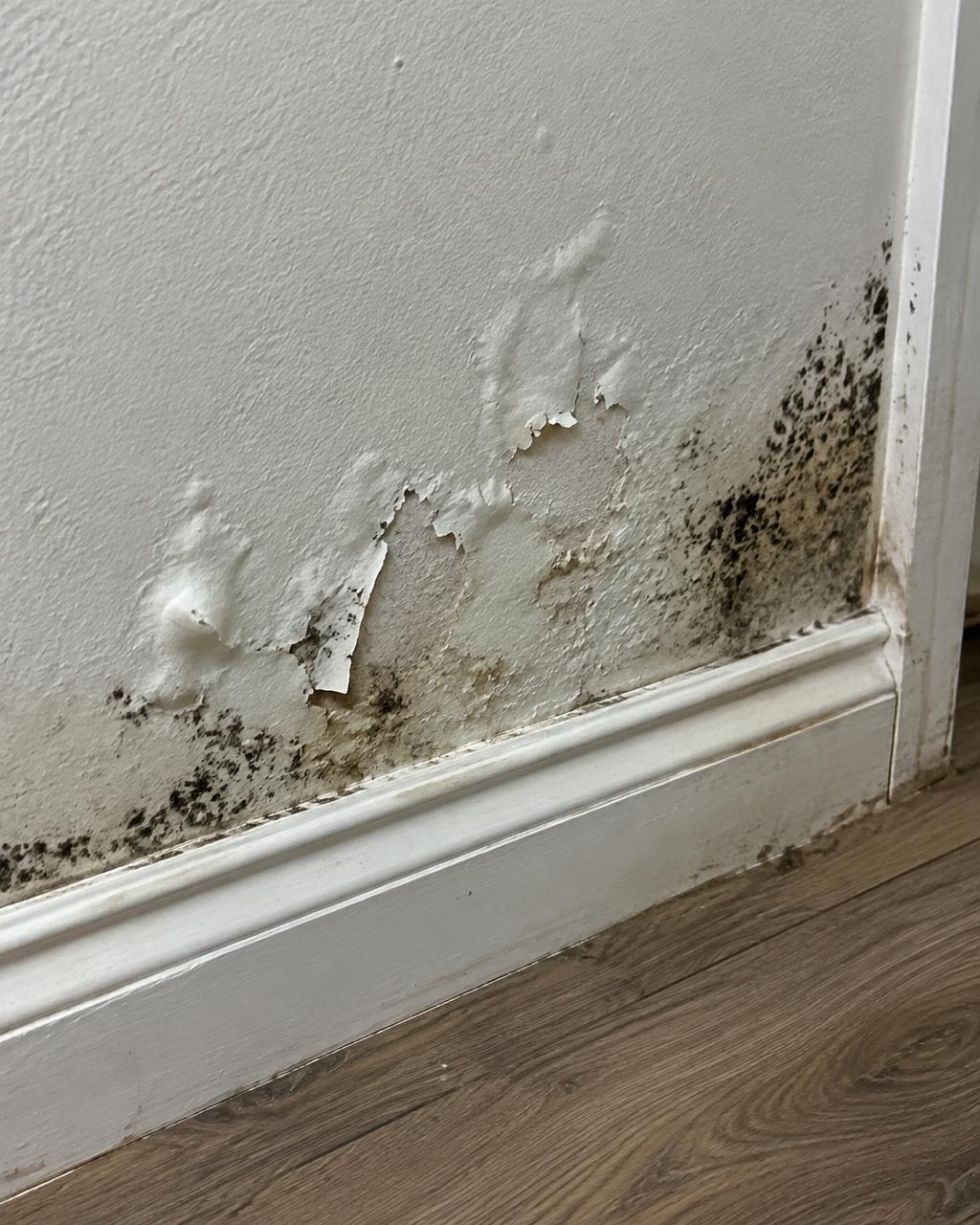
When your home experiences water intrusion—whether from a sudden plumbing burst, an air conditioner condensate overflow, or wind-driven rain from a coastal tropical storm—the resulting moisture can rapidly compromise your living space. In Florida's subtropical climate, wet drywall and baseboards provide ideal breeding grounds for mold within 24 to 48 hours. Taking deliberate, immediate action minimizes structural deterioration and keeps remediation costs manageable.
Here is an essential overview of the steps homeowners should follow to mitigate water damage across Central and South Florida properties:
- Professional Moisture Inspection: Your first step should always be an immediate diagnostic assessment. A professional evaluation utilizes non-invasive moisture meters and infrared thermal imaging to identify water pathways hidden behind cabinets, under tile, and inside wall cavities. Determining the full boundary of moisture intrusion is vital before initiating repairs or applying for insurance claims.
- Targeted Dehumidification & Structural Drying: Simply opening windows in Florida only introduces more humid outdoor air. Effective moisture control requires commercial-grade low-grain refrigerant (LGR) dehumidifiers and high-velocity air movers to pull bound moisture from building assemblies and lower indoor relative humidity below 50 percent, halting fungal proliferation.
- Licensed Mold Remediation: If moisture lingered long enough for microbial growth to begin, proper containment and negative air pressure must be established. Under Florida Chapter 468 regulations, professional mold remediation ensures colonies are safely extracted under strict containment using HEPA filtration rather than merely masking the surface with household bleach.
- Source Elimination & Water Damage Repair: Remediation is only temporary if the mechanical or structural root cause remains unaddressed. After professional water damage restoration extracts standing water, clear clogged AC drain pans, repair roof flashing, or fix plumbing fixtures to protect your property against repeat events.
- Antimicrobial Cleaning and Clearance: Once affected drywall and insulation are removed or thoroughly dried, technicians apply EPA-registered antimicrobials to structural framing. A post-remediation verification or mold testing clearance inspection confirms airborne spore levels have normalized to outdoor background conditions.
Whether you are dealing with storm runoff or a hidden supply line leak, prompt action makes all the difference. For expert moisture mapping, drying, and licensed environmental restoration, contact Ahold of Mold Environmental to safeguard your property.