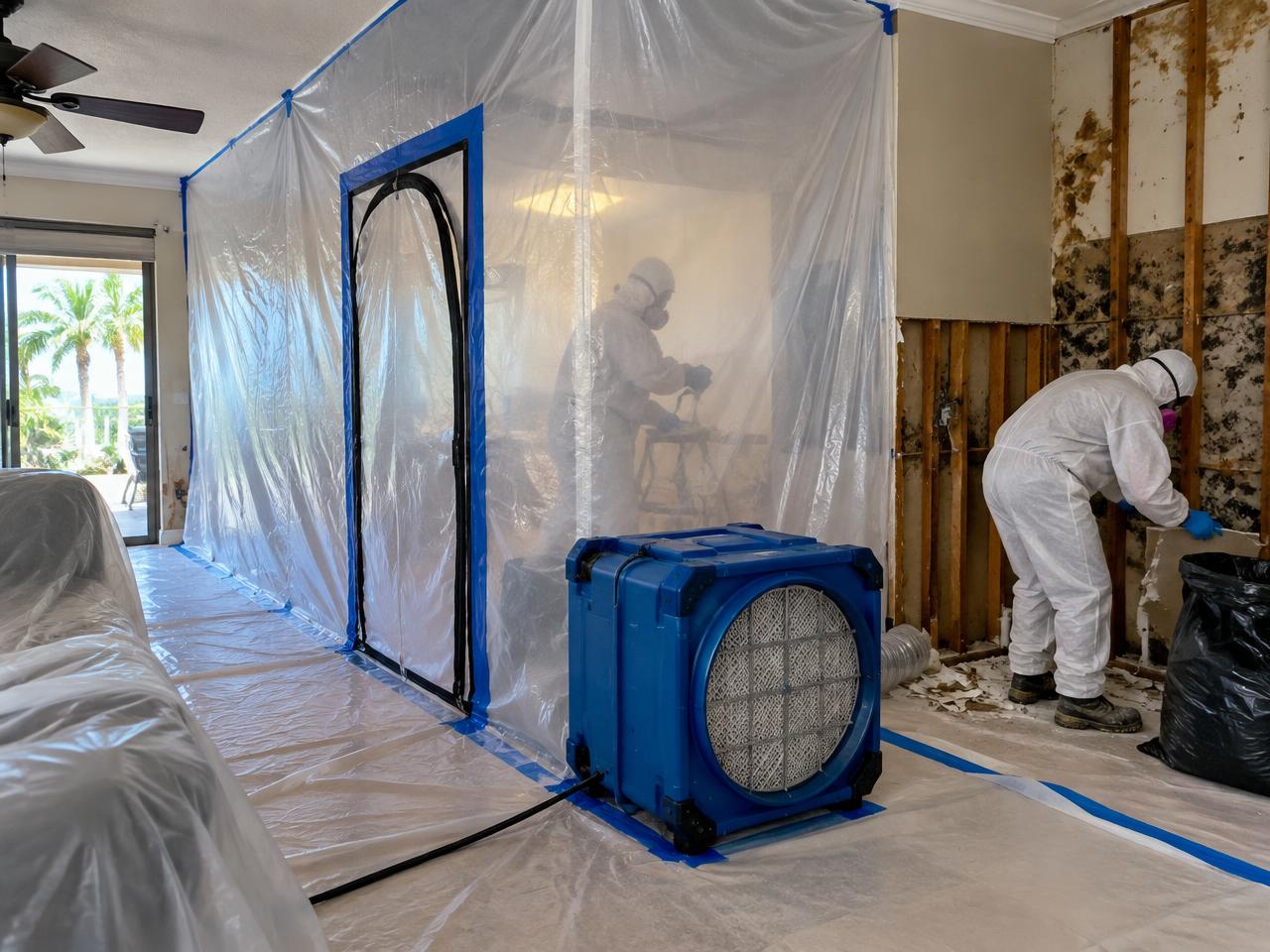
For decades, asbestos was prized in the construction industry for its tensile strength, insulating properties, and exceptional fire resistance. Throughout the 20th century, thousands of commercial structures, mid-century ranch homes, and coastal condominiums across Central and South Florida were built using materials manufactured with these mineral fibers.
Health and environmental researchers later established that breathing airborne asbestos fibers poses severe long-term respiratory risks. When asbestos-containing materials remain intact and undisturbed, they generally present minimal risk. However, when these materials age, deteriorate, or undergo demolition during home renovations or water damage restoration, microscopic fibers can be released into your indoor air.
While federal regulations restricted the manufacturing of many asbestos products beginning in the late 1970s, inventories were legally permitted to be exhausted, meaning homes built throughout the early 1980s may still contain asbestos components. Here are the most common signs and materials to look for in older residential properties:
- The age of the home:
Asbestos usage peaked between the 1950s and the late 1970s. If your home was constructed before 1985, there is a reasonable likelihood that building components like insulation, flooring, adhesives, or texturing contain asbestos. - Acoustic and popcorn ceilings:
Textured "popcorn" ceilings and acoustic plaster applied throughout the 1960s and 1970s frequently contained asbestos fibers for sound dampening and fireproofing. If these ceilings become waterlogged from roof leaks or begin flaking around light fixtures and air conditioning registers, they require professional evaluation. - Nine-inch vinyl floor tiles:
Square vinyl flooring tiles measuring nine inches by nine inches (9x9) are a classic hallmark of asbestos-containing flooring. The black asphalt-based mastic adhesive used to secure both 9x9 and older 12x12 vinyl tiles often contains high concentrations of asbestos as well. - Pipe and duct insulation:
In older utility closets or crawlspaces, plumbing pipes and HVAC boots were often wrapped with thick gray or white corrugated paper, thermal blankets, or fibrous sealant tape containing asbestos to minimize heat transfer and reduce condensation. - Exterior siding and roofing felts:
Transite (asbestos-cement) siding panels and older bitumen-based flat roofing materials were widely used across Florida for their resistance to coastal rot and moisture. When weathered or cracked, these cementitious materials can become friable.
If you are planning a remodel or addressing structural moisture issues, never cut, sand, scrape, or tear out suspect materials without first identifying their composition. A comprehensive healthy home assessment helps verify indoor environmental conditions and identifies potential hazards before physical work begins. If your property is also dealing with moisture intrusion or requires mold remediation, contact our team to discuss proper environmental protocols for older Florida homes.