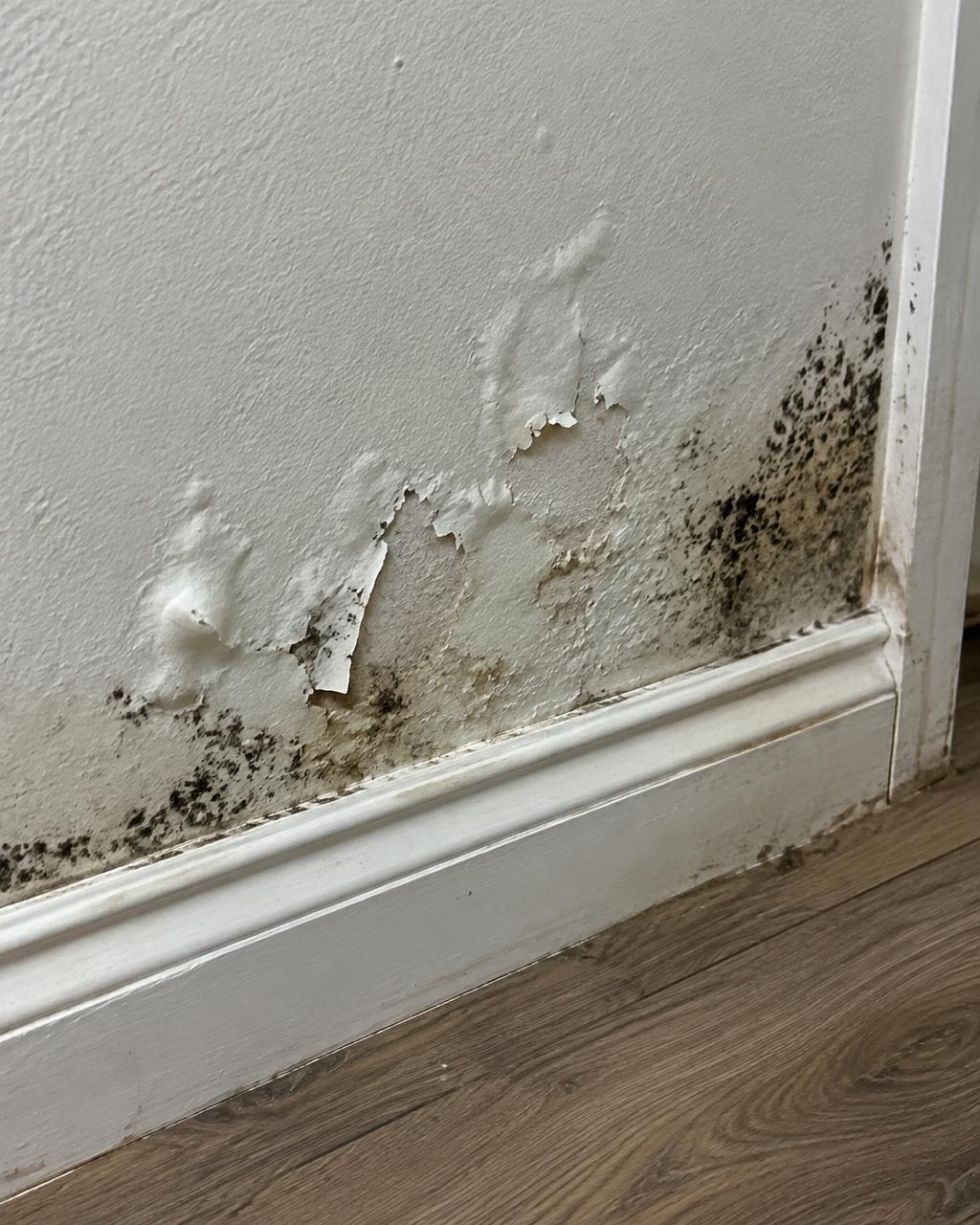
Air is invisible, but it directly influences comfort, wellness, and peace of mind inside your home. In Florida's humid subtropical climate, closed-up homes and constantly running air conditioning systems create conditions where airborne contaminants can accumulate rapidly.
If you suspect your indoor environment is not as fresh or clean as it should be, scheduling a comprehensive healthy home assessment or professional air quality check can help pinpoint the problem. Here are five clear signs that you should consider having your home's air quality evaluated:
- Persistent Allergy-Like Symptoms Indoors: Do you or your family members experience frequent sneezing, itchy eyes, coughing, or congestion that improves when you leave the house? Elevated indoor particulates, pet dander, dust mites, or airborne mold spores trapped in recirculated air are often behind these chronic indoor flare-ups.
- Lingering Musty Odors: A stale, damp, or earthy smell that never completely clears—especially near AC returns, baseboards, or closets—is a hallmark indicator of hidden moisture. In Central and South Florida homes, mold often develops out of sight behind drywall, beneath flooring, or inside air handlers. Professional mold testing can detect elevated spore levels even when visible growth is not obvious.
- Respiratory Irritation and Stuffy Air: If indoor air consistently feels heavy, stale, or irritating to your throat and airways, poor ventilation or chemical off-gassing could be the cause. High indoor relative humidity (above 60%) prevents moisture from evaporating properly, creating a hospitable environment for microbial activity and dust mites.
- Recent Renovations or Water Intrusion: Have you recently repainted, installed new vinyl or carpet, or experienced water intrusion from a plumbing leak or tropical storm? Building materials and finishes can release volatile organic compounds (VOCs), while undetected dampness after water damage can spur mold growth in as little as 24 to 48 hours. If moisture occurred, professional water damage restoration and drying verification are critical.
- Uneven Temperatures, Dust Buildup, and Leaky Ducts: Clogged, torn, or unsealed ductwork in Florida attics pulls in superheated, humid, unfiltered attic air and distributes it throughout the home. If you notice dust accumulating quickly on vent grates or struggle with muggy indoor rooms, your HVAC distribution system may be pulling contaminants directly into your living spaces.
Living with compromised indoor air is not something you have to accept. Ahold of Mold Environmental has provided licensed, family-owned environmental inspections across Central Florida and South Florida since 1996. Our licensed assessors (FL License MRSA3074 / MRSR4581) can identify the source of contamination and outline practical steps for improvement.
If you are concerned about your indoor air, contact our team today to schedule an evaluation.