The idea of having your air ducts cleaned makes practical sense. Dust naturally settles across any flat surface, including the concealed interior surfaces of your home's ductwork. With air conditioning systems running almost continuously across Central and South Florida, you might wonder if having ducts cleared on a routine schedule is an absolute necessity or an unnecessary expense.
General consensus among indoor environmental professionals is that routine duct cleaning is not required simply for everyday dust, which standard filtration systems handle well. However, specific conditions common to Florida properties make targeted duct inspection and cleaning critical.
When Air Duct Cleaning Becomes Necessary
Standard household dust alone rarely warrants an expensive duct cleaning service. Standard air filters capture the majority of airborne particulates when replaced regularly. However, you should strongly consider professional cleaning under specific circumstances:
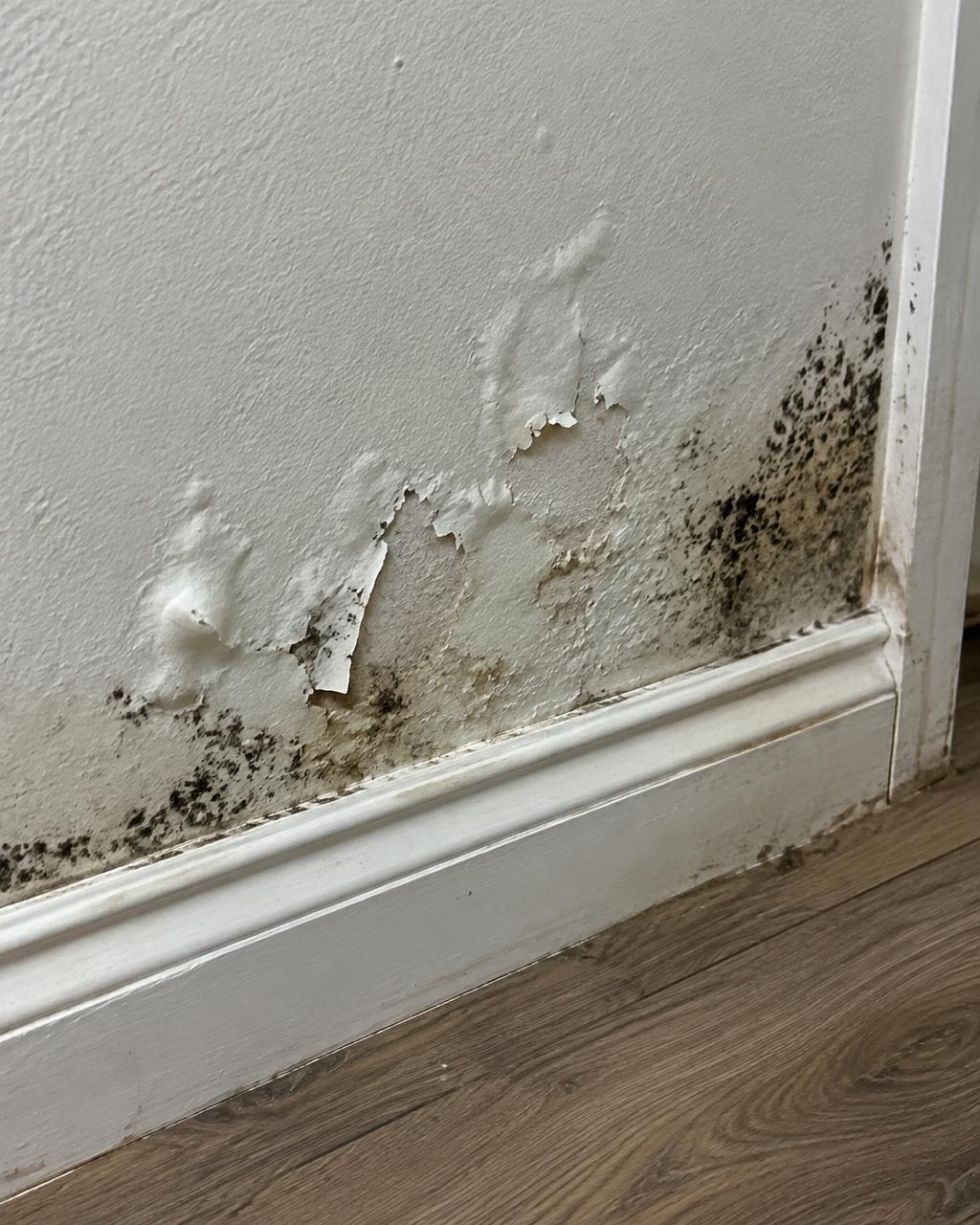
- Visible mold growth: If you observe black or greenish growth around supply registers, inside vent boots, or on the air handler insulation, prompt action is needed. In Florida's subtropical climate, condensation frequently forms on cold metal or flex duct surfaces, providing the moisture mold requires. If you suspect microbial growth, scheduling professional mold testing can verify whether contamination is active inside the system.
- Pest infestation: Rodents, roaches, or other insects that have entered damaged or unsealed ductwork leave behind dander, droppings, and nesting material that degrade indoor air quality.
- Severe clogs or renovations: Substantial post-construction drywall dust or years of neglected filtration can choke airflow and deposit heavy particulate throughout the supply trunks.
Duct cleaning is not a DIY task. Attempting to scrub or vacuum flexible ductwork without specialized tools can tear the inner vapor barrier, dislodge joints, or blow contaminants into living spaces.
What Proper HVAC and Duct Cleaning Involves
A comprehensive cleaning encompasses more than just running a vacuum hose into register openings. In an effective service, the technician cleans all components of the forced-air system, including:
- Supply and return air ducts
- Registers, grilles, and diffusers
- Evaporator coils and heat exchangers
- Condensate drip pans and drain lines
- Fan motor, blower blades, and the air-handling unit housing
In Florida homes, clogged condensate pans and moist evaporator coils are notorious breeding grounds for mold and bacteria. If a contractor cleans only the duct lines but ignores a colonized evaporator coil or dirty blower wheel, the entire system can become re-contaminated within weeks.
Protecting Your Indoor Air Quality
If you suspect contamination extending beyond surface dust, Florida law (Chapter 468 Part XVI) establishes clear boundaries for consumer protection: mold assessment and mold remediation require distinct, licensed professionals to prevent conflicts of interest. Identifying moisture intrusions or duct leakage with a comprehensive healthy home assessment helps ensure that once ducts are clean, they stay clean.
If you notice musty odors coming from your vents, visible growth around your ceiling registers, or want an unbiased evaluation of your indoor air, contact Ahold of Mold Environmental today to speak with a licensed mold assessor.