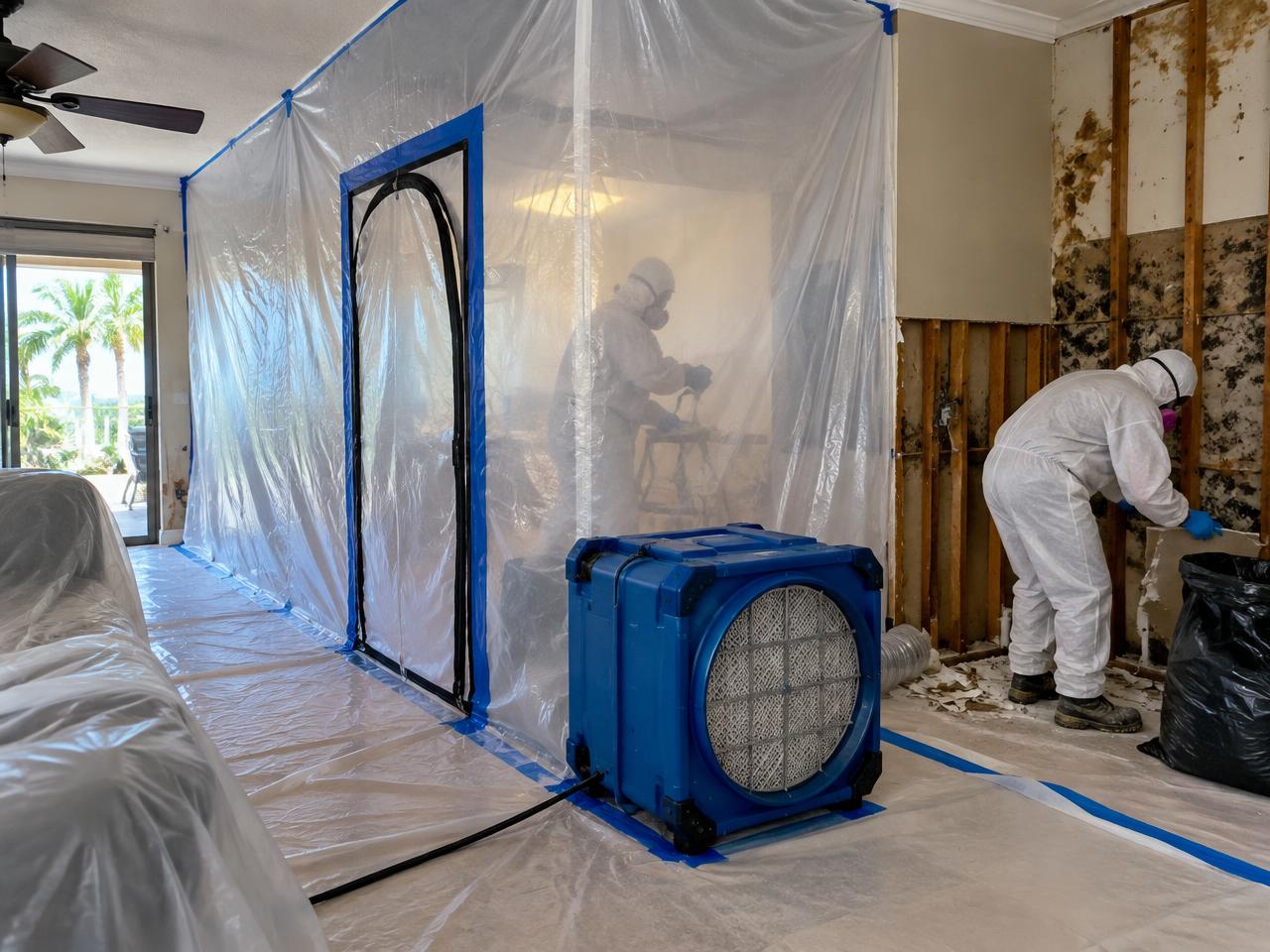
Do you know what asbestos is and what happens when you are exposed to it? Depending on when your home was built, it may contain asbestos in insulation, acoustic treatments, or structural building materials. Unfortunately, airborne asbestos fibers pose substantial risks to your respiratory health. Here is what property owners across Central and South Florida need to know about the dangers of asbestos exposure.
What Is Asbestos?
Asbestos is a naturally occurring, flexible mineral fiber prized for decades for its resistance to heat, electricity, and chemical corrosion. Because of these insulating properties, manufacturers added asbestos to thousands of commercial products, including building insulation, vinyl floor tiles, textured popcorn ceilings, roofing shingles, and siding panels.
The problem with asbestos fibers is their microscopic size and friability. When disturbed, these minerals break down into tiny, airborne particles that remain suspended in indoor spaces. Inhaling these fibers allows them to settle deep within lung tissue, where the body cannot easily break them down or expel them.
What Are the Risks of Asbestos Exposure?
Anyone who inhales airborne asbestos fibers faces health risks, though prolonged exposure and preexisting vulnerabilities, such as smoking, compound the danger. The health consequences often take decades to emerge and can include:
- Asbestosis: A chronic, progressive inflammatory condition affecting the small airways and air sacs of the lungs. As scar tissue builds up, oxygen transfer becomes difficult, causing chronic coughing, persistent shortness of breath, and chest tightness. The scarring is permanent and cannot be reversed.
- Mesothelioma: A rare and aggressive cancer that affects the thin layer of tissue covering most of your internal organs, most commonly the lining of the lungs and chest wall (pleura) or abdomen (peritoneum). Symptoms include chest pain under the rib cage, painful coughing, unexplained weight loss, and fluid accumulation in the chest cavity.
- Lung Cancer: Prolonged exposure to airborne asbestos fibers significantly increases the lifetime risk of developing lung cancer, especially when combined with exposure to tobacco smoke or other environmental contaminants.
In Florida, older residential communities throughout Brevard, Volusia, Flagler, and Broward counties frequently have original materials that harbor asbestos. While low-level background exposure occurs in everyday life, major hazards emerge when these materials are disturbed during remodeling, demolition, or emergency water damage restoration following storms.
Protecting Your Indoor Air Quality
If you live in an older home, undisturbed asbestos that is in good condition usually presents minimal danger. However, sanding popcorn ceilings, pulling up vinyl mastic, or cutting into wall cavities without proper precautions can quickly contaminate your entire living space.
Before beginning major renovations or remodeling projects in Fort Lauderdale or across Central Florida, schedule a professional healthy home assessment to evaluate your environmental risks. Taking proper precautions ensures that your family, contractors, and indoor environment remain protected from airborne hazards. If you have questions about your property's environmental health, contact the team at Ahold of Mold Environmental for experienced guidance.