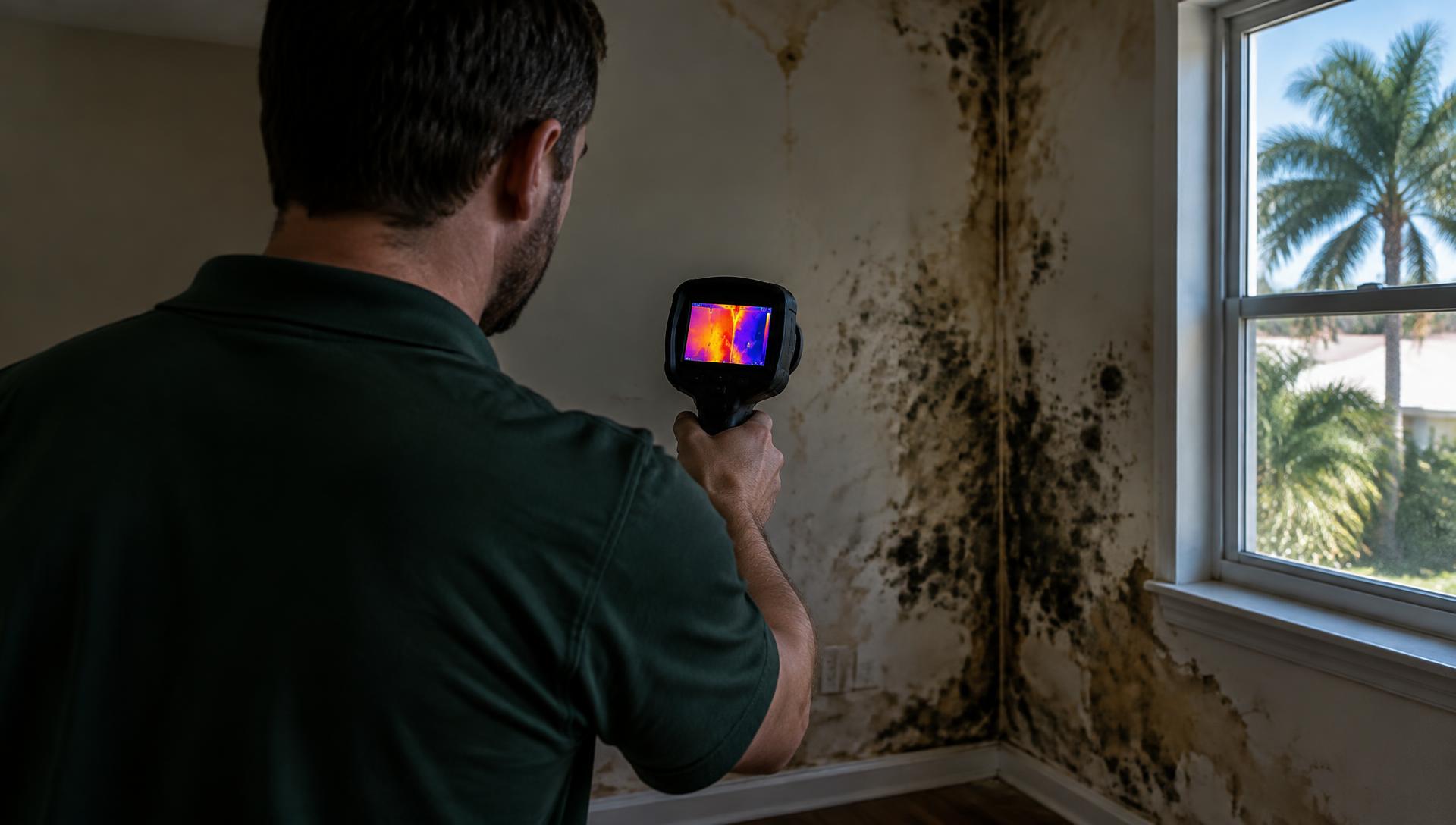
Mold remediation is a specialized discipline best performed by a state-licensed remediation contractor. While remodeling contractors have extensive experience hanging drywall, laying tile, and framing structures, they generally are not licensed, trained, or equipped to remediate mold. In Florida, where year-round humidity and air conditioning create ideal conditions for microbial growth, mishandling mold during a renovation can contaminate your entire home. Here are the primary reasons why your remodeling contractor shouldn’t perform mold removal services:
- Florida licensing laws prohibit it: Under Florida Statute Chapter 468, Part XVI, any project involving mold remediation of 10 contiguous square feet or more requires a licensed Mold Remediator (MRSR). Remodeling and general contracting licenses do not authorize contractors to perform mold abatement without this specific credential.
- Lack of containment protocols: Remodeling contractors typically focus on efficient demolition. However, tearing out mold-damaged drywall, trim, or vanity cabinets without negative-pressure containment and HEPA-filtered air scrubbers disperses millions of spores into the indoor air, which your HVAC system then spreads throughout the home.
- Remediation requires specialized equipment: True remediation requires commercial dehumidifiers, negative air machines, HEPA vacuums, and EPA-registered antimicrobials. Spraying standard bleach or off-the-shelf chemicals onto porous materials often introduces excess moisture and fails to remove mold roots beneath the surface.
- Insurance and liability exclusions: Standard general liability insurance policies for remodeling contractors frequently carry absolute mold exclusions. If an unlicensed contractor causes mold spores to migrate into other living areas or air conditioning ducts, their insurance policy may deny coverage for the resulting damage.
- Protecting property value through independent verification: Licensed remediators work from an independent protocol established by a licensed assessor after professional mold testing. Once the work is done, a post-remediation clearance inspection provides the documentation needed when selling your property or settling an insurance claim.
Hiring a licensed mold remediation contractor ensures the job meets strict industry standards (such as the IICRC S520) and complies with Florida building regulations. If you discover mold during a kitchen or bathroom renovation, have your contractor pause work and contact Ahold of Mold Environmental to ensure the issue is addressed safely and compliantly.