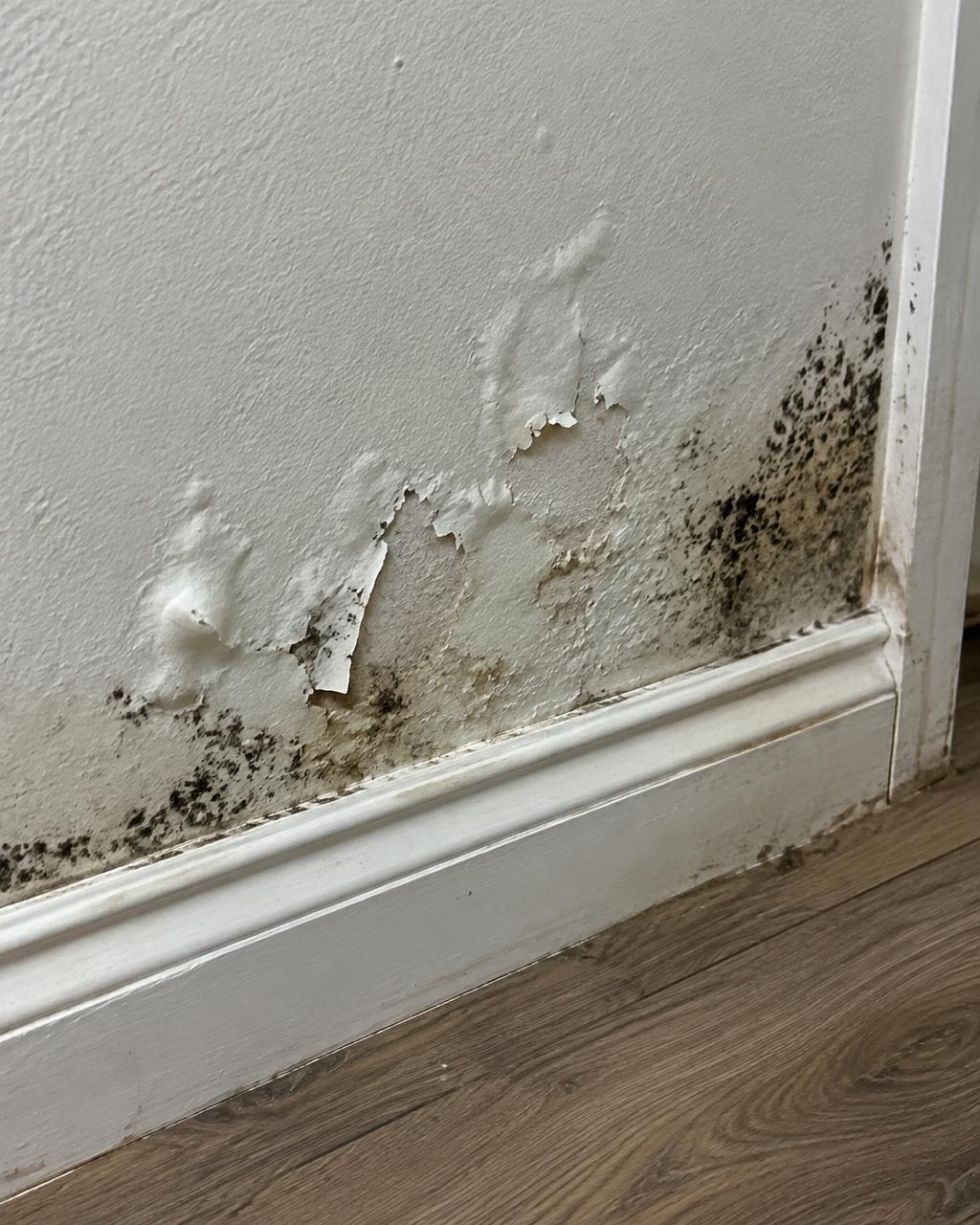
Buying a Florida house with existing moisture issues or mold growth can be a calculated investment, provided you take the proper precautions before submitting an offer or closing the deal. In Florida's subtropical climate, moisture damage often stems from roof leaks after severe storms, aging plumbing, air conditioning drain pan overflows, or past flooding. Left unaddressed, hidden moisture can rapidly degrade building materials and compromise indoor air quality.
1. Schedule an Independent Professional Inspection
While a standard real estate home inspection identifies major structural defects, properties with visible water staining or musty odors require dedicated professional mold testing by a Florida-licensed Mold Assessor (MRSA). A certified assessor evaluates moisture intrusion using thermal imaging and moisture meters, identifying the source and drafting a written scope of work.
2. Consult a Licensed Restoration Contractor
Before negotiating, consult a licensed professional specializing in water damage restoration and mold cleanup. A Florida-licensed remediator (MRSR) can review the assessor's report to provide an accurate estimate for structural drying, drywall removal, and sanitization. Remember, Florida Chapter 468 Part XVI prohibits the same company from performing both the assessment and the remediation on the same project to ensure unbiased reporting.
3. Factor Repair Costs into Your Offer
Calculate the comprehensive cost of structural drying, plumbing or roof repairs, and mold remediation. In Florida, many insurance policies carry strict mold sublimits (often capped at $10,000), meaning pre-existing or future mold claims may have limited coverage. Subtract the full anticipated restoration cost from the fair market value of comparable homes in the area to establish a realistic baseline for your opening bid.
4. Submit a Contingent Bid
Ensure your purchase contract includes specific contingencies for water and mold remediation. Work with your real estate professional to include clauses that allow you to exit the contract or renegotiate should destructive testing reveal extensive structural decay behind walls or under subflooring.
5. Check Insurance Feasibility Early
Securing homeowners insurance in Florida is a critical hurdle. Insurance carriers, including Citizens Property Insurance Corporation, frequently deny coverage or demand high surcharges if a 4-point inspection reveals active leaks, unresolved water stains, or roof damage. Contact your insurance agent immediately during the inspection period to verify whether the property is insurable in its current state or if repairs must be escrowed or completed prior to closing.
6. Explore Specialized Renovation Financing
If the damage prevents traditional financing, look into renovation loans such as the FHA 203(k) or Fannie Mae HomeStyle renovation loan. These programs allow buyers to roll the purchase price and necessary repair costs into a single mortgage.
7. Remediate Immediately Post-Closing
Once the title transfers and closing is complete, begin drying and remediation work immediately before moving your belongings in. Florida's high ambient humidity can turn minor residual moisture into widespread growth in as little as 24 to 48 hours. If you need local evaluation across South Florida or Central Florida, contact Ahold of Mold Environmental to connect with experienced professionals.