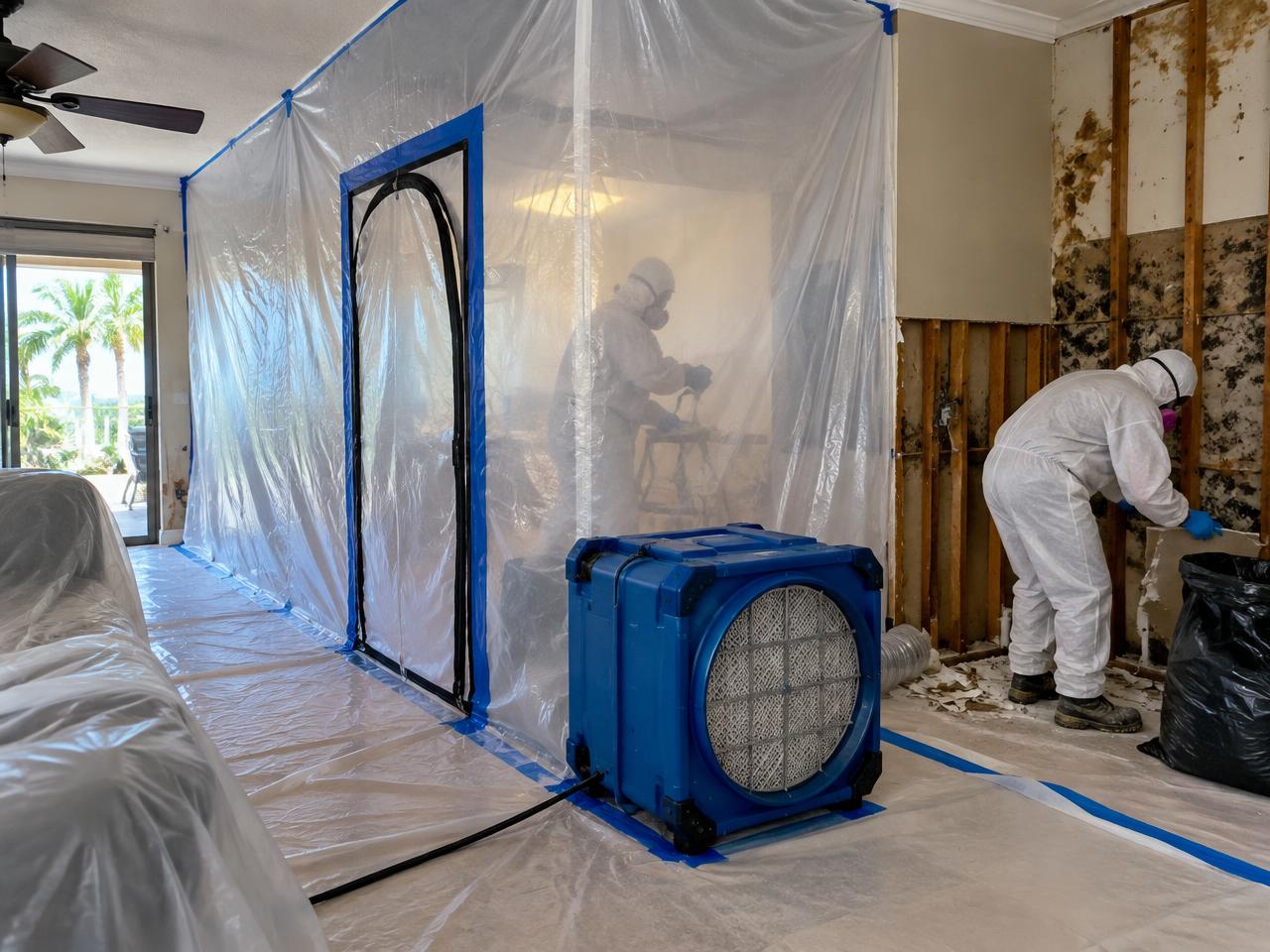
Stopping water from entering your Florida home should be one of your top priorities as a homeowner, but managing moisture can be a challenging, year-round responsibility. Between torrential tropical downpours, high coastal humidity, and aging plumbing fixtures, tracking down water intrusion sources and assessing structural damage can seem daunting. Since dealing with water damage restoration is disruptive and costly, taking proactive preventive steps is always your best defense.
At Ahold of Mold Environmental, our family-owned business has helped property owners manage moisture since 1996. Over decades of field experience across Central Florida and South Florida, we have compiled the most effective preventive habits homeowners can easily implement:
- Clean gutters and downspouts regularly: Set a recurring seasonal reminder on your calendar. Florida's sudden, heavy downpours can overwhelm clogged gutters within minutes. When gutters overflow with pine needles, palm debris, and roof sediment, storm runoff pools directly against your foundation slab or perimeter stem wall, allowing moisture to wick into interior walls.
- Know where your main water shutoff is located: Ensure every adult in your household knows the exact location of the main water shutoff valve and that it turns freely. If you travel or leave your home vacant for seasonal trips, shutting off the main supply stops sudden pressurized pipe breaks from flooding your property while you are away.
- Inspect water-bearing appliances: Dishwashers, washing machines, water heaters, and refrigerators with ice makers are common sources of catastrophic indoor leaks. Check behind appliances regularly for damp drywall, corrosion around fittings, or swelling baseboards.
- Upgrade to braided stainless steel hoses: Standard rubber supply lines become brittle and degrade rapidly in humid environments. Upgrading washing machine and supply lines to burst-resistant braided stainless steel helps prevent catastrophic plumbing line failures.
- Watch your utility bill closely: Many homeowners rely on automatic bill payments and miss early warnings. An unexplained spike in your monthly water bill often signals an underground slab leak, a running toilet valve, or hidden plumbing seepage behind a wall cavity.
- Deploy smart moisture sensors: Inexpensive wireless water alarms placed near water heaters, air handler condensate drain pans, and under kitchen sinks alert your phone instantly when moisture is detected, giving you time to act before mold colonies establish.
Preventing moisture intrusion and restoring water-damaged building materials is Ahold of Mold Environmental's specialty. If you suspect hidden moisture or need a thorough indoor moisture inspection, contact our licensed team today to schedule an assessment.