Mold growth is unsightly, destructive to your property, and can compromise indoor air quality. Mold proliferates rapidly in warm, humid, and subtropical climates like Florida. Coastal communities and low-lying regions across Central and South Florida are particularly vulnerable due to sustained ambient humidity, heavy summer downpours, and tropical storm activity.
If you suspect moisture problems or musty odors in your home, scheduling professional mold testing is the best first step. Because fungal growth can quickly spread through drywall, flooring, and HVAC ductwork, identifying the source of moisture and taking corrective measures is vital to protecting your property.
Fortunately, there are proactive steps Florida homeowners can take to prevent mold proliferation indoors:
- Identify and address problem spots:
Certain areas of your home face higher moisture loads, especially kitchens, bathrooms, laundry rooms, and utility closets housing your air handler. Inspect behind toilets, under sinks, and near refrigerator water lines regularly. If you discover established growth, avoid relying on bleach—household bleach contains water that can soak into porous surfaces and accelerate growth. Instead, turn to a licensed specialist for safe mold remediation. - Keep surfaces dry:
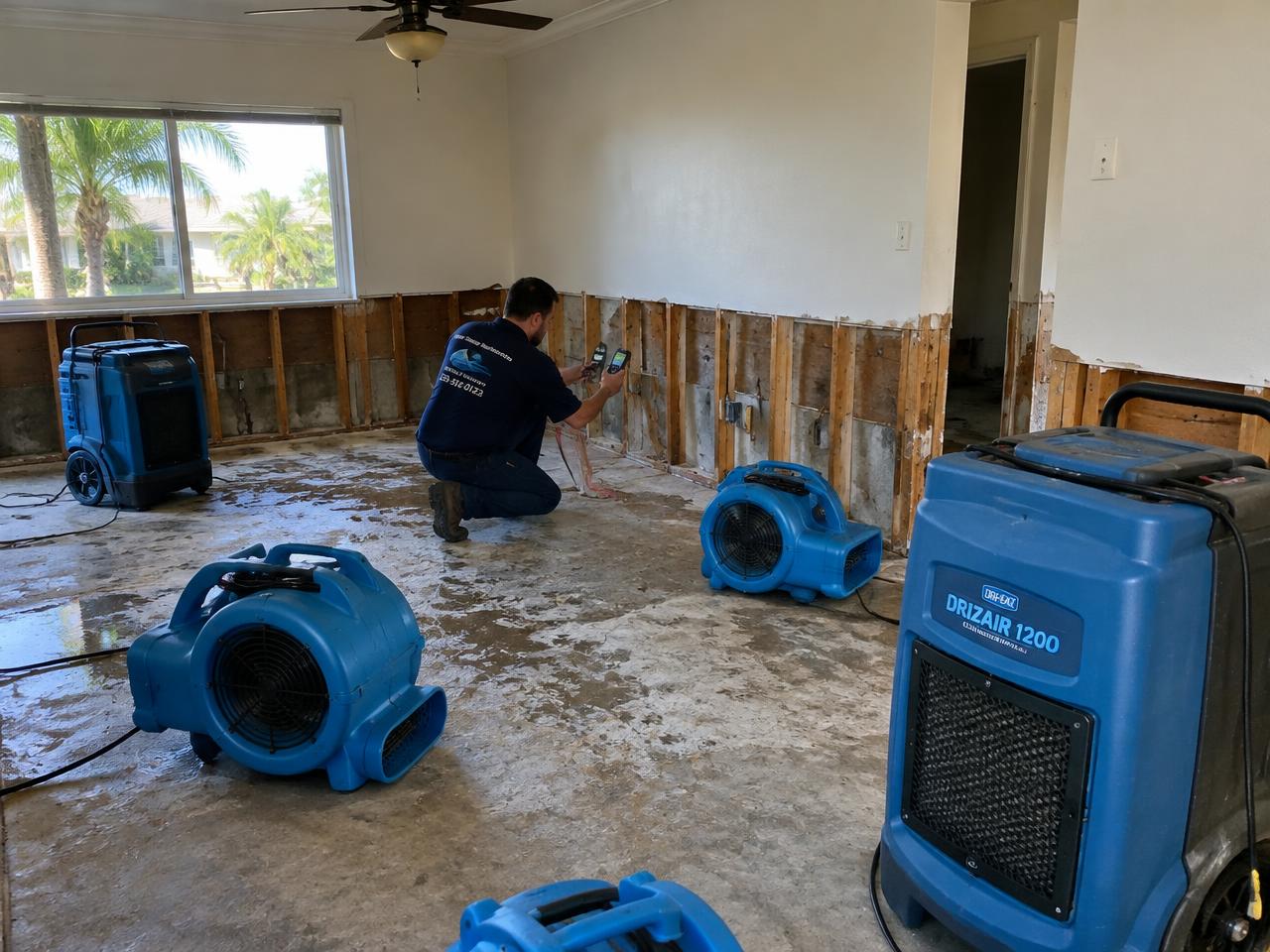
Prompt water management is your primary defense against fungal growth. Never let standing water remain on subfloors or behind baseboards following plumbing leaks or storm runoff. If you experience unexpected pipe breaks or roof intrusion, immediate water damage restoration is critical, as mold can germinate within 24 to 48 hours in damp Florida environments. - Promote continuous airflow:
Stagnant, humid air creates ideal conditions for mold colonies. Ensure your air conditioning system is properly sized and functioning efficiently. Run exhaust fans during and after showers, keep interior doors slightly ajar to encourage balanced air distribution, and replace AC filters regularly according to manufacturer guidelines. - Monitor indoor humidity:
Throughout Florida's long rainy season, outdoor humidity frequently reaches 90 percent or higher. To keep indoor environments safe, the U.S. Environmental Protection Agency (EPA) recommends maintaining indoor relative humidity between 30 and 60 percent (ideally under 50 percent). Use an inexpensive hygrometer to track your levels, and consider a supplementary dehumidifier if your AC unit cannot keep up.
Family-owned and operated since 1996, Ahold of Mold Environmental provides licensed mold assessment and remediation services across Central Florida and Fort Lauderdale. Fully licensed under Florida Chapter 468 (MRSA3074 and MRSR4581), our team is committed to keeping your indoor environment clean and dry. Contact us today to schedule an inspection for your home or business.