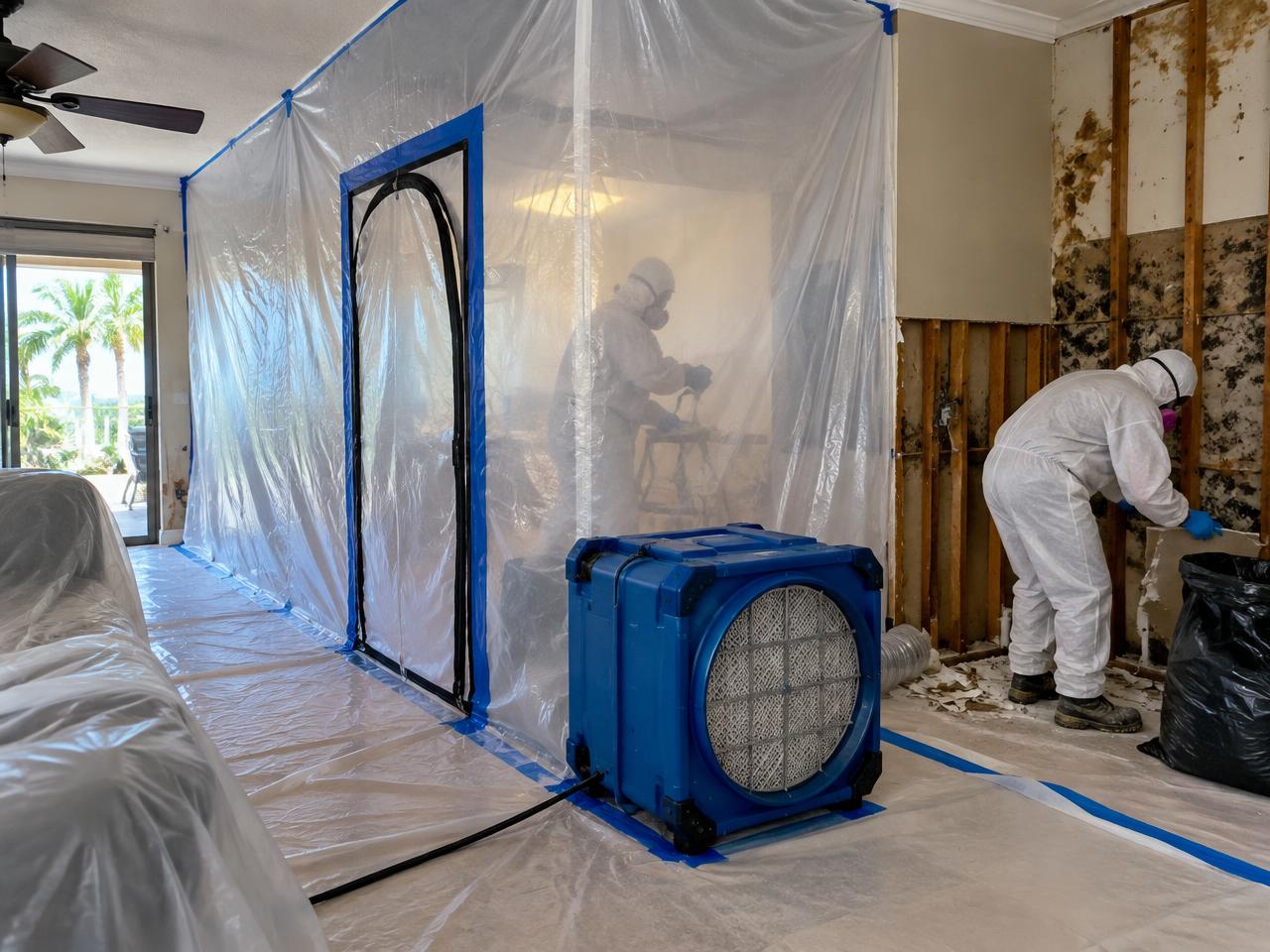
When television personality Ed McMahon faced widespread mold contamination in his multi-million-dollar residence, it sparked one of the most prominent property damage and environmental lawsuits of its time. McMahon alleged that an insurer and cleanup contractors botched a repair following a broken water pipe, allowing mold to spread throughout the 8,000-square-foot estate.
The lawsuit sought substantial damages from insurers, adjusters, and cleanup contractors after what began as a routine plumbing failure escalated into an uninhabitable living environment. "It started with a broken water pipe, which is not a big deal," McMahon's attorney noted at the time. "It turned into a horrific nightmare."
The Danger of Inadequate Water Damage Repairs
According to the lawsuit, a burst pipe flooded a den. Rather than carrying out comprehensive structural drying and containment, the contracted crew allegedly painted over the contaminated materials and failed to provide thorough inspection reports detailing the extent of the growth. Within weeks, residents reported chronic respiratory distress, their pet succumbed to respiratory complications, and specialists discovered elevated levels of Stachybotrys chartarum in the master living quarters.
The family was forced to evacuate the property and relocate indefinitely while extensive remediation and structural rebuilding took place.
Lessons for Florida Property Owners
While this high-profile case unfolded in California, the hard lessons apply directly to homeowners throughout South Florida and Central Florida, where high ambient humidity accelerates fungal amplification whenever moisture intrusions occur:
- Address moisture immediately: Rapid structural drying through professional water damage restoration must begin within 24 to 48 hours to prevent mold from colonizing building materials.
- Never paint over mold: Surface sealants and paint do not kill active fungal root systems embedded in porous drywall, subflooring, or framing. Proper physical removal under containment via licensed mold remediation is required.
- Verify independent testing: Under Florida Chapter 468 Part XVI, independent licensed assessors must conduct pre- and post-remediation mold testing to verify that clearance criteria are met without a conflict of interest.
- Check insurance policy sublimits: Many Florida property insurance policies include a standard $10,000 mold coverage sublimit. Resolving leaks and drying structural cavities quickly prevents minor water events from turning into costly, uncovered losses.
If your property has experienced a plumbing leak, storm intrusion, or lingering indoor air quality concerns, schedule a comprehensive healthy home assessment to ensure moisture and indoor contaminants are identified and resolved according to state standards.