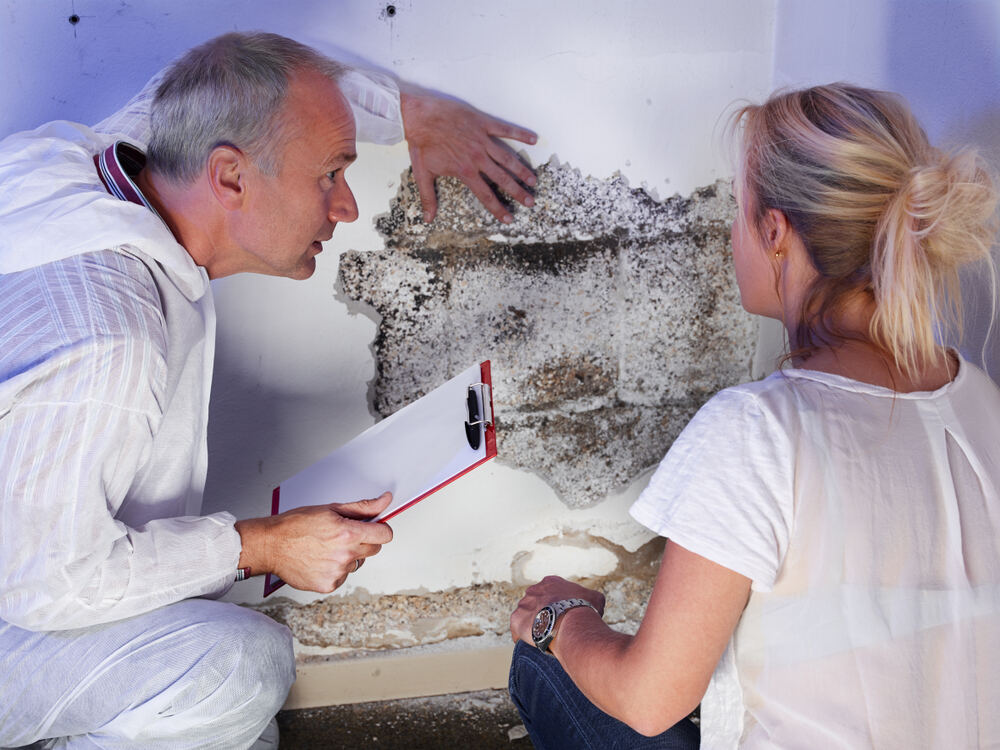
Water damage can be a disruptive event for any homeowner or commercial property manager. Whether caused by an AC condensate overflow, a burst plumbing supply line, wind-driven rain, or a compromised roof during storm season, standing water creates the exact conditions mold needs to thrive. In Florida's subtropical climate, warmth and ambient moisture accelerate fungal growth, making rapid, methodical action essential.
Understanding Mold Growth After Water Damage
Mold spores exist naturally in indoor and outdoor air across Florida. Under normal conditions, they remain dormant. However, once water damage occurs, elevated moisture allows those spores to settle on porous surfaces—such as drywall, ceiling tiles, wood framing, and carpet backing—and multiply. Colonization can begin within 24 to 48 hours of initial wetting.
Because moisture often seeps into subflooring or wall cavities, early growth can easily go unnoticed. Warning signs include persistent earthy or musty odors, peeling paint or bubbling baseboards, visible discoloration, and occupant discomfort such as sneezing or nasal congestion. Prompt investigation helps prevent small leaks from escalating into extensive structural damage.
Preventing Mold Growth After Water Damage
Mitigating fungal growth begins the moment water intrusion stops. Effective prevention steps include:
- Extract standing water immediately: Remove pooled water as quickly as possible. Professional water damage restoration teams utilize heavy-duty submersible pumps and commercial truck-mounted extractors to draw moisture out of floors and structural assemblies.
- Control humidity and dry structural assemblies: Keep windows and exterior doors closed. In Florida, outdoor air is typically saturated with humidity. Rely on high-capacity dehumidifiers and commercial air movers alongside your HVAC system to drive down indoor relative humidity and pull bound moisture out of framing and drywall.
- Inspect hidden cavities: Moisture frequently migrates beneath tile, behind vinyl baseboards, and into wall cavities. Moisture meters and thermal imaging cameras should be used to trace water boundaries beyond what is visible to the naked eye.
- Clean and sanitize non-porous surfaces: Non-porous surfaces impacted by clean water should be thoroughly washed with suitable detergent solutions and treated with EPA-registered antimicrobials to limit microbial reproduction.
- Maintain indoor humidity below 55%: In areas like AC closets, laundry spaces, and crawlspaces, dedicated dehumidification prevents residual dampness from feeding dormant spores.
Remediating Mold Growth After Water Damage
If mold has already colonized building materials, simple surface wiping is rarely enough. A comprehensive mold remediation protocol ensures that spores and mycotoxins are not cross-contaminated into unaffected rooms during cleanup:
- Fix the root moisture source: Remediation cannot succeed if moisture continues to enter the building envelope. Whether repairing flashing, patching plumbing, or clearing clogged AC drain pans, permanently halting water intrusion is the required first step.
- Establish containment and negative pressure: Professional remediators erect critical barriers using poly sheeting and operate HEPA-filtered air scrubbers under negative pressure, keeping spores confined to the work zone.
- Remove non-salvageable porous materials: Mold-damaged drywall, saturated fiberglass insulation, and affected tack strips must be carefully bagged, sealed, and removed according to industry standards such as the IICRC S520.
- HEPA vacuum and treat framing: Structural studs and salvageable framing are cleaned using HEPA vacuuming, damp-wiping with specialized antimicrobials, and controlled mechanical abrasion where necessary.
- Verify with independent clearance testing: Before replacing finishes, independent professional mold testing provides objective documentation that indoor airborne spore levels have returned to normal, healthy baselines.
Schedule a Professional Florida Assessment
Family-owned and operated since 1996, Ahold of Mold Environmental brings nearly three decades of dedicated moisture inspection, indoor air quality testing, and remediation expertise to residential and commercial properties. We hold dual Florida credentials as licensed Mold Assessors (MRSA3074) and Mold Remediators (MRSR4581), ensuring all work adheres strictly to Florida Chapter 468 regulations.
Whether you are dealing with storm-related intrusion or an undetected plumbing leak, our team provides clear answers and dependable restoration practices. Contact Ahold of Mold Environmental today to schedule an evaluation. Reach our Central Florida office at (386) 492-1288 or our South Florida team at (954) 281-2666.