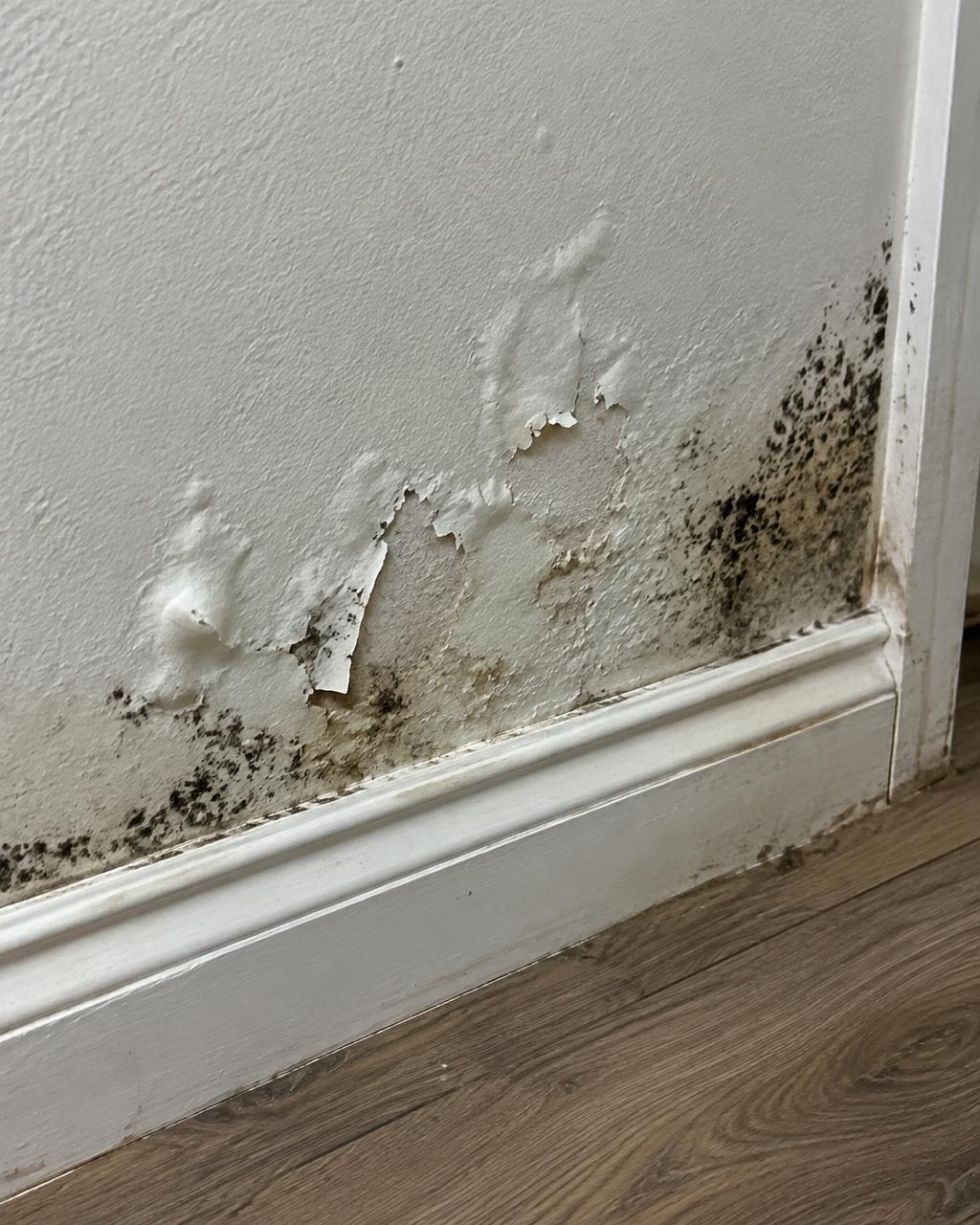
Stopping fungal growth in Florida goes far beyond scrubbing baseboards with bleach and hoping for the best. Controlling mold is challenging because spores thrive wherever moisture and organic food sources meet, especially in our sub-tropical climate. Attempting to tackle visible colonies as a weekend DIY project frequently leads to cross-contamination and recurring growth. Here are five key reasons to leave mold remediation to licensed Florida professionals:
- Finding the hidden moisture source: Many property owners tackle mold simply by wiping down visible spots. However, surface growth is rarely the root problem. In Florida homes, common moisture sources include leaking air conditioning plenums, condensation inside ductwork, roof flashing failures, or plumbing leaks behind wall cavities. An experienced team evaluates building dynamics to pinpoint the moisture source so it can be fixed permanently before cleanup begins.
- Proper treatment over cosmetic cover-ups: Bleach is a common home remedy, but it is largely ineffective on porous materials such as drywall, wood framing, and insulation. Bleach merely removes the surface color of the mold while introducing added moisture that feeds deeper fungal roots. A professional remediator utilizes EPA-registered antimicrobials, physical HEPA vacuuming, and controlled removal of non-salvageable materials to address the root issue.
- Preventing cross-contamination: Agitating mold colonies without negative air pressure and containment barriers releases millions of microscopic spores into your indoor air. Licensed contractors isolate the work zone using polyethylene sheeting and HEPA air scrubbers, ensuring active spores do not migrate into air conditioning returns or unaffected living areas.
- Addressing water intrusion protocols: Mold growth is almost always paired with underlying moisture damage. Whether from high humidity or storm-driven rains, professional remediators work alongside water damage restoration practices to ensure building materials are thoroughly dried to industry standard moisture levels before reconstruction begins.
- Saving time and structural repair costs: Repeated DIY attempts often cost more over time than professional remediation. When moisture problems linger untreated inside wall cavities, building materials rot and structural framing weakens. Engaging a licensed team ensures the job adheres to professional IICRC S520 guidelines, avoiding ongoing property damage.
Before any remediation begins, having professional mold testing conducted by an independent assessor helps establish the exact scope of work required. Ahold of Mold Environmental has served property owners across Central Florida and South Florida since 1996. To evaluate moisture concerns in your home or commercial building, reach out through our contact page or call our team today.