In Florida, humidity is not just a seasonal visitor—it is a year-round reality. While warm weather brings beach outings and pool days across Central and South Florida, indoor environments face constant moisture pressure. Mold thrives in damp conditions, making elevated indoor humidity one of the most common precursors to fungal growth in the Sunshine State.
The short answer is yes: humidity alone is entirely sufficient to trigger mold formation. You do not need a burst pipe or a leaking roof for mold to establish itself. When indoor relative humidity stays elevated, spores present in the air can settle and flourish. Fortunately, professional mold testing and inspection by a Florida licensed mold assessor can help pinpoint moisture reservoirs before minor dampness turns into extensive structural contamination.
Where Does High Humidity Trigger Mold Indoors?
Mold develops wherever moisture, stagnant air, and organic food sources meet. In states with deep basements, subterranean moisture is a frequent culprit; in Florida slab-on-grade construction, trouble spots look different. High indoor humidity typically causes mold issues in:
- Air Conditioning Closets and Ductwork: Condensation around air handlers and supply plenums creates ideal conditions for microbial colonization.
- Bathrooms and Laundry Areas: Shower steam and unvented dryers quickly drive relative humidity past critical thresholds.
- Exterior-Facing Closets: Stagnant air combined with temperature differentials across exterior walls often fosters surface mold on clothing, leather, and drywall.
- Crawlspaces and Attics: Poorly ventilated attic spaces and vented crawlspaces capture outdoor moisture, allowing mold to feed on subflooring and framing.
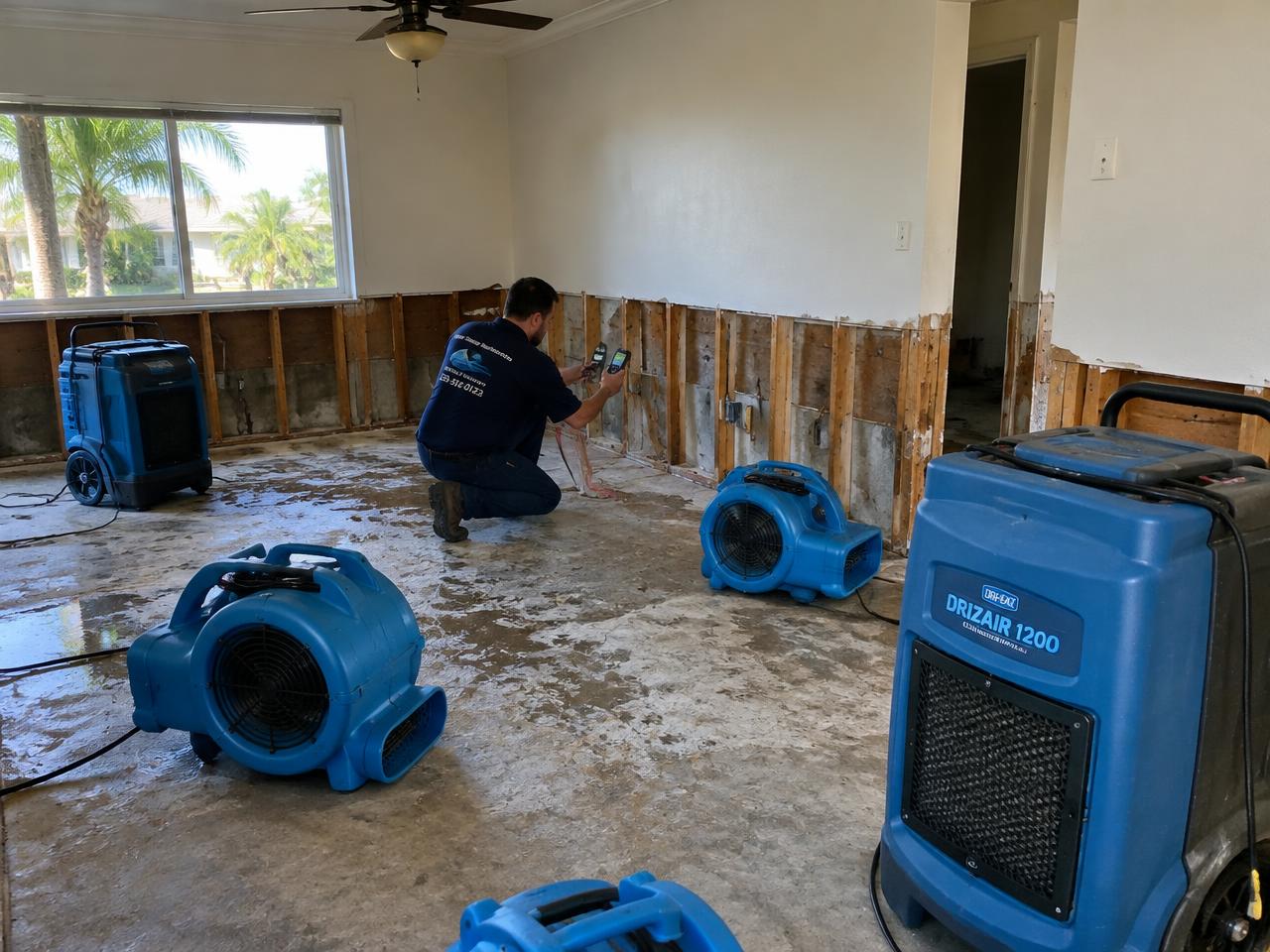
During a comprehensive healthy home assessment, Ahold of Mold Environmental evaluates these vulnerable zones using thermal imaging and precision moisture meters to verify whether ambient moisture or hidden water intrusion is feeding fungal growth.
What Conditions Enable Mold to Colonize?
Mold is a living fungal organism requiring organic material, an appropriate temperature range, and moisture to multiply. Because Florida homes are typically climate-controlled within comfortable temperature ranges and constructed with wood, paper-faced drywall, and carpeting, food and warmth are readily available.
That leaves moisture as the deciding factor. When indoor relative humidity climbs above 60%, porous surfaces absorb water vapor from the ambient air. Over 24 to 48 hours of sustained dampness, dormant spores can germinate. Left unchecked, mold breaks down cellulose materials, damaging cabinetry, trim, and upholstered furnishings. If colonization has already spread across more than 10 square feet, Florida law requires licensed mold remediation to safely contain and remove the impacted materials under strict containment protocols.
How Can You Keep Humidity Below Mold-Triggering Levels?
Controlling indoor humidity is the single most effective defense against mold development. Here are practical steps to protect your property:
- Maintain Correct AC Settings: Keep your thermostat set to "Auto" rather than "On" so the fan does not blow residual water off the evaporator coil back into your living space after a cooling cycle.
- Ensure Proper Equipment Sizing: An oversized AC unit cools rooms too quickly without running long enough to pull water out of the air, leaving the home cold and clammy.
- Use Supplemental Dehumidifiers: Standalone or whole-home dehumidifiers help keep indoor relative humidity consistently between 30% and 50%, especially during the rainy season.
- Run Exhaust Fans: Vent bathrooms during and after bathing, and run range hoods while cooking to exhaust humid air outdoors.
If you notice persistent musty smells, peeling paint, or visible spotting on ceilings or vents, do not wait for the issue to spread. Contact Ahold of Mold Environmental to schedule a certified evaluation and keep your indoor air clean and balanced.