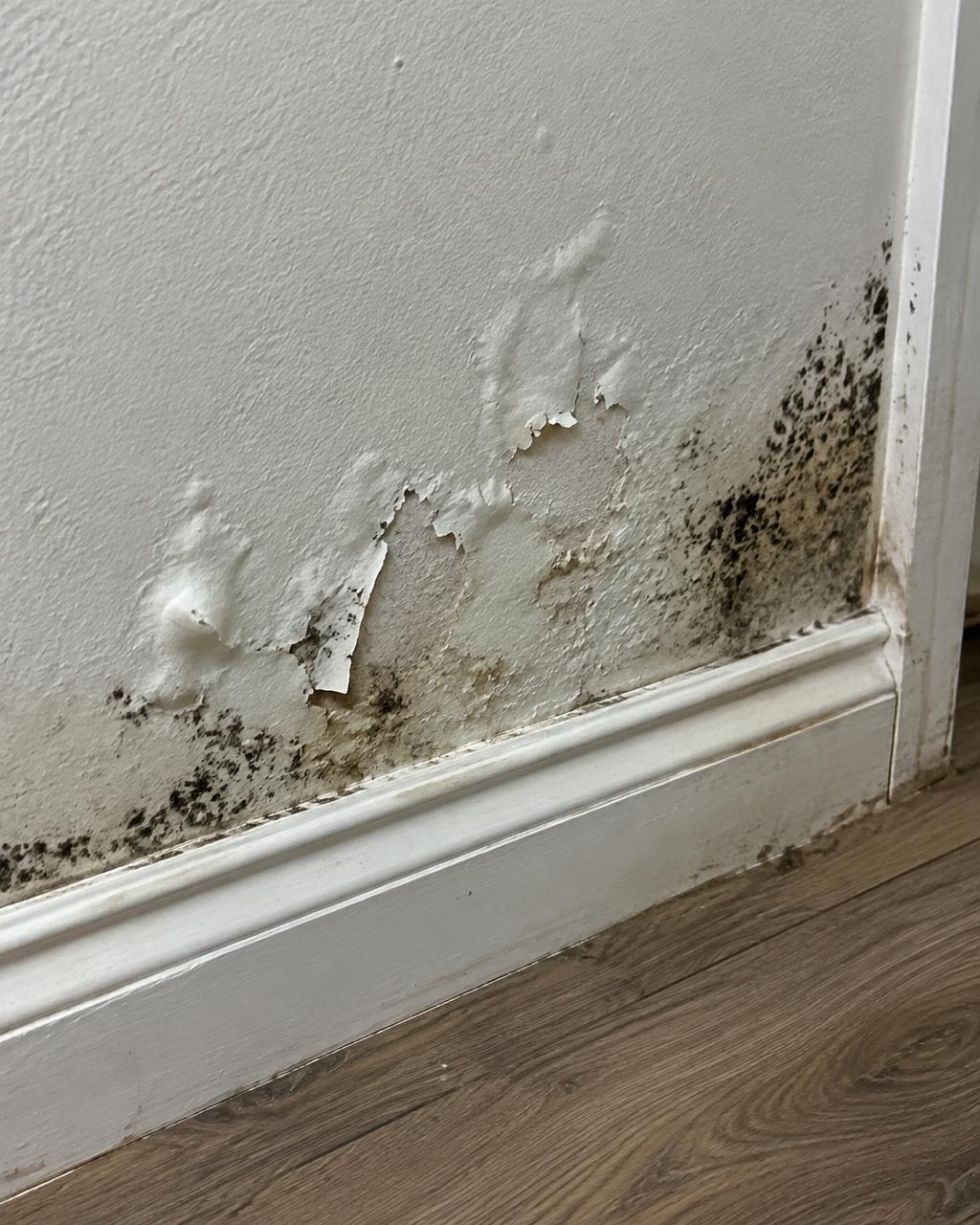
Discovering mold inside a home is a common concern for homeowners across Florida. Inhaling airborne spores can contribute to respiratory discomfort, coughing, throat irritation, and sneezing, particularly for individuals with asthma or existing allergies. If you spot visible fungal growth, addressing it promptly is crucial—even if the patch appears powdery, dormant, or completely dried out.
While mold dries out when its direct water source disappears, it does not simply vanish or become harmless. Dormant spores and fungal fragments continue to circulate through indoor air. When lingering contamination is suspected, hiring a licensed professional for thorough mold testing or assessment is the safest way to evaluate the true extent of the problem.
Understanding Dried-Out and Dormant Mold
When colonies are deprived of standing water, they stop actively expanding and enter a dormant state. However, the cellular material, mycotoxins, and microscopic spores remain firmly intact on walls, baseboards, or within insulation. Because mold reproduces through microscopic spores designed to withstand harsh, dry conditions, these spores simply wait for moisture to return.
In Florida's humid subtropical climate, reactivation is a constant threat. Sustained indoor relative humidity above 60%, plumbing leaks, roof issues from storm season, or condensation from an aging air conditioning unit provide the moisture dormant spores need to resume active growth.
How Inactive Spores Affect Indoor Air Quality
Dried-out mold is often more brittle and easily disturbed than active, damp colonies. Dusting, vacuuming without a HEPA filter, or foot traffic can launch clouds of dry spores into your living space, where they enter the HVAC system and disperse throughout your home. Inhaling non-viable or dormant spores can still trigger common indoor allergen reactions, such as irritated eyes, nasal congestion, and aggravated respiratory conditions.
If occupants consistently experience sinus irritation indoors, scheduling a comprehensive healthy home assessment helps identify both active and dormant microbial reservoirs affecting your property's air quality.
Why Professional Remediation Is Essential
Homeowners often attempt to scrub dry mold with bleach or household cleaners, but wiping dry colonies without proper containment often exacerbates the problem by dispersing spores into adjacent rooms. Effective cleanup requires strict protocols defined under Florida mold licensing standards (Chapter 468, Part XVI):
- Containment: Physical plastic barriers and negative air machines prevent dry spores from escaping into unaffected living spaces.
- Air Filtration: Commercial HEPA air scrubbers capture airborne particulates and dislodged spores during physical cleaning.
- Controlled Removal: Porous materials damaged beyond restoration are removed under controlled conditions, and non-porous surfaces are treated with professional-grade antimicrobial agents.
Following containment and removal, professional mold remediation ensures structural surfaces are clean and moisture dynamics are stabilized.
Preventing Mold Resurgence in Florida Properties
The key to stopping both active and dormant mold is consistent moisture management. Ensure your air conditioner is appropriately sized to maintain indoor relative humidity below 55% to 60%, run exhaust fans during and after showers, and quickly resolve any plumbing drips or roof leaks. If your home has recently experienced water intrusion from severe storms or an appliance failure, consider prompt water damage restoration before dormant spores have the opportunity to germinate.
If you suspect dormant or active mold is impacting your property in Central Florida or South Florida, contact Ahold of Mold Environmental today to speak with our licensed, family-owned assessment and remediation team.