Did you know the air inside your home can contain higher concentrations of pollutants than outdoor air? Even in suburban or coastal communities, indoor environments often trap airborne particles, allergens, and volatile compounds. This is particularly significant in Florida, where residents spend the vast majority of their time indoors enjoying air-conditioned comfort. Understanding the factors that impact your living space is the first step toward maintaining a clean, healthy property.
If you have concerns about stale odors, humidity, or potential airborne irritants, investing in professional indoor air quality and mold testing provides objective data on what is circulating through your living spaces. Here are the primary reasons property owners choose to have their air tested:
- Identifying immediate irritants:
Poor indoor air quality frequently triggers everyday discomforts such as sneezing, throat irritation, watery eyes, or headaches. In Florida homes, these reactions often stem from elevated concentrations of dust mites, pet dander, or microscopic mold spores circulated continuously by central air systems. Identifying the specific airborne culprits helps you address the root cause rather than just masking symptoms. - Protecting the long-term living environment:
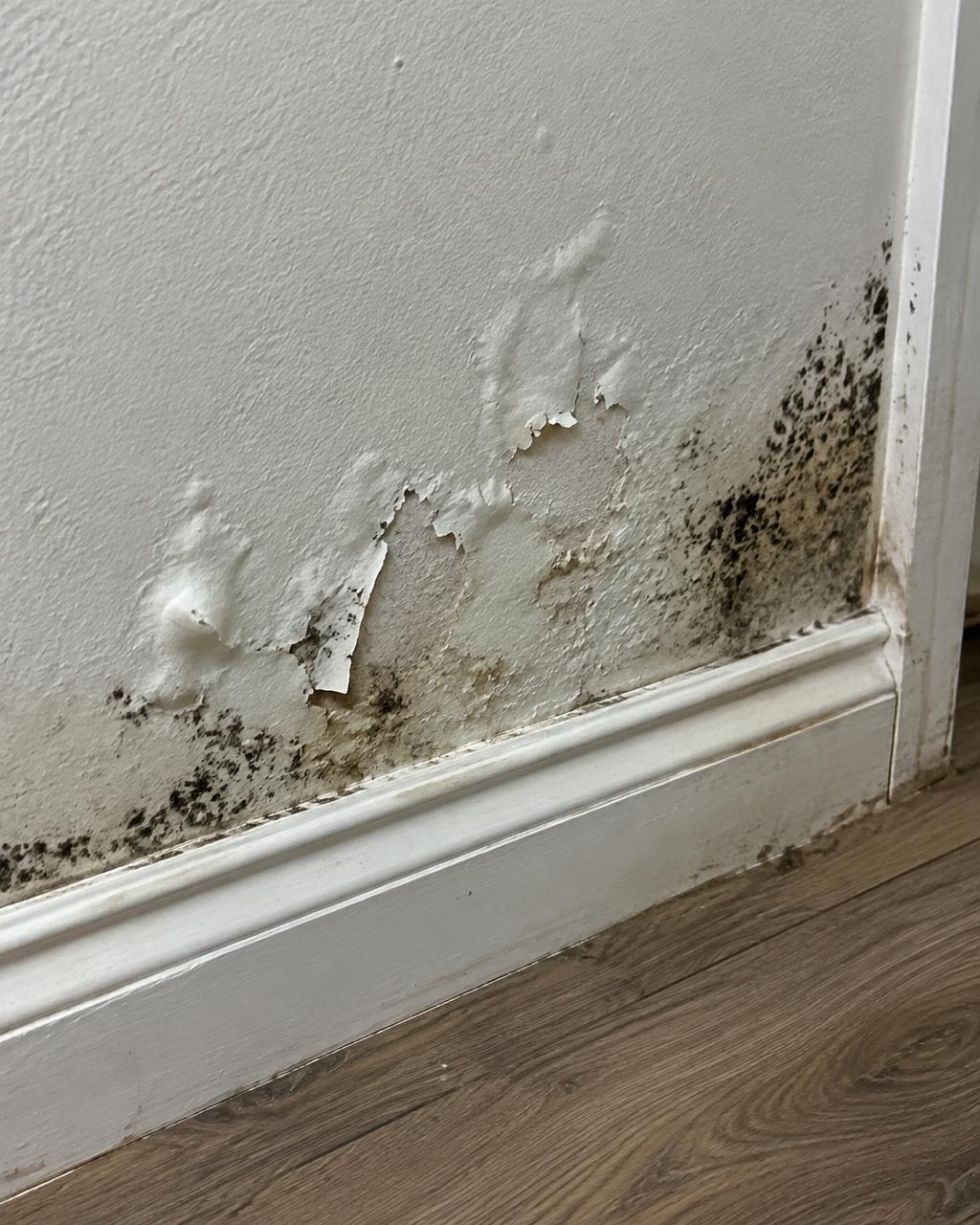
Chronic exposure to poor indoor air can degrade building materials and aggravate underlying respiratory sensitivities over time. High indoor humidity levels allow organic matter to break down, and unnoticed moisture behind drywall can quietly encourage hidden fungal colonies. A comprehensive healthy home assessment helps you detect elevated particle counts and moisture issues before they lead to extensive interior damage. - Uncovering hidden moisture and mold sources:
One of the most common causes of degraded indoor air in Florida is fungal growth triggered by plumbing leaks, roof intrusions, or HVAC condensation. Because mold requires moisture to propagate, spores released into the airstream point directly to active or recent moisture problems. If your home has suffered storm impact or plumbing leaks requiring water damage restoration, air testing confirms whether structural drying was complete and whether spore levels remain within normal ranges.
To ensure your home remains comfortable and clean, professional assessment provides the clear answers you need. Identifying pollutants at the source allows for targeted corrective action rather than guesswork. Ahold of Mold Environmental is a family-owned company licensed in Florida for both mold assessment (MRSA3074) and mold remediation (MRSR4581).
Whether you need diagnostic air sampling in Central Florida or mold inspection in South Florida, our licensed specialists utilize calibrated equipment and independent accredited lab analysis to assess your property accurately. Contact our team today to schedule an inspection or learn more about our air testing services.