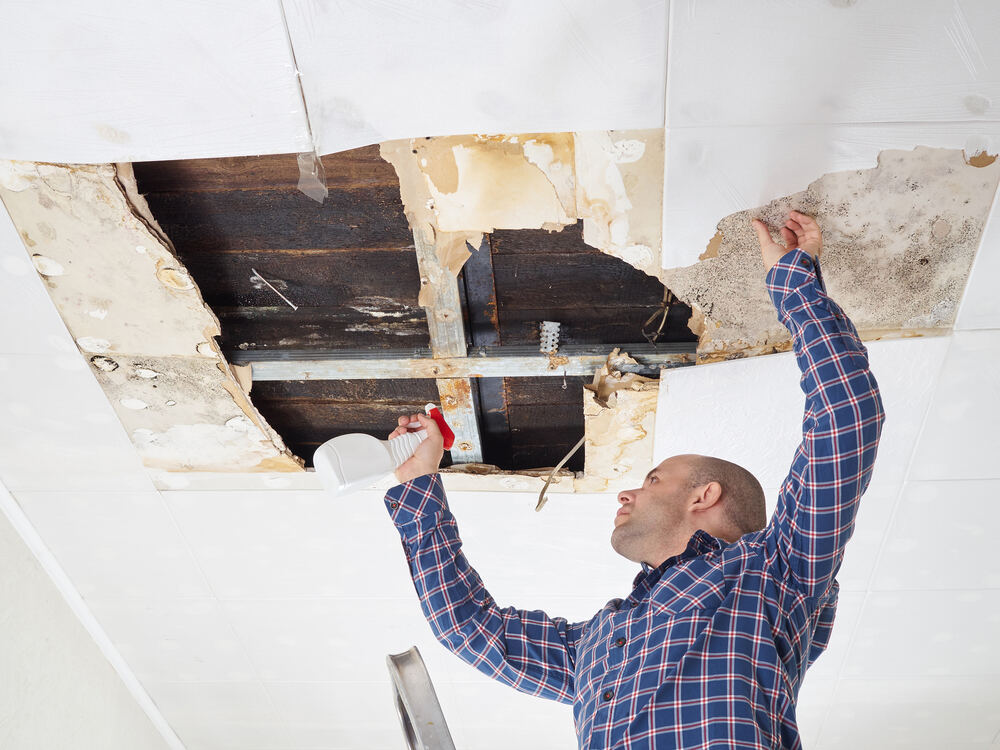
Mold is an unwelcome visitor that often points to underlying moisture problems within a building. Understanding different mold types and their growth patterns is an important step in maintaining a sound indoor environment. At Ahold of Mold Environmental, we have helped property owners address indoor air quality concerns since 1996. Holding state licenses as both a Mold Assessor (MRSA3074) and Mold Remediator (MRSR4581), our team serves homeowners and businesses across Central Florida and South Florida.
Common Types of Indoor Mold in Florida
While thousands of fungal species exist in nature, a select group regularly colonizes indoor spaces when relative humidity remains high or water intrusion occurs. Here is an overview of the types most frequently identified during indoor assessments:
1. Cladosporium
Cladosporium is one of the most common molds found both outdoors and indoors across Florida. It colonizes fiberglass duct liners, HVAC supply registers, and damp drywall surfaces.
Characteristics:
- Appearance: Olive-green to dark brown or charcoal with a powdery, suede-like texture.
- Habitat: Frequently found on air conditioning vents, wood framing, window sills, and damp textiles.
- Significance: Readily releases airborne spores that can trigger allergic responses and upper respiratory irritation in sensitive occupants.
2. Aspergillus
Aspergillus comprises hundreds of species and thrives in humid indoor environments. Because it requires less standing water than other species, it often proliferates simply from sustained high indoor relative humidity (above 60%).
Characteristics:
- Appearance: Powdery colonies ranging in color from white and yellow to green or dark brown.
- Habitat: Common on air conditioner coils, interior walls, acoustic ceiling tiles, and stored paper or leather goods.
- Significance: Known to produce microscopic allergens and irritants that affect indoor air quality.
3. Penicillium
Penicillium spreads quickly across organic building materials following plumbing leaks or roof failures. Its light, easily aerosolized spores travel rapidly through central air systems.
Characteristics:
- Appearance: Blue-green, teal, or yellowish colonies with a velvety surface.
- Habitat: Common on wallpaper, wet insulation, mattress fabric, and water-damaged drywall.
- Significance: Often associated with persistent musty odors and common allergy symptoms.
4. Stachybotrys Chartarum
Often termed "black mold" in popular media, Stachybotrys chartarum requires continuous moisture saturation to grow, such as from an unresolved pipe leak, roof leak, or flood event.
Characteristics:
- Appearance: Dark greenish-black, slick or slimy when wet, and powdery once dry.
- Habitat: Grows on cellulose-rich, low-nitrogen materials such as the paper backing of drywall, structural subflooring, and drop-ceiling tiles.
- Significance: Indicates long-term, severe moisture intrusion that demands prompt moisture correction and containment.
5. Alternaria
Alternaria thrives in damp indoor spots with chronic condensation, such as unventilated bathrooms, around window frames, and beneath leaky sinks.
Characteristics:
- Appearance: Velvety, dark green, gray, or brown colonies.
- Habitat: Shower stalls, grout lines, tile surrounds, and HVAC drip pans.
- Significance: A recognized indoor allergen that can aggravate asthma and allergic rhinitis.
6. Chaetomium
Like Stachybotrys, Chaetomium is considered a "water-damage indicator" mold. It generally indicates substantial, ongoing moisture infiltration rather than minor humidity fluctuations.
Characteristics:
- Appearance: Cotton-like growth that begins white or gray and matures to dark brown or black.
- Habitat: Saturated drywall, baseboards, and structural timbers after major plumbing events or storm surge intrusion.
- Significance: Accelerates the deterioration of cellulose building components and emits strong earthy odors.
Conditions That Fuel Indoor Growth
Mold spores exist naturally in outdoor air, entering structures through open doors, windows, and ventilation intakes. Indoor growth occurs only when specific environmental factors align:
- Elevated Humidity: Florida's subtropical climate routinely pushes outdoor humidity above 80%. When indoor relative humidity climbs over 60%, condensation on cooler surfaces allows spores to germinate.
- Air Conditioning Failures: Undersized, oversized, or improperly cycling AC systems fail to dehumidify indoor air effectively, creating an environment favorable to mold.
- Organic Food Sources: Drywall paper, plywood, ceiling tiles, and carpet fibers provide the nutrients mold colonies need to expand.
- Inadequate Airflow: Closed closets, mechanical rooms, and wall cavities with limited circulation trap moisture and accelerate hidden amplification.
Methods for Accurately Identifying Mold
Visual appearance alone is rarely sufficient to identify mold genus or species. Professional evaluation relies on structured scientific methods:
- Visual & Thermal Inspection: A licensed assessor inspects suspect areas, utilizing infrared cameras and moisture meters to pinpoint active moisture sources behind walls.
- Air Sampling: Spore trap cassettes capture indoor air samples to compare indoor spore counts and genera against outdoor baseline levels via accredited third-party laboratories.
- Surface Sampling: Tape lifts or swab samples collect physical growth from building materials to identify visible fungal structures microscopically.
If you suspect hidden fungal growth following a leak or notice persistent musty smells, scheduling comprehensive mold testing provides the empirical data needed to formulate an appropriate plan of action.
Controlling Moisture and Preventing Regrowth
Because fungal spores cannot develop without adequate moisture, managing water is the cornerstone of mold control in Florida buildings:
- Maintain indoor relative humidity below 55% using properly sized air conditioning and dedicated dehumidifiers.
- Inspect air handler condensate drain lines regularly to prevent clogs and overflow pans from spilling into ceilings or closets.
- Run exhaust fans in bathrooms and kitchens during use and for at least twenty minutes afterward.
- Address plumbing leaks, window seepage, and roof damage immediately. If significant saturation occurs, professional water damage restoration ensures building cavities are thoroughly dried before colonies establish.
Professional Remediation When Mold is Present
When mold contamination covers more than ten square feet, professional containment is recommended to prevent spores from cross-contaminating clean areas of the property. Under Florida law (Chapter 468), mold assessment and mold remediation must be carried out in accordance with strict containment, HEPA filtration, and material handling standards.
Ahold of Mold Environmental brings over two decades of technical field experience to every project. Whether you need an unbiased assessment or targeted mold remediation, our licensed team is ready to help restore your indoor air quality. Contact our team today to discuss your property's needs with our regional specialists in Central and South Florida.