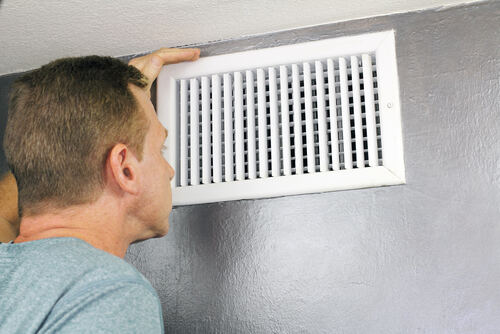
Indoor air quality plays a critical role in maintaining your health and well-being. Poor air quality can cause or exacerbate respiratory conditions, allergies, and lingering physical discomfort. Whether you are experiencing persistent musty odors or simply want peace of mind, performing an air quality test for your home is a proactive step toward a healthier living space.
Why Air Quality Matters in Florida Homes
In Florida's humid subtropical climate, homes remain closed up for most of the year with air conditioning running continuously. The air inside can accumulate pollutants that go unnoticed, such as mold spores, dust mites, volatile organic compounds (VOCs), and off-gassing construction materials. High outdoor humidity, condensation around HVAC vents, and rain intrusion during tropical storms make homes especially prone to moisture imbalances. Prolonged exposure to degraded indoor air can lead to:
- Allergy and asthma flare-ups
- Fatigue, sinus congestion, and headaches
- Eye, nose, and throat irritation
- Long-term strain on respiratory health
Testing your home's air quality helps identify these airborne contaminants and guides the appropriate steps to resolve the underlying moisture and ventilation issues.
Signs of Poor Indoor Air Quality
Before scheduling testing, it is helpful to recognize the warning signs of poor indoor air quality:
- Persistent Allergies: Sneezing, coughing, or itchy eyes that worsen when you are inside your home.
- Musty Odors: A recurring damp or earthy smell, particularly near AC closets, baseboards, or ceiling registers.
- Elevated Indoor Humidity: A sticky or clammy feeling indoors, or humidity readings regularly exceeding 55% to 60%.
- Visible Mold Growth: Discoloration on drywall, around vents, on window sills, or behind furniture.
- Peeling Paint or Water Stains: Indications of prior or active moisture intrusion, which frequently fosters fungal growth.
If any of these signs are present, scheduling a professional mold testing or indoor air evaluation is an essential next step.
How to Test Air Quality in Your Home
There are several ways to evaluate your indoor air, ranging from basic monitoring devices to comprehensive diagnostic services.
1. Use an Indoor Air Quality (IAQ) Monitor
Consumer-grade air quality monitors offer real-time readings of environmental parameters including relative humidity, particulate matter (PM2.5 and PM10), carbon dioxide (CO2), and total VOCs.
- Advantages: Provides continuous 24/7 feedback and alerts you to sudden spikes in humidity or particulate levels.
- Limitations: Cannot identify specific biological contaminants, quantify mold species, or pinpoint hidden water intrusion.
2. DIY Test Kits
Over-the-counter kits are available for pollutants like mold and radon. Mold kits typically use a petri dish left out in a room to collect settled spores.
- Advantages: Inexpensive and readily available at hardware stores.
- Limitations: Highly prone to false positives. In Florida, airborne spores are naturally present, so any open dish will grow mold. These kits do not measure volumetric spore concentrations or compare indoor samples to outdoor controls.
3. Schedule a Professional Indoor Air Quality Assessment
Professional inspection is the standard for reliable, actionable results. A licensed mold assessor uses calibrated air sampling pumps, spore traps, laser particle counters, and thermal imaging cameras to evaluate what is circulating in your breathing zone.
- Advantages: Accurate volumetric data analyzed by an accredited microbiology laboratory, paired with an on-site physical inspection to find the moisture source.
- Limitations: Involves a professional service fee, but provides conclusive answers and legally defensible documentation.
Key Contaminants to Check in Florida Residences
Airborne Mold Spores
Mold thrives in high-humidity zones like crawlspaces, bathrooms, and HVAC ductwork. Professional air sampling measures species such as Aspergillus, Penicillium, and Stachybotrys to confirm whether indoor concentrations exceed outdoor ambient levels.
Volatile Organic Compounds (VOCs)
VOCs are chemical gases released by household cleaning agents, paints, building materials, and new furnishings. In tightly sealed homes, VOCs can accumulate rapidly if fresh air exchange is limited.
Particulate Matter (PM2.5)
Fine microscopic particles from outdoor traffic exhaust, cooking, and construction can penetrate deep into the lungs. Elevated particulate levels often point to inadequate HVAC filtration.
Carbon Monoxide
This odorless, dangerous gas can accumulate from attached garages or gas appliances. Working carbon monoxide detectors should be installed on every floor of your home.
Steps to Improve Indoor Air Quality
Testing identifies your indoor environment's baseline, but corrective action keeps it clean over time:
- Control Relative Humidity: Maintain indoor relative humidity between 45% and 55%. If your central AC cannot keep levels below 55%, consider a whole-home dehumidifier.
- Upgrade HVAC Filtration: Use high-efficiency MERV-rated filters suited for your system, and change them regularly according to manufacturer recommendations.
- Address Leaks Promptly: Repair plumbing drips, roof leaks, and window seepage immediately to prevent mold colonization. If water damage has occurred, professional water damage restoration is critical.
- Clean Systematically: Use a vacuum equipped with a HEPA filter, dust with damp microfiber cloths, and clean bedding frequently in hot water.
- Run Exhaust Fans: Always run bathroom exhaust fans during and for twenty minutes after showers, and use range hoods while cooking.
Professional Air Quality Assessments by Licensed Experts
While monitoring devices provide useful reference points, discovering the root cause of persistent air quality problems requires professional diagnostics. At Ahold of Mold Environmental, we have provided comprehensive property evaluations and licensed mold remediation across Florida since 1996.
Holding Florida licenses as both a Mold Assessor (MRSA3074) and Mold Remediator (MRSR4581), our team uses calibrated equipment and accredited laboratory analysis to deliver clear, unbiased assessments. Whether you are dealing with moisture issues in Central Florida (Volusia, Flagler, and Brevard counties) or need an assessment in South Florida around Fort Lauderdale and Broward County, we help you uncover hidden contaminants and implement effective corrections.
To schedule a certified mold inspection or a comprehensive healthy home assessment, call us in Central Florida at (386) 492-1288, in South Florida at (954) 281-2666, or visit our contact page today.