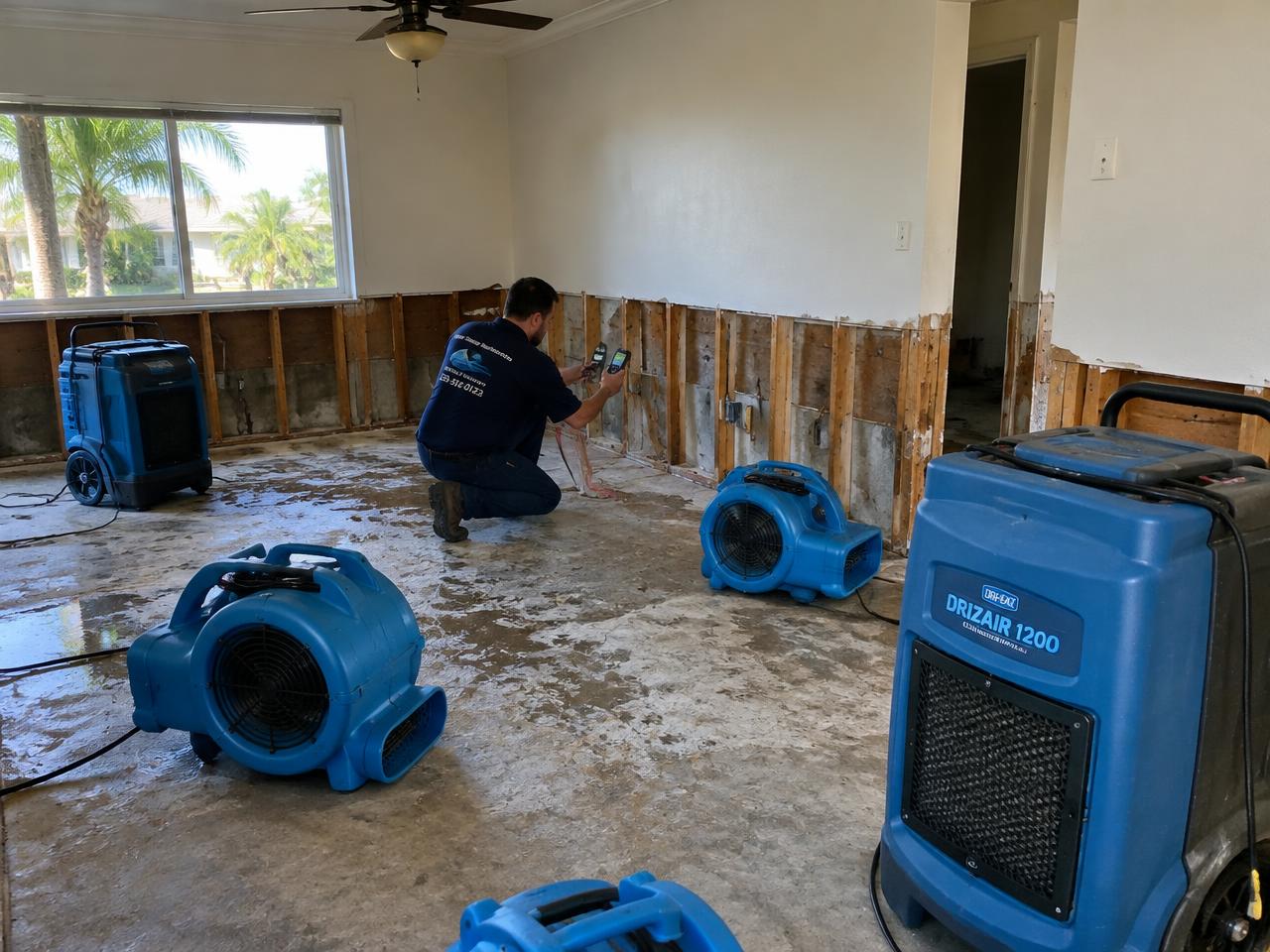
Having an upstairs or interior laundry room is a sought-after feature in many modern Florida properties. Rather than walking out to a hot garage, being able to complete laundry near living areas or bedrooms adds tremendous convenience. However, interior and second-floor laundry installations carry distinct risks. A sudden hose burst, drain backup, or valve failure can send dozens of gallons of water into living areas, ceilings below, and wall cavities. In Florida's warm, humid climate, that moisture can spur mold colonization within 24 to 48 hours if not managed quickly.
React Immediately If You Spot a Leak
If you notice any moisture around your laundry appliance, swift action is essential. Every homeowner should know where both the washing machine shut-off valves and the home's main water supply valve are located. Turning off the supply stops the flow immediately and minimizes structural damage. While wiping up surface puddles with towels helps, moisture that seeps under baseboards or penetrates subflooring may require professional water damage restoration equipment to fully dry before secondary damage sets in.
Upgrade to High-Quality Braided Hoses
Standard rubber hoses deteriorate over time due to constant water pressure, temperature changes, and mineral buildup. When a rubber line fails, it often bursts completely, releasing gallons of water per minute. Replacing older lines with braided stainless steel supply hoses dramatically reduces the risk of rupture. In addition, check that your washing machine sits inside a properly plumbed drain pan that directs overflow water safely outside or into a dedicated drain line.
Install Automatic Shutoff Valves and Sensors
Modern plumbing technology offers reliable safety nets for laundry spaces. Automatic water shut-off systems utilize floor sensors positioned near the appliance. If the sensor detects standing water, the electronic valve immediately shuts down the water supply to the machine, stopping an overflow before it turns into a catastrophic flood. Many smart sensors can also notify your phone, allowing you to react even when you are away from the room.
Never Run Appliances While Away from Home
It is always tempting to start a load of wash right before heading out to run errands or going to work, but running water-dependent appliances unattended poses a serious hazard. If a supply line cracks or a drain pipe backs up while the home is empty, water can flow unchecked for hours. For the best protection against interior flooding, only run your washing machine when someone is home to catch drips or unexpected noises early.
Taking simple preventive steps safeguards your home from structural deterioration and expensive repairs. If your laundry area has already suffered an overflow or you suspect moisture has migrated into adjacent walls, contact our team to evaluate structural moisture levels and verify whether professional mold remediation is required to keep your indoor environment clean and dry.