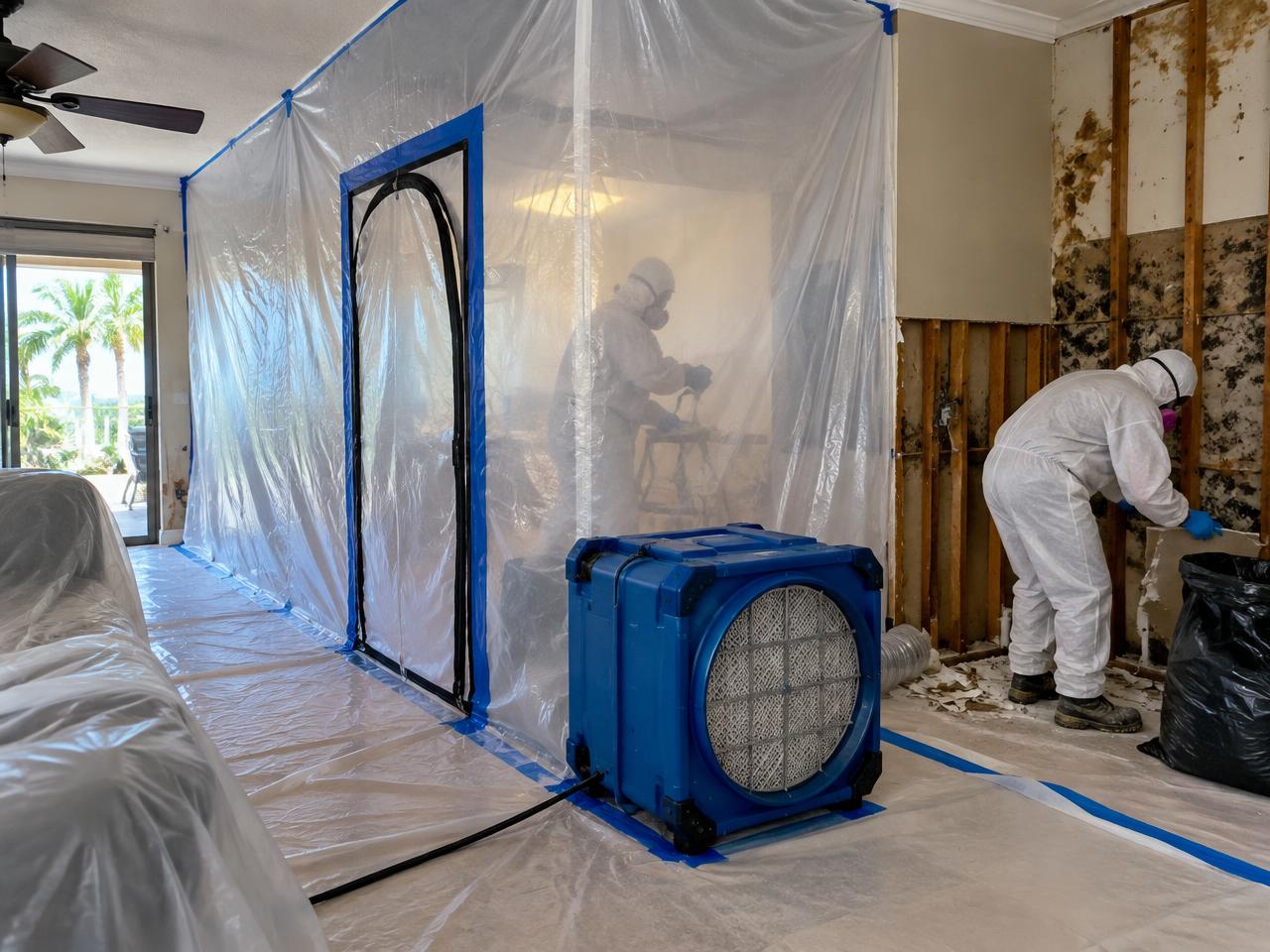
Tropical storms and hurricanes require property owners across Florida to be proactive rather than reactive. Taking steps to minimize water intrusion before landfall can prevent structural degradation and expensive secondary issues. When storm surge or torrential rainfall breaches a building envelope, professional water damage restoration is often required, but early preparation significantly reduces your risks.
1. Elevate and Anchor Crucial Utilities
Outdoor and ground-level mechanical equipment should be secured well ahead of a storm. In coastal and low-lying parts of Florida, storm surge and street flooding easily compromise electrical panels, outdoor air conditioning condensers, generator hookups, and propane tanks. Ensure wiring and outlets near slab level are inspected, and consider raising critical systems above base flood elevation to prevent electrical shorts and corrosion.
2. Protect Ground-Level Living Areas and Garages
Because most Florida homes are built on concrete slabs rather than basements, the primary risk of rising water occurs on the ground floor, in garages, and through exterior doorways. Deploy sandbags or flood barriers around exterior access doors and sliding patio doors. If your property utilizes a perimeter drainage system or sump pit for low-lying patios, test backup battery power sources beforehand, as utility outages are standard during severe tropical weather.
3. Clear Gutters and Downspouts Immediately
Florida downpours can deliver several inches of rain per hour during a tropical cyclone. If roof gutters, scuppers, or downspouts are clogged with palm fronds, pine needles, or debris, water backs up directly under the eaves and shingles. This overflow frequently enters exterior wall cavities, soaking drywall and insulation where hidden dampness leads to rapid fungal growth that later requires containment and mold remediation.
4. Elevate Valuables and Porous Furniture
Standing water quickly wicks into porous furnishings, such as upholstered sofas, area rugs, and particleboard cabinetry. Before winds pick up, move delicate furniture, electronics, and rugs off ground floors or elevate them onto masonry blocks. In multi-story residences, moving high-value items to upper floors offers substantial protection against localized flooding.
5. Secure Vital Documents and Insurance Papers
Store essential records—including birth certificates, deeds, and current flood and homeowner insurance policies—in watertight, portable containers. Take clear photographs and video of your home's pre-storm condition, room by room, to substantiate any claims. Remember that many standard Florida homeowner policies exclude floodwaters and often enforce a strict $10,000 sublimit on subsequent mold claims, making prompt documentation critical.
If your property experiences water intrusion following a tropical storm, rapid drying is critical to stop microbial growth before it spreads. For professional moisture mapping and property recovery assistance, contact Ahold of Mold Environmental.