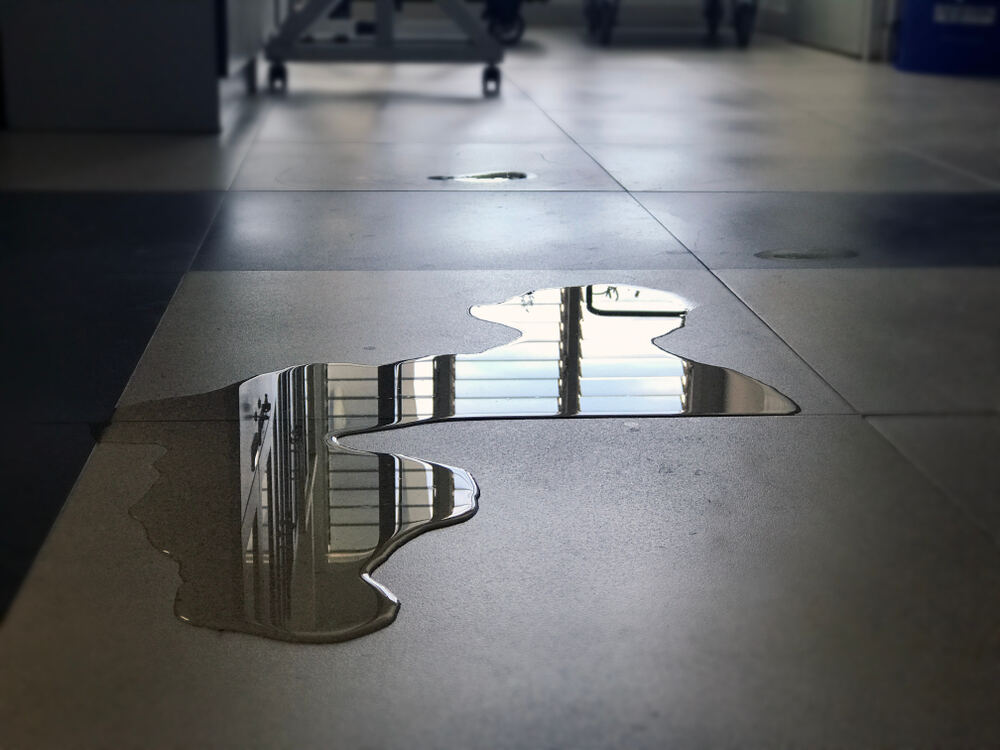
Water damage is one of the most common and costly issues Florida property owners face. Whether caused by an unexpected plumbing line rupture, an air conditioner condensation backup, or wind-driven rain from a severe storm, water intrusion can quickly compromise building materials and spark secondary moisture concerns. When a leak occurs, navigating your insurance claim accurately and promptly is vital to funding necessary repairs.
Understanding Your Florida Insurance Policy
Before an emergency strikes, take time to review your policy terms and declarations page. Water coverage varies significantly across carriers, and Florida policies often carry strict guidelines regarding how and when losses must be reported.
Types of Water Damage Generally Covered
Standard homeowner policies usually distinguish between unexpected failures and long-term deterioration. Commonly covered perils include:
- Sudden and Accidental Discharges: A ruptured supply line under a sink, a burst water heater tank, or an unexpected appliance overflow.
- Storm-Related Water Intrusion: Water entering after wind creates an opening in a roof, window, or siding during tropical storms or severe weather.
Common exclusions or limitations include:
- Gradual Damage: Unaddressed pinhole pipe leaks, chronic shower pan seepage, or long-standing condensation behind drywall are frequently denied as lack of routine maintenance.
- Rising Floodwaters: Standard homeowner policies exclude rising water, storm surge, and ground flooding. These require a separate policy through the National Flood Insurance Program (NFIP) or a private flood carrier.
- Mold Sublimits: Many Florida homeowner policies enforce a standard $10,000 sublimit for mold testing and remediation resulting from a covered water loss, making fast mitigation crucial.
Deductibles and Limits
Review whether your loss falls under your standard “all other perils” (AOP) deductible or a separate, higher hurricane deductible if the leak stemmed from a named tropical event.
Immediate Steps to Take After Discovering a Water Leak
Quick, measured action helps protect your home from extensive structural degradation while establishing a clear record for your adjuster.
1. Stop the Water Source
Immediately shut off your home's main water valve if the source is pressurized plumbing. If the leak stems from ceiling or roof damage following heavy rains, contain the water with buckets and use temporary tarps where safe to do so.
2. Document Everything Thoroughly
Before throwing away damaged drywall, saturated rugs, or broken pipe components, take extensive high-resolution photos and videos. Capture wide shots of the room, close-ups of standing water, and clear pictures of the failed plumbing part. This visual catalog serves as primary evidence when presenting your claim.
3. Mitigate Further Damage
Florida insurance contracts include a duty to mitigate, meaning policyholders must take reasonable steps to prevent additional loss. Mop up pooling water, elevate furniture onto blocks, and begin structural drying. Engaging professional water damage restoration technicians ensures structural cavities are dried using commercial dehumidifiers and air movers before microbial growth takes hold.
4. Notify Your Carrier Promptly
Report the incident to your insurance provider as soon as practical. Explain the timeline honestly, outline the emergency steps you took to prevent further harm, and obtain your claim number along with the assigned adjuster's contact details.
Working with the Insurance Adjuster
Once you open the claim, the carrier will dispatch an adjuster to evaluate the cause of loss and calculate an initial repair estimate.
Be Prepared and Present
Walk the adjuster through every affected space, point out hidden moisture tracking along baseboards, and provide copies of your initial photos and mitigation receipts. Never assume the adjuster will notice every water mark.
Obtain an Independent Assessment
Insurers' initial estimates often miss hidden structural dampness behind walls or beneath flooring. Bringing in an independent licensed inspector for objective moisture mapping or mold testing provides verifiable data on moisture levels, helping ensure your settlement covers true restoration costs.
Handling Disputed or Underpaid Claims
If your claim is denied or the proposed settlement falls short of the repair estimates, you have options:
- Request a Written Denial: Review the carrier's formal explanation citing specific policy clauses.
- Provide Supplemental Documentation: Moisture logs, thermal imaging reports, and itemized contractor scopes can be submitted for a supplemental review.
- State Mediation or Public Assistance: The Florida Department of Financial Services offers a free property insurance mediation program for disputed residential claims. Alternatively, policyholders often consult licensed public adjusters or insurance attorneys for complex disputes.
Preventing Recurrent Water Intrusion
Proactive care significantly reduces the risk of water damage and future claims disputes:
- Inspect air conditioning drain lines monthly and clear them of algae build-up, as clogged condensate lines are a leading source of residential indoor water leaks in Florida.
- Replace standard rubber washing machine hoses with braided stainless steel lines.
- Check roof flashing, window caulking, and exterior stucco joints annually before the Atlantic hurricane season begins.
- Install smart water shutoff valves or leak sensors near water heaters, dishwashers, and washing machines.
Experienced Environmental Support for Florida Homes
Navigating water damage requires quick, reliable expertise. At Ahold of Mold Environmental, we are a family-owned company operating since 1996, holding active Florida licenses for both Mold Assessment (MRSA3074) and Mold Remediation (MRSR4581). Whether you need unbiased post-leak moisture mapping or containment-based mold remediation, we adhere strictly to Florida Chapter 468 licensing standards to protect your property and indoor air quality.
If you have experienced a plumbing leak or storm intrusion in Central Florida, call our team at (386) 492-1288. For properties in Broward County and the greater Fort Lauderdale area, reach our South Florida specialists at (954) 281-2666, or contact us online to schedule an inspection.