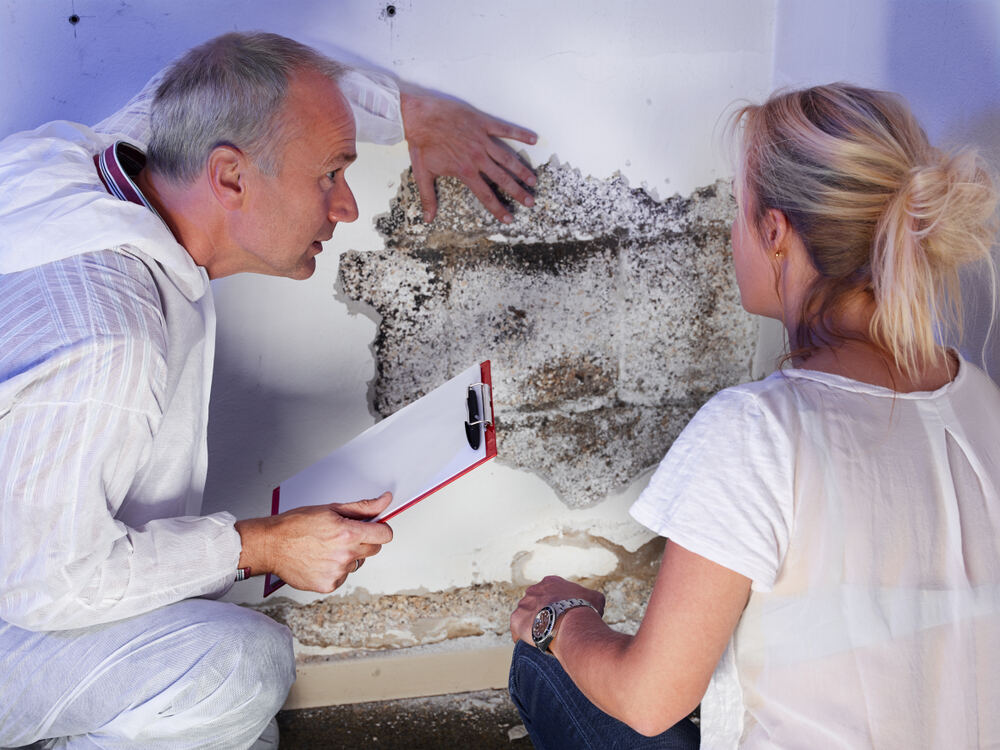
If you have been suffering from chronic allergy-like irritation in your home, it might be time to consider whether your living environment is the culprit. In Florida's warm, humid climate, indoor factors such as hidden fungal growth, dust mites, pet dander, and stagnant air can rapidly trigger or worsen indoor allergies.
Pay Attention to When Symptoms Flare Up
The first step in determining if your house is causing your symptoms is tracking their timing and location. Common signs of indoor environmental irritation include sneezing, coughing, itchy or watery eyes, sinus congestion, and throat irritation. A telltale sign of an indoor environmental issue is that symptoms worsen after spending extended time at home and improve when you go to work, travel, or spend time outside.
Consider Your Indoor Environment and Humidity
Take a closer look at your indoor environment to identify potential moisture reservoirs. In Florida, high ambient humidity can penetrate the building envelope, creating ideal breeding grounds for allergens. Dust mites thrive in warm, humid bedding, carpets, and upholstery, while pet dander accumulates on soft surfaces and recirculates through your HVAC system. Keeping indoor relative humidity below 50% to 55% using properly sized air conditioning and supplemental dehumidification is essential for suppressing dust mites and microbial activity.
Inspect for Hidden Mold and Moisture
Elevated mold spore counts are among the most common causes of indoor allergic reactions. Unlike dust, mold requires an active moisture source to propagate. In Florida homes, common problem areas include air handler closets, bathroom drywall, window sills subjected to condensation, and areas beneath kitchen sinks.
Look for telltale indicators such as musty smells, peeling paint, discolored drywall, or water stains. If you have experienced past plumbing leaks, storm-driven rain, or AC drain line overflows, water damage restoration and thorough drying are crucial to prevent fungal growth from taking hold inside wall cavities.
Clean, Dust, and Control Particulates
Regular maintenance can substantially lower indoor allergen loads:
- Vacuum frequently using a cleaner equipped with a certified HEPA filter to prevent particles from blowing back into the air.
- Wash bedding and draperies in hot water weekly to minimize dust mite populations.
- Groom pets regularly and keep their sleeping areas clean.
- Change HVAC air filters every 30 to 60 days, opting for filters with adequate MERV ratings suited for your system.
Improve Air Circulation and Filtration
Stand-alone HEPA air purifiers can help capture airborne particulates such as pollen, pet dander, and circulating spores in primary living spaces and bedrooms. However, air purifiers only clean the air passing directly through them; they cannot resolve an underlying moisture problem or eliminate an established mold colony behind drywall or inside air ducts.
Schedule Professional Indoor Air Quality and Mold Testing
If thorough cleaning does not alleviate your indoor symptoms, scheduling professional mold testing or a healthy home assessment is the most definitive way to identify the source. A state-licensed mold assessor uses moisture meters, infrared thermal imaging, and calibrated air sampling to evaluate spore concentrations compared to outdoor baseline levels.
If testing confirms elevated spore counts or active colonization, a licensed specialist can outline a protocol for targeted mold remediation to resolve the contamination safely.
Contact Ahold of Mold Environmental
Family-owned and operating in Florida since 1996, Ahold of Mold Environmental holds dual licensing for mold assessment (MRSA3074) and mold remediation (MRSR4581). Whether you need an inspection in Central Florida (Volusia, Flagler, and Brevard counties) at (386) 492-1288, or in Fort Lauderdale and Broward County at (954) 281-2666, contact our team today to schedule an on-site inspection and take control of your indoor air quality.