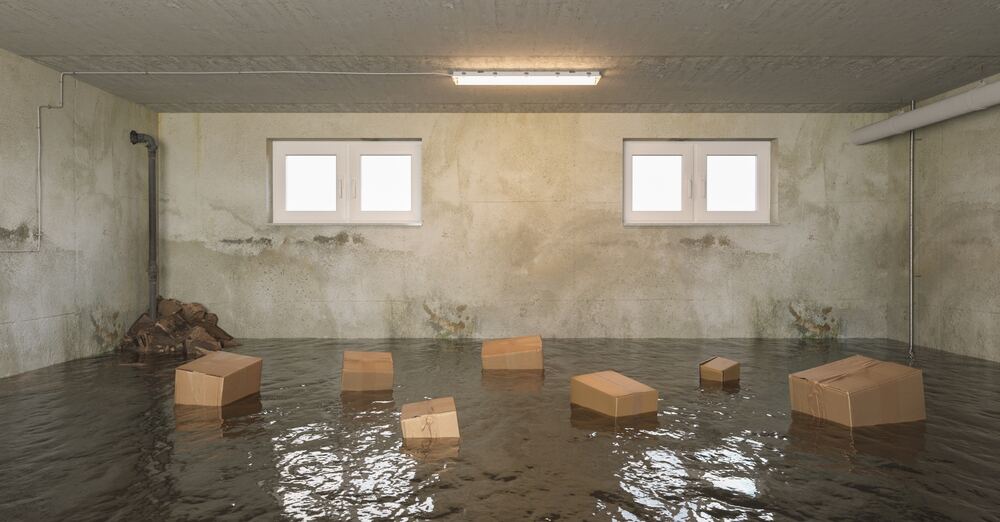
Water damage is one of the most urgent property emergencies a homeowner can face, compromising both interior finishes and structural framing. Whether triggered by an air conditioning condensate overflow, a failed plumbing fitting, or heavy rains during hurricane season, water intrusion must be addressed aggressively to prevent long-term structural decay and microbial amplification.
Step 1: Assess the Extent of the Water Damage
The first critical step in addressing water intrusion is determining the true perimeter and depth of the moisture. In Florida homes, water frequently travels unseen along concrete slab foundations, behind baseboards, and up porous drywall.
- Surface Inspection: Look for visible clues such as discolored ceiling patches, bubbling latex paint, swollen door jambs, and cupping floorboards.
- Structural Inspection: Check concealed cavities behind kitchen cabinets, vanities, and drywall partitions where moisture often settles out of sight.
- Evaluate Safety Hazards: Before stepping into standing water, disconnect power to the affected circuits at the main breaker to prevent electrical shock. Take care around water-logged ceiling drywall, which can buckle and collapse under the weight of trapped water.
Step 2: Remove Standing Water
Extracting bulk standing water immediately reduces the volume of moisture that can wick into structural framing and floor assemblies.
- Small Amounts of Water: A heavy-duty wet/dry vacuum equipped with appropriate filters works well for minor puddles. Empty and clean the canister frequently.
- Larger Floods: For deeper pooling caused by severe roof breaches or appliance failures, submersible pumps or commercial truck-mounted extraction units are needed to evacuate water before it saturates subfloors.
- Absorb Residual Moisture: Use clean towels or absorbent pads around baseboards and along tile-to-wood transition strips to keep edges from swelling.
Step 3: Dry Out the Area
Extracting water is only half the battle; thoroughly drying the building envelope is what stops structural deterioration. In Florida's subtropical climate, secondary damage from high indoor humidity is a major risk.
- Climate Control: Keep windows and doors closed to block hot, humid outdoor air. Run the central air conditioning system to assist with cooling and baseline moisture removal.
- Commercial Air Movers and Dehumidifiers: Set up high-velocity fans to pull moisture out of materials and industrial-grade low-grain refrigerant (LGR) dehumidifiers to condense that airborne moisture and pump it away.
- Verify with Moisture Meters: Never guess if a wall is dry based on touch alone. Professional restoration relies on non-penetrating and pin-style moisture meters to confirm that wood studs, concrete, and drywall have returned to acceptable dry standards before closing cavities up.
Step 4: Clean and Sanitize the Area
Water intrusion often deposits contaminants, silt, or bacteria, especially when water originates from outdoor runoff, toilet backups, or stagnant drain lines.
- Disinfect Hard Surfaces: Non-porous surfaces such as tile and concrete should be thoroughly sanitized using EPA-registered antimicrobial solutions designed for water loss scenarios. Avoid relying on household bleach on porous framing, as it does not reliably eliminate deep fungal hyphae in wood.
- Apply Antimicrobials: Treat exposed framing and masonry with an approved botanical or quaternary disinfectant to suppress bacterial proliferation during the active drying phase.
- Discard Contaminated Porous Goods: Saturated carpet padding, blown-in cellulose attic insulation, and acoustic tiles cannot be effectively sanitized after water damage and should be removed and discarded responsibly.
Step 5: Remove and Replace Compromised Materials
Some materials lose their integrity permanently once soaked or present too high of a mold risk to salvage.
- Drywall and Insulation: Saturated drywall loses structural cohesion and acts as an ideal food source for fungi. Cut away water-wicked drywall at least 12 to 24 inches above the high-water line, and discard wet fiberglass or mineral wool batt insulation behind it.
- Flooring Assemblies: Engineered hardwoods and laminate planks usually swell and delaminate when wet. Tile over a wet concrete slab may trap water underneath, requiring targeted extraction mats or selective floor removal to allow the slab to dry completely.
- Ceilings: Any ceiling drywall showing water stains, bowing, or sag should be punctured carefully to drain trapped water, then removed back to sound, dry framing.
Step 6: Repair Structural Elements
Persistent moisture can weaken load-bearing wood studs, rust steel structural fasteners, and degrade subflooring. Always address structural repairs carefully before putting cosmetic finishes back in place.
- Check Framing Integrity: Inspect wood sill plates and wall studs for wood rot or fungal degradation. Ensure concrete stem walls and slabs have dried down to equilibrium moisture content.
- Seal Exterior Envelopes: If water penetrated your home through stucco cracks, sliding door tracks, or roof flashing, seal and waterproof those entry points before performing interior rebuilds.
- Consult a Specialist: If structural joists, trusses, or load-bearing lintels show significant deflection or rot, work with a licensed contractor or structural engineer to install proper sistering or reinforcements.
Step 7: Address and Prevent Mold Growth
In Florida, mold remediation and water damage mitigation go hand in hand. If drying is delayed or dampness lingers inside wall assemblies, active colonies of molds such as Aspergillus, Penicillium, or Stachybotrys can take hold quickly.
- Conduct Professional Mold Testing: If materials stayed wet for more than 48 hours or if a persistent musty odor develops, a licensed mold assessor can collect air and surface samples to verify whether mold amplification has occurred.
- Follow Industry Standards: When mold is discovered over an area larger than 10 square feet, Florida law requires strict protocols under Chapter 468. Containment, negative air pressure, and HEPA air scrubbing ensure spores do not cross-contaminate unaffected living spaces.
- Hire a Licensed Team: Turn to a certified firm for comprehensive mold remediation rather than attempting to paint over damp, active mold growth.
Step 8: Rebuild and Restore Affected Areas
Once moisture levels are documented as normal and the structure is certified dry, restoration can commence.
- Install Moisture-Resistant Materials: When re-hanging walls in moisture-prone rooms, consider mold-resistant drywall (green or purple board) and moisture-resistant floor underlayments.
- Prime and Paint: Seal newly taped and sanded drywall with a high-grade antimicrobial primer before applying interior finish coats.
- Check Mechanical Systems: Ensure air conditioning drain pans are clean, drain lines are clear, and your evaporator coils are balanced to manage your home's daily relative humidity effectively.
Preventing Future Water Damage in Florida
Being proactive about water maintenance protects your home investment and spares you the hassle of major repairs down the road:
- Service AC Condensate Lines: Algae build-up in air conditioning drain lines is one of the most common causes of home flooding in Florida. Clear condensate lines regularly and install an inline float switch to shut the unit off if the drain clogs.
- Inspect Supply Lines: Replace rubber washing machine hoses and plastic toilet supply lines with braided stainless steel lines.
- Maintain Roof and Flashing: Schedule inspections after major windstorms to identify slipped shingles, cracked tiles, or compromised sealant around pipe boots.
- Maintain Yard Grading: Ensure flowerbeds and hardscapes slope away from your foundation slab to prevent exterior rainwater from ponding against exterior walls.
When to Call a Professional
While minor spills can be mopped up easily, widespread water intrusion requires commercial-grade extraction, continuous psychrometric monitoring, and specialized drying tools to safeguard your home's air quality and framing.
You should bring in a professional if:
- Water has soaked into multiple rooms, subfloors, or drywall cavities.
- The loss involves sewage backup, storm surge, or contaminated drain water.
- Materials remained wet longer than 48 hours without commercial drying equipment.
- Musty odors or visible mold discoloration are present.
Call Ahold of Mold Environmental for Water Damage Restoration
For property owners across Central Florida and South Florida who need reliable, certified solutions for water intrusion and mold concerns, Ahold of Mold Environmental delivers proven expertise. Family-owned and operated since 1996, our team holds dual Florida state licenses as a Mold Assessor (MRSA3074) and Mold Remediator (MRSR4581).
We combine advanced diagnostics, thermal imaging, and disciplined restoration practices to stabilize your home, prevent secondary mold growth, and return your living space to a clean, healthy state. If your home has suffered a leak, pipe failure, or storm-related intrusion, contact Ahold of Mold Environmental today to schedule an inspection and protect your property.