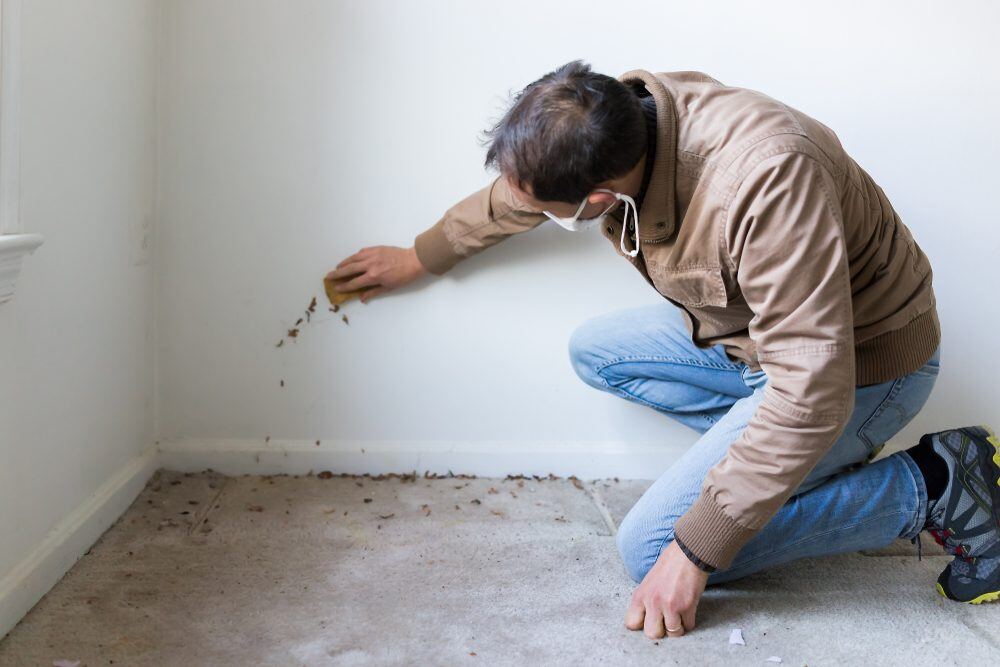
Maintaining a safe and structurally sound living environment is essential for homeowners. One of the most common threats to indoor property in Florida is mold. Often developing out of sight inside wall cavities and air conditioning closets, fungal growth proliferates in warm, humid conditions and can cause significant structural and indoor air quality issues if left unaddressed.
Why Mold Detection is Crucial in Florida
Mold spores are naturally present in outdoor air, but our subtropical climate—marked by severe rainstorms, tropical weather systems, and elevated relative humidity across Central Florida and South Florida—provides the exact moisture mold needs to thrive indoors. When mold establishes itself on porous building materials such as drywall, framing lumber, or subflooring, it breaks down the material over time. Early detection protects your property and helps you take corrective action before extensive building repairs become necessary. Engaging an experienced, state-licensed inspection team like Ahold of Mold Environmental ensures hidden moisture reservoirs are identified accurately.
Common Signs of Mold in Your Home
Being proactive about identifying indoor mold requires knowing what physical indicators to monitor throughout your living spaces:
1. Visible Mold Growth
One of the most obvious signs is visible discoloration on walls, ceilings, baseboards, or cabinetry. Mold can appear in a wide range of colors, including black, green, gray, white, and orange, often presenting as powdery, speckled, or velvety patches. In Florida residences, pay particular attention to moisture-prone zones such as:
- Bathrooms (especially around tub surrounds, tile grout, and vanity plumbing)
- Air handler closets and supply plenum returns
- Laundry rooms and behind washing machines
- Under kitchen and bathroom sinks
- Around exterior door frames and window sills impacted by wind-driven rain
2. Water Damage
Prior or ongoing moisture intrusion is the primary precursor to microbial amplification. Common indicators include:
- Discolored yellowish-brown rings on ceilings or drywall
- Warped, soft, or cupping wood flooring and swollen baseboards
- Peeling, bubbling, or cracked paint and vinyl wallpaper
Whenever moisture penetrates porous building materials, prompt investigation is crucial. If the issue stems from an active pipe leak or roof intrusion, professional water damage restoration helps extract water and dry structural components before spores can multiply.
3. Persistent Musty Odors
A lingering earthy or sour smell often signals hidden fungal activity, even when surfaces appear clean. This odor is caused by microbial volatile organic compounds (mVOCs) released during active mold digestion. If you notice a musty scent whenever your HVAC system cycles on or when entering an enclosed room, scheduling professional mold testing is advisable.
4. Indoor Air Discomfort
Poor indoor air quality caused by elevated spore loads frequently triggers discomfort among occupants. Family members may report eye irritation, sneezing, throat tickles, or congested breathing that noticeably improves when leaving the house for work or school. Tracking whether these physical reactions correlate with specific rooms helps locate hidden microbial pockets.
5. High Indoor Humidity and Condensation
Condensation collecting on window glass, metal vent registers, or cold water lines indicates an indoor relative humidity problem. Florida indoor humidity should remain consistently between 30% and 50%, and should never exceed 60%. Oversized or poorly maintained AC systems often cool the air without adequately removing moisture, allowing moisture-loving organisms to take hold.
6. Previous Storm Surge or Roof Intrusion
Homes that have weathered hurricane conditions, severe roof leaks, or flash flooding carry an elevated risk of concealed contamination. Floodwater and wind-driven rain frequently wick upward into wall assemblies and insulation, creating sheltered microclimates ideal for mold growth.
How to Inspect Your Home for Concealed Moisture
Accurate mold detection combines careful visual inspection with specialized moisture instrumentation:
1. Conduct a Thorough Visual Walkthrough
Routinely inspect areas where plumbing lines pass through walls and floors. Check behind refrigerators with water dispensers, under sinks, and inside HVAC mechanical closets. Use a bright flashlight to inspect dark corners and examine the underside of composite shelving.
2. Advanced Diagnostic Tools
Licensed assessors employ diagnostic equipment to locate moisture traps behind finished walls without causing unnecessary demolition:
- Moisture Meters: Pin and pinless meters measure moisture content within drywall, subfloors, and framing lumber against baseline standards.
- Thermal Imaging Cameras: Infrared technology detects evaporative cooling signatures, revealing active leaks and missing insulation within ceilings and wall cavities.
3. Professional Mold Assessment
While over-the-counter swab kits are sold in hardware stores, they lack scientific controls and frequently yield ambiguous results without laboratory air volume data. Working with a state-licensed mold assessor (Florida Chapter 468 Part XVI) provides objective laboratory analysis, including spore counts, species identification, and an actionable protocol if remediation is needed.
Steps to Take If You Discover Mold
1. Avoid Agitating the Area
Never scrub large areas of visible mold with dry brushes, household bleach, or high-pressure fans. Agitation detaches millions of microscopic spores into the air, allowing them to cross-contaminate previously clean rooms and your HVAC ductwork.
2. Hire a Licensed Remediation Specialist
When professional cleanup is required, engage a licensed remediator. Under Florida law, independent assessment and remediation practices ensure work is executed ethically according to industry standards like the IICRC S520. Professional mold remediation involves setting up critical containment barriers under negative air pressure, running HEPA air scrubbers, carefully removing non-salvageable porous components, and applying antimicrobial agents to structural surfaces.
3. Complete Clearance Testing
Before containment barriers are dismantled, a post-remediation verification (clearance inspection) should be performed by a licensed mold assessor to confirm indoor spore levels have returned to normal, healthy baselines.
Preventing Mold in Florida Properties
Controlling moisture is the cornerstone of mold prevention in our coastal environment:
- Repair Plumbing Faults Immediately: Address dripping supply lines, faulty toilet seals, and drain pan backups right away.
- Maintain HVAC Systems: Clean condensate drain lines regularly, change filters monthly, and ensure your system is properly sized for humidity removal.
- Ventilate High-Moisture Rooms: Run exhaust fans during and for twenty minutes after showering, and ensure clothes dryers vent outdoors rather than into an attic.
- Evaluate Overall Home Health: A comprehensive healthy home assessment can pinpoint ventilation deficiencies, infiltration paths, and building envelope concerns before moisture problems escalate.
Protecting Your Florida Home
Detecting mold early preserves your property value and ensures clean indoor air for your family. Ahold of Mold Environmental has been family-owned and operated since 1996, holding dual Florida state licenses as a Mold Assessor (MRSA3074) and Mold Remediator (MRSR4581). Whether you suspect an active HVAC leak or notice a lingering odor after a storm, our team provides reliable, transparent diagnostics across Central and South Florida.
If you suspect mold growth in your residence, take action today. Contact our team to schedule an assessment and protect your home with proven environmental solutions.