One of the most important investments you will make is purchasing a home. Due to the financial commitment and your family's daily living environment, you want to ensure the property is structurally sound and free from hidden hazards. One critical safeguard during a real estate transaction or after a severe storm is scheduling a professional mold inspection. Many property owners wonder what is included in an assessment and what drives the overall cost.
What Is Included in a Mold Inspection?
During a comprehensive evaluation, a state-licensed mold assessor conducts several specific investigative steps. A primary component is a visual inspection. The inspector examines common moisture-prone areas throughout the property, including attic spaces, crawl spaces, under-sink cabinetry, wall cavities near plumbing runs, and around air handling units that generate heavy condensation during Florida's humid summers.
Because mold spores are microscopic and growth often begins inside hidden cavities, professional mold testing is frequently integrated into the assessment. An assessor will gather ambient outdoor baseline samples alongside indoor air samples to determine if indoor spore counts are elevated. When visible growth or suspicious staining is detected, surface swabs or tape lift samples can also be collected and sent to an accredited laboratory for genus identification.
What Determines the Cost of a Mold Inspection?
The total cost of a residential mold inspection varies according to several key factors:
- Scope of the Inspection: A baseline visual assessment without sampling is less labor-intensive, while a full diagnostic assessment incorporating multiple indoor air samples and surface testing increases overall laboratory and equipment expenses.
- Size of the Property: Larger homes require more time to evaluate and generally necessitate a higher volume of air samples to establish an accurate profile across multiple living zones and HVAC systems.
- Accessibility and Structural Complexity: Multi-story layouts, tight attic trusses, or enclosed crawl spaces require specialized equipment and extra investigative time.
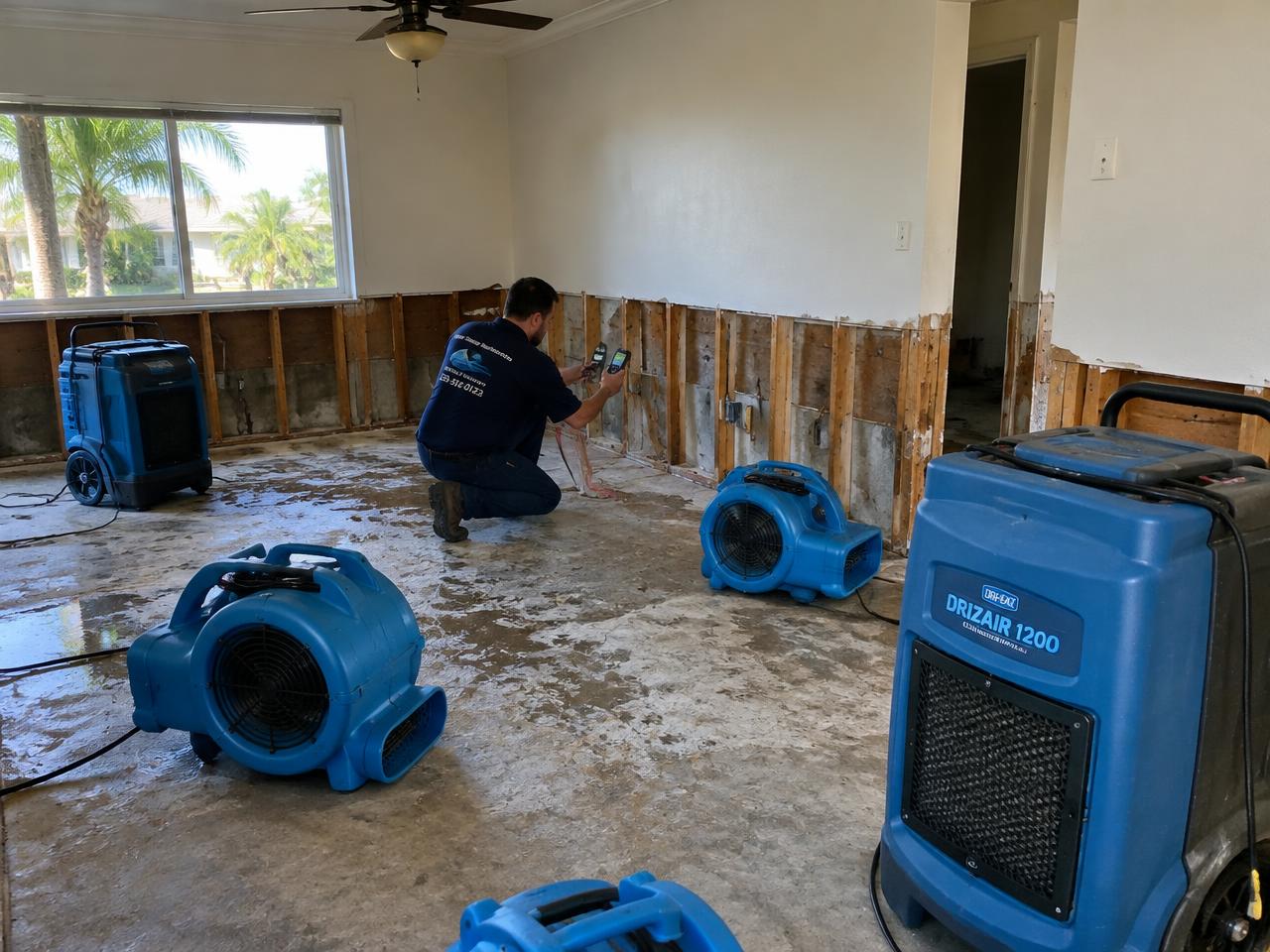
- Diagnostic Tools: Comprehensive evaluations often utilize infrared thermal imaging cameras and moisture meters to pinpoint active leaks behind drywall without causing unnecessary damage.
If an inspection reveals elevated mold levels requiring correction, having a detailed assessment report allows you to obtain a clear scope of work for subsequent mold remediation. Investing in a professional assessment by a licensed Florida mold assessor (MRSA) provides the objective data necessary to protect your property and make informed decisions.
If you suspect moisture problems or are evaluating a new property, you can also explore a broader healthy home assessment or contact our team to discuss inspection options suited to your home's layout.