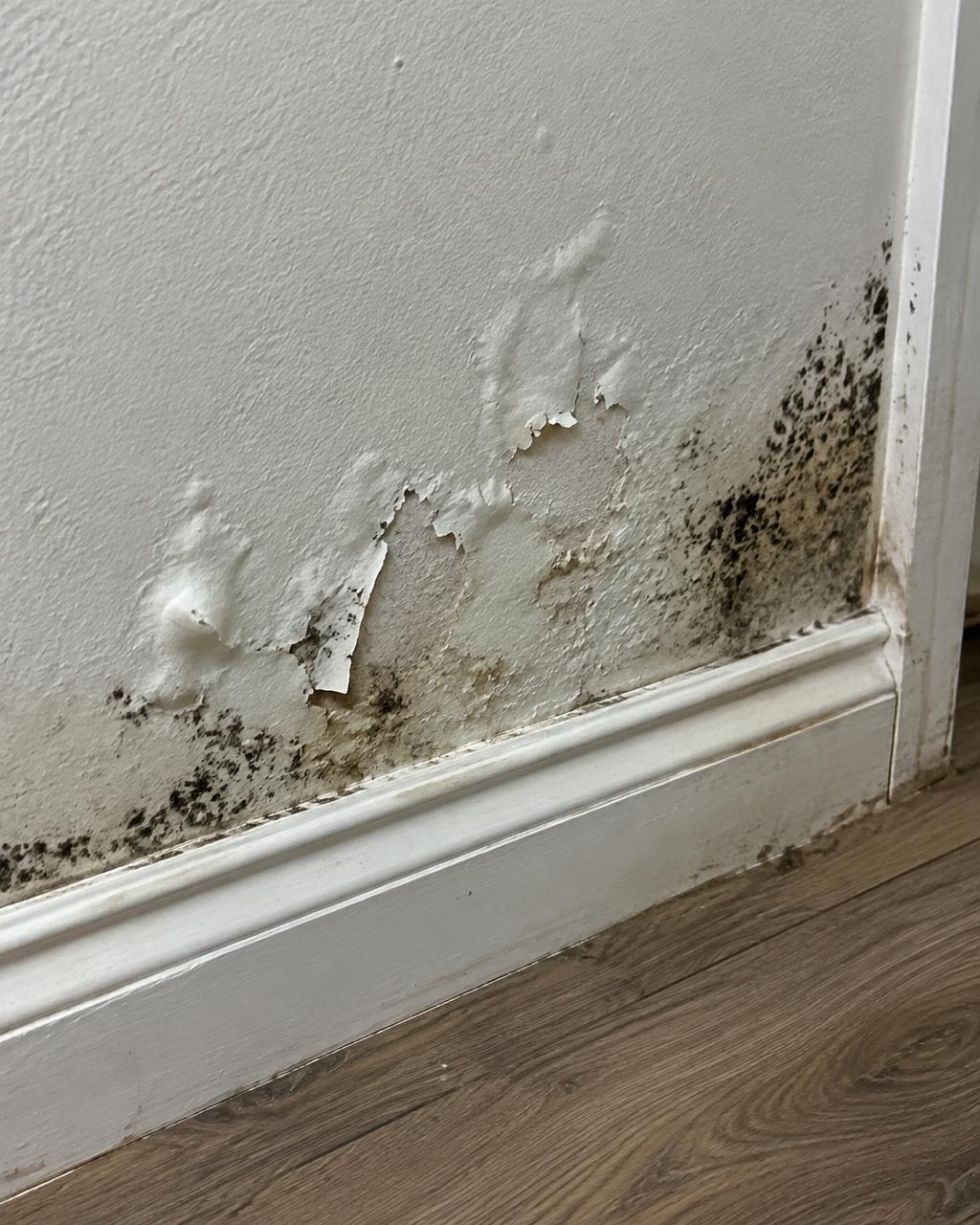
Mold is an unappealing issue that causes surface discoloration, creates persistent musty odors, and damages organic building materials like drywall and baseboards. Beyond structural concerns, mold has a profound impact on the atmosphere you breathe every day. Indoor air quality is critical to home comfort, and in humid climates, unchecked microbial growth can degrade it rapidly. Understanding how mold travels and affects indoor environments is the first step toward maintaining clean, balanced air in your home.
Mold and Your Home's Air Quality
Mold is a fungus that reproduces by releasing microscopic airborne spores. These spores drift through air currents and colonize indoor surfaces whenever they encounter moisture, warmth, and an organic food source. While mature mold colonies on ceilings or behind baseboards are visible, individual mold spores are microscopic and remain completely invisible without laboratory magnification.
Because Florida homes remain closed up with central air conditioning running almost year-round, contaminants cannot easily ventilate outdoors. When spores enter return vents, the HVAC system redistributes them continuously into living rooms, bedrooms, and home offices. In addition to physical spores, active colonies release microbial volatile organic compounds (MVOCs), which create that telltale damp, pungent smell often associated with water intrusion.
When airborne spore concentrations rise significantly above outdoor background levels, residents often notice upper respiratory irritation, eye itching, sinus congestion, or frequent sneezing. For individuals with asthma, allergic sensitivities, or existing pulmonary conditions, degraded air quality can trigger heightened irritation and discomfort.
Common Indoor Mold Sources in Humid Climates
Mold issues rarely happen in isolation; they are almost always driven by excess moisture. In Central and South Florida, several common culprits degrade indoor air:
- Air handler condensation: Clogged condensate drain lines and uninsulated ductwork create standing water and dew points inside air conditioning closets.
- Plumbing leaks: Slow supply line leaks behind washing machines, kitchen sinks, and vanities can saturate drywall undetected for weeks.
- Roof and window intrusion: Wind-driven rain during tropical storms often penetrates window flashing or roof penetrations, damping insulation in attic spaces.
Investigating and Resolving Poor Air Quality
If you notice persistent musty smells or suspect elevated fungal levels in your living spaces, schedule a professional mold testing inspection. Under Florida Chapter 468 Part XVI licensing regulations, an independent, licensed mold assessor evaluates moisture intrusion, utilizes calibrated air pumps, and sends samples to an accredited laboratory to determine the exact spore counts and fungal genera present.
Once assessment identifies the active moisture source and maps the scope of growth, a licensed specialist performs contained mold remediation. Proper remediation utilizes HEPA-filtered air scrubbers, negative air pressure containment, and antimicrobial cleaning to eliminate colonization without spreading particulates through your duct system. If a broader environmental review is needed, a comprehensive healthy home assessment can pinpoint ventilation deficiencies and humidity imbalances across your property.
Protect Your Florida Living Spaces
Family-owned and operating since 1996, Ahold of Mold Environmental provides licensed mold assessment (MRSA3074) and remediation (MRSR4581) services. Whether you suspect hidden moisture in Central Florida or need a certified inspection in Fort Lauderdale, our experienced technicians can evaluate your indoor environment and help you restore clean, breathable indoor air. Contact our team today to schedule an air quality consultation for your home.