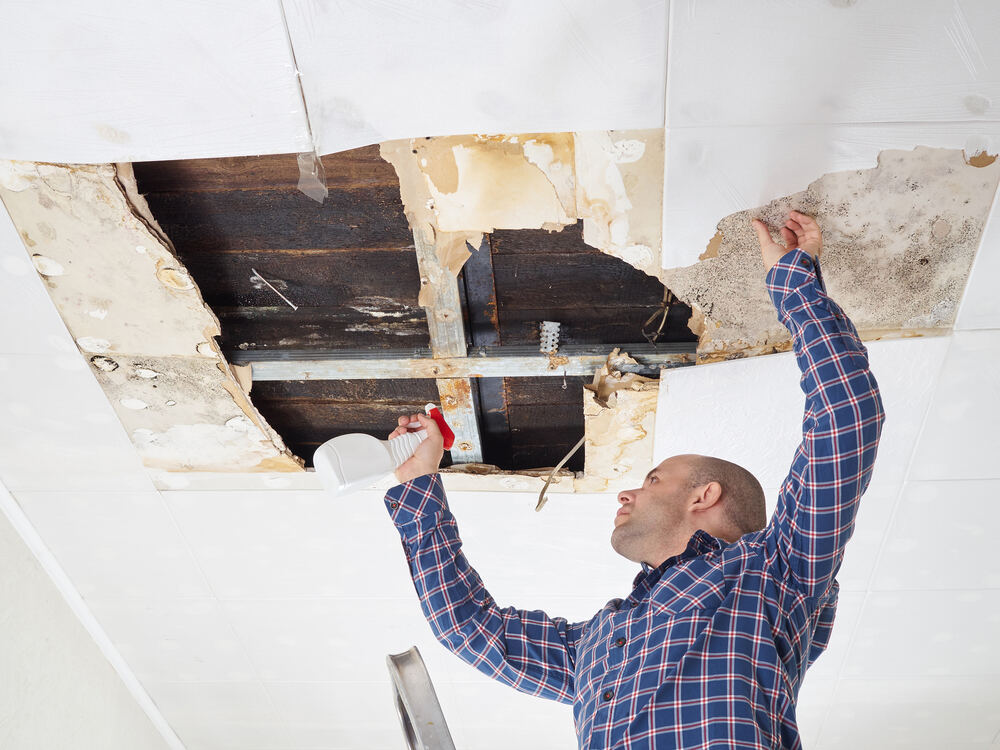
Mold on your bathroom ceiling is a frustrating and unsightly issue common in coastal and humid climates. Bathrooms naturally produce steam and elevated moisture levels, making ceiling drywall an easy target for fungal spores. If left unaddressed, persistent moisture can deteriorate drywall, compromise interior finishes, and diminish your indoor air quality.
Identifying the Root Cause of Bathroom Ceiling Mold
Before scrubbing the surface, it is essential to determine where the moisture originates. In Florida homes, ceiling mold is typically driven by one of several common moisture sources:
- Inadequate Ventilation: Bathrooms lacking an exhaust fan, or those with undersized or clogged vents, trap warm, moist air after showers.
- Thermal Condensation: Cold ceiling drywall—often chilled by attic air conditioning ducts directly above—creates rapid condensation when hot shower steam hits it.
- Attic or Roof Moisture: Leaking roof flashings or sweating AC condensate lines in the attic space above can seep downward into ceiling drywall.
- Plumbing Leaks: Second-story bathrooms or supply lines above the ceiling can leak slowly, saturating the gypsum board from the top down.
If the ceiling feels spongy, sagging, or shows widespread brown water rings alongside dark spots, the moisture source is likely hidden above the ceiling rather than simple surface humidity.
Steps to Clean Surface Mold from a Bathroom Ceiling
For minor surface mold confined to a small area without structural drywall damage, you can clean the surface using proper precautions:
- Wear Protective Gear: Put on non-porous gloves, eye protection, and an N95 respirator mask to minimize contact with airborne spores while disturbing the surface.
- Improve Air Circulation: Open windows if outdoor humidity permits, or run the exhaust fan to maintain airflow out of the room during cleaning.
- Clean the Drywall: Wash the surface with a solution of warm water and mild detergent or an EPA-registered cleaner designed for indoor surfaces. Avoid saturating the drywall, as excess water weakens gypsum and paper backing.
- Avoid Relying Solely on Bleach: Standard household bleach can damage paint finishes and generally does not penetrate porous drywall materials where mold roots anchor.
- Dry the Ceiling Completely: Use fans or a portable dehumidifier to ensure the ceiling dries rapidly and thoroughly after cleaning.
Preventing Mold from Returning to Your Bathroom
In Florida's subtropical climate, long-term mold control requires consistent humidity management. Implement these practices to protect your bathroom surfaces:
- Run Your Exhaust Fan Correctly: Turn on your exhaust fan before turning on the shower, and leave it running for at least 20 to 30 minutes after bathing to clear residual humidity.
- Verify Exterior Venting: Ensure your exhaust fan vents completely outside the home and does not discharge into your attic space, which can create severe hidden moisture problems.
- Inspect Plumbing and Ductwork: Check attic insulation over the bathroom to ensure cool AC ducts are properly wrapped, preventing moisture from dripping onto ceiling drywall.
- Apply Mold-Resistant Paint: When repainting, use high-quality primers and satin or semi-gloss paints formulated with antimicrobial agents that resist fungal growth in humid rooms.
When to Seek Professional Assistance
If bathroom ceiling mold covers a large area, returns repeatedly despite cleaning, or is accompanied by musty odors throughout your home, it is time for a professional assessment. Ahold of Mold Environmental has provided family-owned, licensed environmental services since 1996. Our team holds dual Florida licenses for Mold Assessment (MRSA3074) and Mold Remediation (MRSR4581), ensuring strict compliance with Florida Chapter 468 professional standards.
Whether you need diagnostic mold testing to identify hidden attic leaks or comprehensive mold remediation to safely remove contaminated drywall, our technicians serve residential and commercial properties across Central Florida and Fort Lauderdale and South Florida. Contact Ahold of Mold Environmental today to schedule an inspection and restore clean, balanced air to your home.