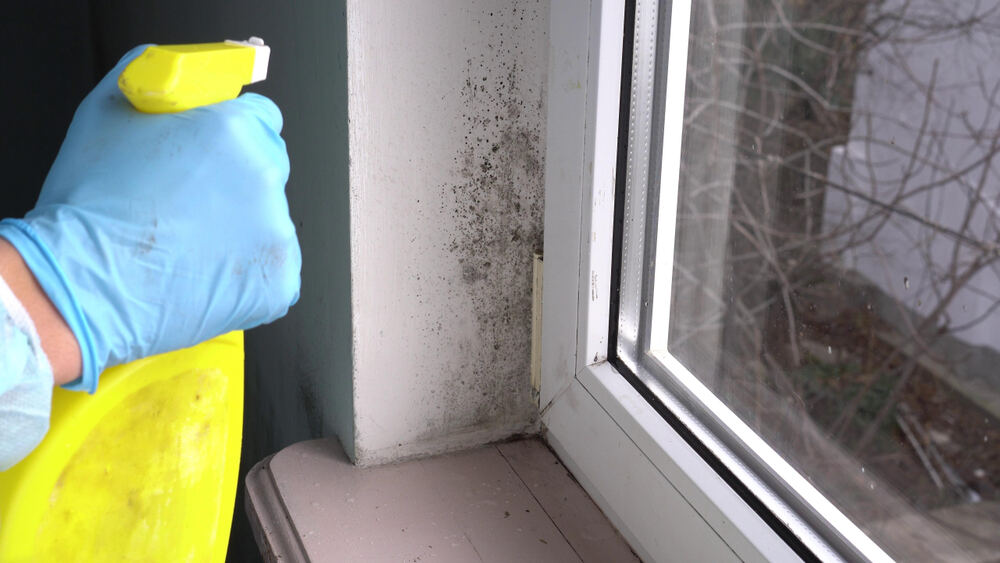
Mold is more than just an unsightly surface blemish; it can undermine building materials and compromise indoor air quality when moisture issues go unresolved. Identifying and addressing moisture intrusion early is essential to safeguarding your property. Engaging a licensed professional for professional mold testing provides objective data, clear documentation, and actionable guidance.
Why Mold Testing Matters in Florida
Mold spores require moisture, oxygen, and an organic food source to flourish. In Central Florida and South Florida, persistent coastal humidity, heavy summer downpours, and intense air conditioning usage create frequent moisture imbalances. Cooling systems cycling constantly can generate duct condensation, and tropical storm activity can push water past building envelopes. If left unaddressed, fungal amplification can damage drywall, trim, and subflooring.
Scheduling an independent assessment is critical because:
- It Pinpoints Hidden Sources: Mold is not always visible on baseboards or ceilings. Objective testing identifies concealed colonies inside wall cavities, beneath flooring, and throughout air handling equipment.
- It Identifies Specific Spore Types: Laboratory analysis reveals the dominant genera present—such as Aspergillus, Penicillium, or Stachybotrys—helping determine how aggressively building materials have been colonized.
- It Establishes an Actionable Baseline: Testing combines calibrated air sampling with physical lift samples to measure indoor spore counts against outdoor baselines, establishing a clear protocol if professional mold remediation is required.
Signs You Need Mold Testing
Because fungal growth often develops out of sight, property owners should watch for common warning signs indicating elevated indoor moisture:
- Persistent Musty Odors: A continuous damp smell that intensifies when your air conditioning runs often indicates colonization within return plenums or behind walls.
- Past Water Damage or Plumbing Leaks: Supply line failures, roof leaks from severe weather, or condensation drain line backups frequently trigger microbial growth if drying was incomplete.
- Discoloration on Surfaces: Dark spots, powdery patches, or staining around supply vents and baseboards warrant formal sampling to determine whether growth is active.
- Physical Discomfort Indoors: Noticeable respiratory irritation or congestion that eases when leaving the property can point toward elevated airborne particulate levels.
How to Test for Mold: Professional Methods vs. DIY Kits
When investigating potential microbial issues, property owners often consider over-the-counter home test kits before contacting a licensed professional. Understanding the difference in reliability is vital for protecting your investment.
DIY Mold Testing Kits
Pros:
- Inexpensive and widely available at home improvement retailers.
Cons:
- Settle plates simply collect spores naturally present in all ambient air, producing growth even in clean environments.
- They do not measure airborne volume or concentration levels.
- Lack of chain-of-custody protocols makes them inadmissible for real estate transactions, insurance claims, or legal documentation.
Professional Mold Testing
Licensed mold assessors (governed under Florida Chapter 468 Part XVI) follow standardized scientific protocols to evaluate your indoor environment accurately:
- Visual and Moisture Inspection: Assessors use thermal imaging cameras and calibrated moisture meters to track water pathways and structural dampness.
- Calibrated Air Sampling: Air pumps draw precise volumes of air across collection cassettes, allowing an independent AIHA-accredited laboratory to compare indoor spore counts with outdoor ambient baselines.
- Surface Sampling: Tape lifts, swabs, or bulk samples confirm whether visible discoloration consists of active fungal structures.
- Formal Written Report: You receive an exhaustive report outlining specific laboratory findings, moisture readings, and a protocol for correction.
The Real Risks of Unchecked Moisture and Mold
Understanding what mold does to building assemblies underscores why accurate, early detection matters for homeowners throughout Florida.
Property and Structural Damage
Fungi feed on cellulose-based components, including drywall paper backing, wooden framing, ceiling tiles, and carpet tack strips. Over time, prolonged colonization rots wood, destabilizes gypsum boards, and can lead to costly structural replacements. Quick intervention through proper water damage restoration and assessment stops this degradation before structural integrity is compromised.
Indoor Air Quality Degradation
When colonies expand inside HVAC systems or interior cavities, everyday air circulation distributes microscopic spores, fragments, and volatile organic compounds (VOCs) across living areas. Sensitive occupants, individuals with asthma, and those with compromised immune systems may experience heightened allergy symptoms, sinus irritation, or coughing when spore levels remain high.
How Professional Testing Protects Your Property
A certified mold evaluation provides objective evidence rather than guesswork. Here is how that protects your residence:
Accurate Identification Without Unnecessary Demolition
Using non-invasive diagnostic tools, a licensed assessor evaluates moisture gradients behind tiled showers, under cabinetry, and within ceilings to pinpoint affected zones without causing needless structural damage.
Clear Remediation Protocols
If testing reveals elevated indoor spore counts, your assessor drafts a comprehensive protocol outlining containment requirements, negative air pressure standards, and material removal guidelines. This document ensures remediation contractors follow clear, verifiable boundaries.
Clear Documentation for Real Estate and Insurance
Florida property transactions and insurance carriers often require formal proof of a property's environmental condition. Standard Florida homeowner policies often apply specific sublimits (commonly $10,000) for mold claims. Having licensed laboratory documentation protects your legal standing and verifies the scope of loss.
Licensed Mold Assessment from Ahold of Mold Environmental
At Ahold of Mold Environmental, we have provided comprehensive environmental inspection and moisture diagnostics since 1996. We maintain dual Florida state licensing as a Mold Assessor (MRSA3074) and Mold Remediator (MRSR4581), giving our team deep technical insight into how fungal amplification behaves in coastal and subtropical climates.
From Volusia, Flagler, and Brevard counties in Central Florida to our regional service team in Fort Lauderdale and Broward County, we evaluate single-family homes, multi-story condominiums, and commercial facilities with detailed, honest assessments.
How to Schedule Your Inspection
Do not wait for musty smells or water stains to worsen. Taking decisive action prevents small plumbing leaks and humidity spikes from turning into major restoration projects:
- Reach Out to Our Team: Contact us online or call our Central Florida office at (386) 492-1288 or our South Florida office at (954) 281-2666.
- On-Site Evaluation: Our state-licensed assessor conducts an exhaustive physical and environmental inspection.
- Lab-Verified Reporting: Receive a clear, easy-to-read report detailing all laboratory findings, moisture readings, and recommended next steps.