Are you worried that your laundry room smells musty, baseboards are beginning to swell, or you have noticed discoloration spreading along your ceiling after a heavy afternoon downpour? You have good reason to be concerned. Hidden water damage can quickly compromise a Florida home.
Water intrusion strikes Florida properties in several ways—from aging plumbing lines and leaking air conditioning drain pans to wind-driven rain during hurricane season. The outcome is often the same: expensive structural repairs, complicated insurance claims, and rapid microbial growth if left unaddressed. Detecting water damage early is essential to protecting your property and budget.
Wet Spots, Staining, and Cracking
What begins as a hairline crack or slight brownish ring on your drywall can point to a slow pipe leak or compromised roof flashing. Pay close attention to discoloration on ceilings, especially beneath second-floor bathrooms or attic spaces.
In Florida attics, roof leaks can saturate blown-in insulation and damage ceiling trusses long before water drips through the drywall below. Dark spots or damp rafters indicate an urgent need for an inspection.
Pooling Water and Floor Buckling
Have you dealt with a recurring puddle near your refrigerator, dishwasher, or AC closet? An ongoing drip beneath an appliance or inside a wall cavity will continually migrate across subflooring.
Because most Florida homes are built on concrete slab foundations, moisture under floor coverings has nowhere to go. Damp carpets, cupping hardwood, lifting vinyl planks, and loose tile grout are hallmark indicators of slab moisture intrusion or broken under-slab supply lines.
The Sound of Running or Dripping Water
Some leaks hide deep within wall cavities or subfloors where visual inspection is difficult. In quiet hours, listen for faint hissing, dripping, or trickling sounds near bathrooms, laundry rooms, or utility closets. An unexplained hum from your plumbing when all faucets are closed usually points to an active leak.
Unexplained Spikes in Utility Bills
A sudden, unexplained jump in your monthly water bill often signals a concealed leak. Regularly check behind toilets, under kitchen and bathroom sinks, and around your water heater for signs of dampness, mineral buildup, or corrosion around valves and flexible supply hoses.
Damp, Musty Odors
Your sense of smell is one of the most reliable diagnostic tools for detecting moisture. Persistent earthy or sour smells indicate that moisture is lingering behind walls, under cabinetry, or beneath flooring materials. In Florida's subtropical climate, elevated indoor humidity accelerates fungal growth, making early professional mold testing essential when odors are detected without a visible source.
Professional Water Damage Assessment and Restoration
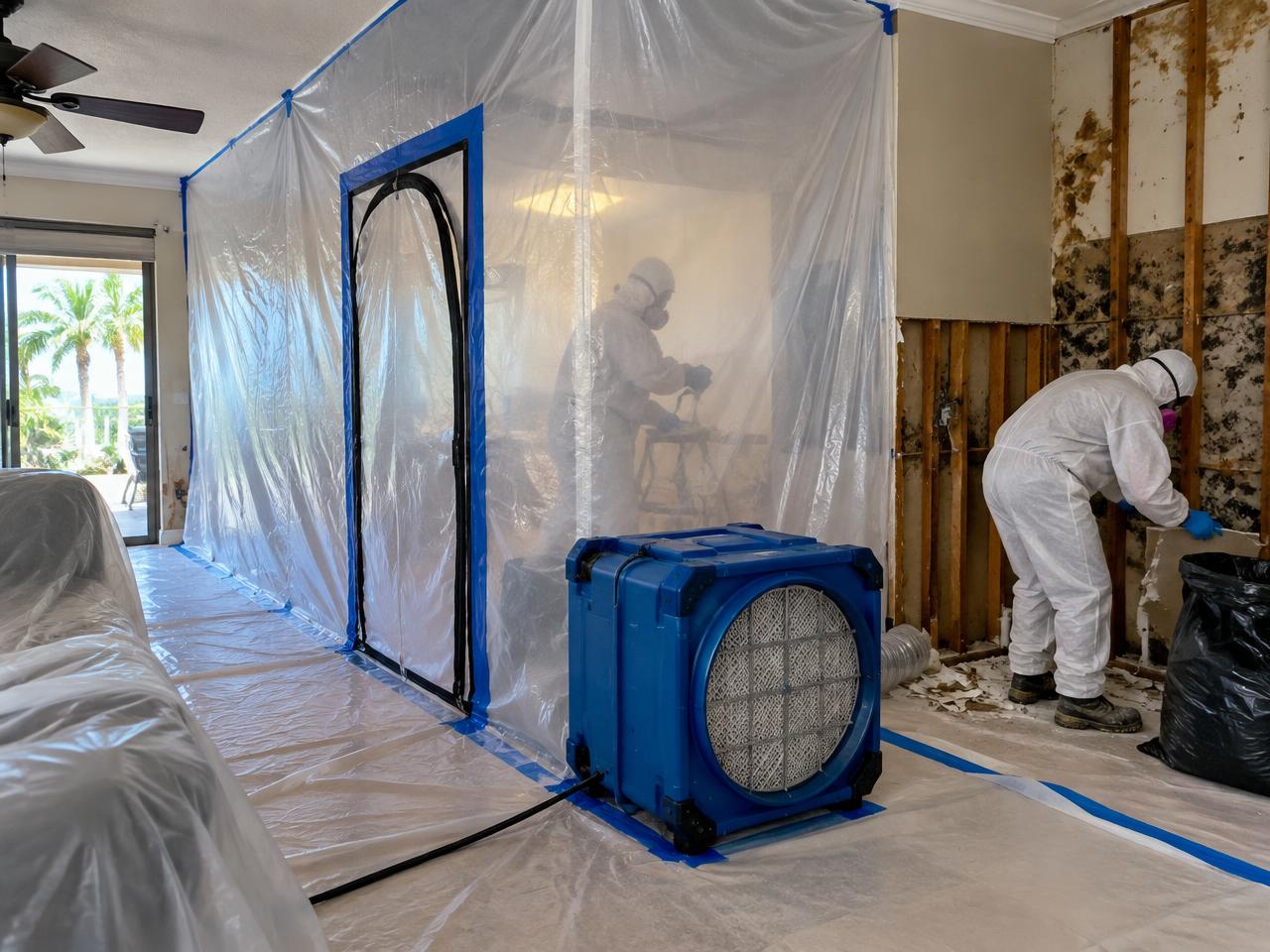
While DIY cleanup may handle surface puddles, trapped moisture inside wall cavities and subfloors requires professional drying equipment, moisture meters, and thermal imaging to properly locate and dry. Leaving moisture behind can result in structural rot and extensive mold colonization.
At Ahold of Mold Environmental, our licensed specialists provide comprehensive water damage restoration and licensed mold remediation across Central Florida (386-492-1288) and South Florida (954-281-2666). Family-owned since 1996, we hold Florida Mold Assessor (MRSA3074) and Mold Remediator (MRSR4581) licenses to protect your property from top to bottom. Contact us today to schedule a moisture inspection.