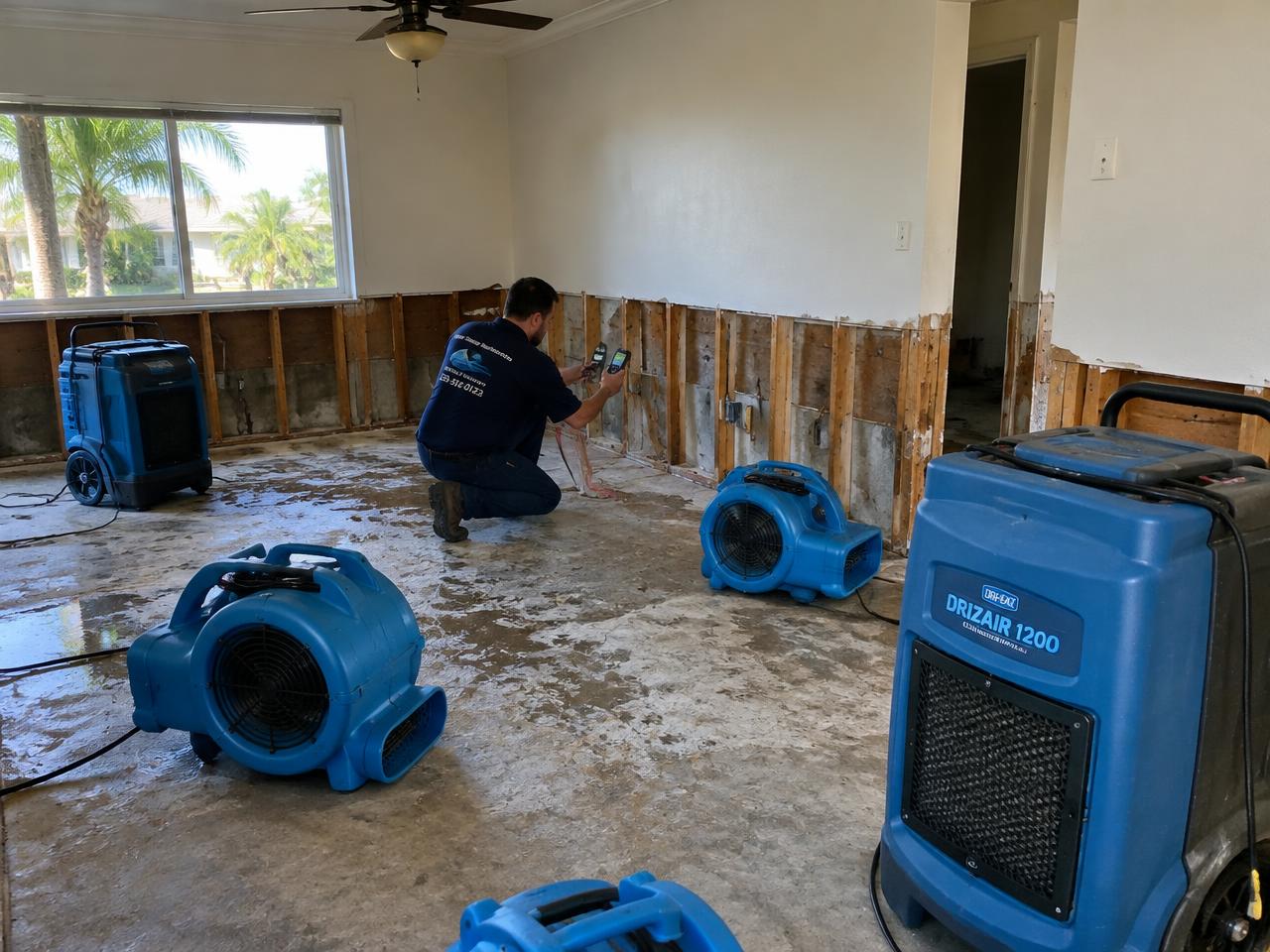
If you are considering a home purchase, an independent mold inspection is a crucial step in your due diligence. Before closing on the property, you want to ensure the indoor environment is safe for your family to occupy and avoid surprise repair expenses. A dedicated mold testing and assessment service reveals hidden issues so you can make informed decisions before your inspection contingency period expires.
What Is Mold and Why Is It Common in Florida Homes?
Mold is a type of fungus that thrives in warm, humid conditions. In Florida’s subtropical climate, elevated indoor humidity, past tropical storms, and constant air conditioning create prime conditions for fungal growth. When spores find moisture on organic materials such as drywall, framing, or baseboards, colonies can begin developing within 24 to 48 hours, degrading structural materials and affecting indoor air quality.
How Can Homeowners Prevent Mold Growth?
Because mold requires moisture to colonize, indoor climate and moisture control are critical. Florida homeowners should:
- Keep indoor relative humidity levels below 55% using properly sized air conditioning and supplemental dehumidifiers.
- Use exhaust fans during and after showers and while cooking.
- Ensure roof flashings, window caulking, and exterior stucco are maintained to prevent water intrusion.
- Address plumbing leaks and air conditioner drain line clogs immediately through prompt water damage restoration.
Why Is a Specialized Mold Inspection So Important Before Buying?
Standard home inspections evaluate general conditions, but they rarely include comprehensive air sampling or thermal imaging for hidden moisture. Mold often hides in places buyers cannot readily see—such as inside HVAC plenums, behind tiled shower enclosures, within crawl spaces, or beneath attic insulation. A professional assessment conducted by a licensed Florida Mold Assessor (MRSA) uncovers these concealed problems and provides objective lab analysis so you understand the true condition of the home.
Indoor Air Quality and Mold Concerns
Indoor mold growth can aggravate allergic reactions, cause eye, nose, and throat irritation, and trigger asthma symptoms in sensitive individuals. Prolonged indoor dampness and poor air circulation can also create persistent, unpleasant musty odors that linger on furnishings and personal belongings.
When Should You Schedule a Mold Inspection During Due Diligence?
You should arrange a professional mold inspection if:
- The standard home inspection notes evidence of past plumbing leaks, roof stains, or high moisture meter readings.
- You detect a musty or damp odor when entering the property, even if surfaces appear clean or freshly painted.
- The property has experienced hurricane flooding, roof damage, or was vacant with the air conditioning turned off for extended periods.
- You or family members have respiratory sensitivities or severe allergies.
Who Should You Call for a Mold Inspection?
Always choose a state-licensed, insured company with certified inspectors. Family-owned and operated since 1996, Ahold of Mold Environmental provides professional mold inspections, testing, and mold remediation services across Central Florida (phone: 386-492-1288) and South Florida (phone: 954-281-2666). Contact us today to schedule an inspection before you finalize your home purchase.