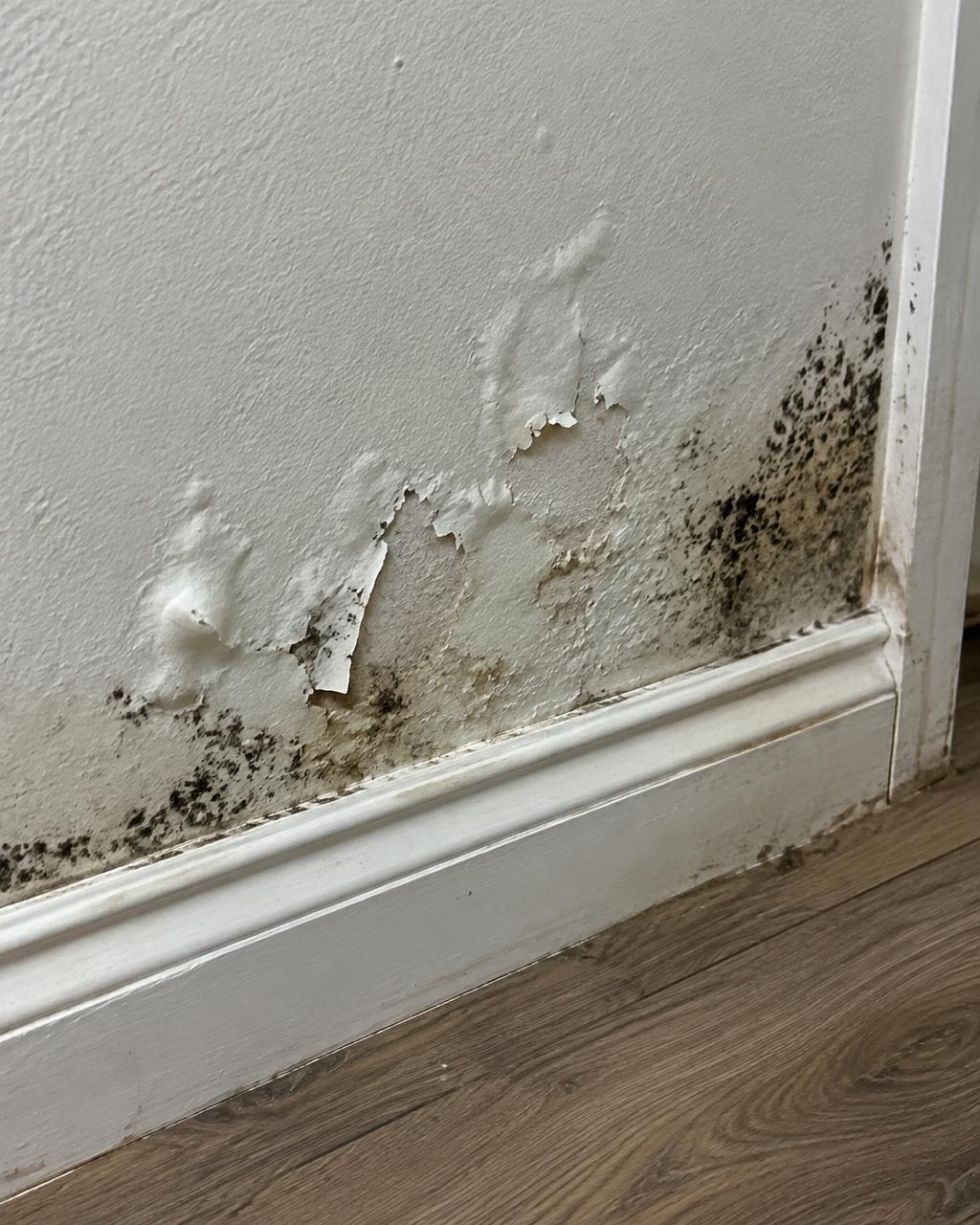
While traditional basements are rare across Florida due to our high water table, lower-level utility rooms, split-level living areas, and ground-floor storage spaces are exceptionally susceptible to mold. In these spaces, ambient darkness and cooler air mix with elevated moisture levels, often going unnoticed compared to main living areas. When addressing moisture problems, property owners must understand how ground-level moisture operates in Florida's sub-tropical environment.
Moisture near foundation level can stem from multiple sources: capillary action drawing water through concrete slabs, plumbing leaks from washing machines and water heaters, or high ambient relative humidity. When left unchecked, fungal growth can compromise structural drywall, ruin flooring, and spread airborne spores throughout the HVAC system.
Common Sources of Lower-Level Moisture and What to Do
One frequent culprit is condensation. In Florida, warm, humid outdoor air easily infiltrates lower ground areas. When this damp air meets cooler concrete slabs, condensation forms on floors and cold-water pipes. Running a dedicated, properly sized dehumidifier helps maintain indoor relative humidity below 50%. If you install luxury vinyl plank or wood laminate over a concrete slab, always ensure a suitable vapor barrier is in place.
During Florida's rainy season and hurricane season, heavy tropical downpours can lead to localized ground flooding and standing water. Moisture that lingers in lower-level rooms quickly saturates porous materials like cardboard boxes, carpeting, tack strips, and baseboards, creating ideal conditions for rapid fungal colonization. Prompt water damage restoration is essential to extract standing water and dry structural components before mold takes hold.
If your property has experienced water intrusion, DIY cleanup with household fans is rarely sufficient. Professional contractors utilize industrial air movers, commercial desiccant dehumidifiers, and HEPA air scrubbers to dry out hidden pockets of moisture trapped behind walls and beneath flooring. A thorough mold testing assessment can also determine whether microbial growth has spread beyond the visible perimeter.
Exterior landscaping and grading also play a major role. Soil around your foundation should slope away from exterior walls to prevent rainwater pooling against the structure. Inspect exterior stucco and foundation perimeters for settling cracks, and seal gaps with appropriate masonry waterproof sealants to stop water from migrating indoors.
Addressing fungal growth promptly is essential to protect your property's value and indoor environmental quality. If you suspect hidden fungal colonization or need professional mold remediation, contact Ahold of Mold Environmental today to speak with our licensed Florida specialists.