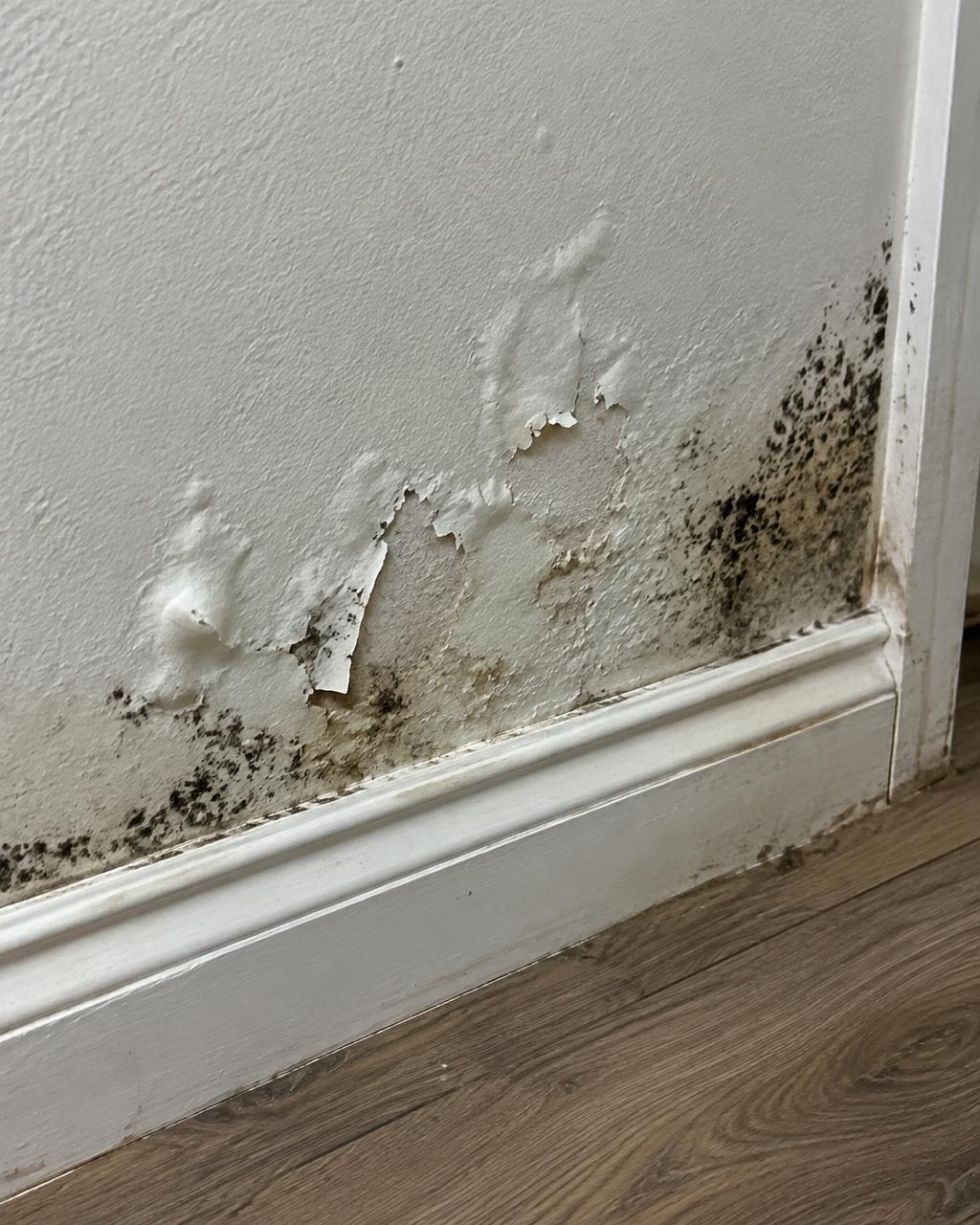
When intense tropical weather systems and heavy downpours sweep across Florida, local drainage systems and coastal waterways can quickly become overwhelmed. From sudden flash floods in low-lying communities across Fort Lauderdale and Broward County to storm-surge flooding along Central Florida coastlines, standing water inside a residential or commercial building demands immediate intervention.
The Dual Hazard: Floodwaters and Florida Humidity
Unlike regions where cool weather slows down microbial activity, Florida offers prime incubation conditions year-round. When storm runoff penetrates building envelopes, concrete slabs, and exterior doorways, indoor relative humidity quickly spikes to 80 percent or higher. If storm activity downs power lines and disables central air conditioning systems, the combination of standing water and stagnant heat allows fungal colonies to germinate on damp wallboard, insulation, and cabinetry within 24 to 48 hours.
Floodwaters also carry organic matter, silt, and outdoor contaminants. As porous materials such as drywall and baseboards wick moisture upward, secondary microbial growth can spread rapidly into wall cavities that appear dry on the surface.
Key Steps for Post-Storm Water Damage Recovery
Property owners dealing with storm runoff and intrusion should execute a methodical recovery plan to safeguard their health and property:
- Verify Electrical Safety: Never enter standing water if power lines are compromised or outlets are submerged. Shut off the main breaker only if the panel can be accessed safely without standing in water.
- Document Visible Losses: Take detailed photographs and video of flood waterlines, damaged furnishings, flooring, and structural components prior to moving or discarding any items for insurance claim verification.
- Initiate Rapid Extraction: Standing water must be removed quickly using commercial-grade pumps and extractors. Calling a certified crew for water damage restoration halts ongoing wicking and speeds the drying timeline.
- Establish Controlled Dehumidification: Standard household fans merely circulate humid air. Structural drying requires commercial low-grain refrigerant (LGR) dehumidifiers and targeted air movers to draw trapped moisture out of framing and masonry.
Evaluating for Hidden Moisture and Mold
Once surface waters are pumped out, structural materials may retain elevated moisture levels undetectable to the eye. Utilizing calibrated moisture meters and thermal imaging cameras ensures that wall cavities, subflooring, and crawl spaces have returned to dry standard baselines before closing up repairs.
Under Florida Chapter 468 Part XVI, mold assessment and mold remediation are legally separated to protect consumers from conflicts of interest. Engaging a state-licensed mold assessor for post-flood mold testing ensures you receive an unbiased inspection and written protocol before any containment or remediation begins. If active colonization is confirmed, an independently licensed contractor can perform targeted mold remediation to restore a safe indoor environment.
Whether you are dealing with seasonal storm flooding in Central Florida or torrential rainfall across South Florida, Ahold of Mold Environmental provides licensed moisture assessments, mold inspections, and water damage guidance. Reach our Central Florida team at (386) 492-1288 or our South Florida office at (954) 281-2666 for professional support.