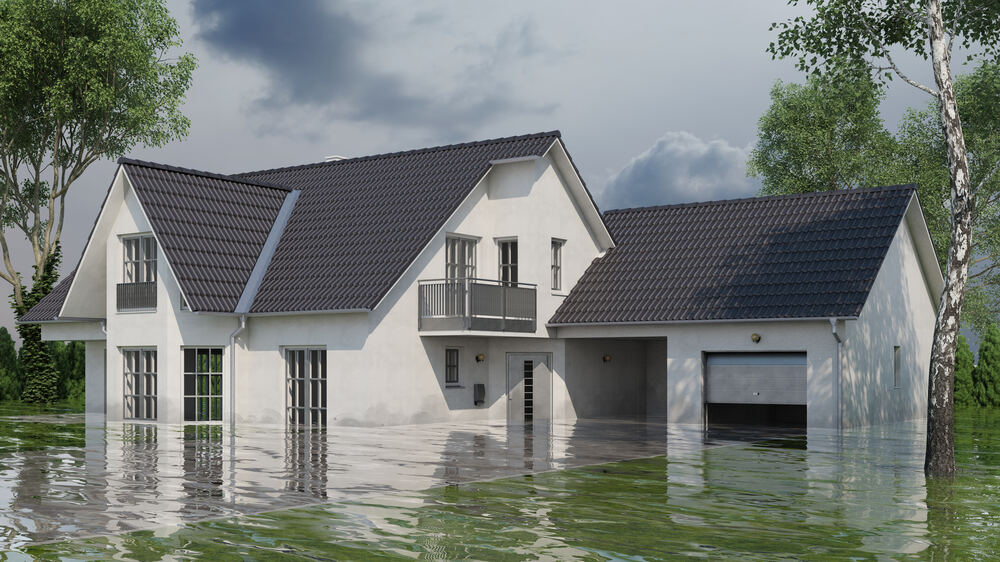
Floods and tropical storm surges are among the most persistent natural risks facing property owners across Florida. In addition to immediate structural hazards, floodwaters carry contaminants and introduce severe moisture loads that trigger rapid microbial growth in our humid climate. Taking proactive flood preparedness measures alongside licensed mold assessment and restoration professionals helps safeguard your home and minimize catastrophic property losses.
Understanding Flood Risks in Florida
The first step in flood preparedness is understanding your local flood zone and surrounding topography. FEMA flood insurance rate maps outline whether your property sits in a high-risk coastal surge zone or an inland area vulnerable to localized sheet flooding during the Atlantic hurricane season. Properties across Central Florida and South Florida face threats not only from ocean surges but also from saturated groundwaters and overwhelmed municipal drainage systems during extended downpours.
Create a Flood Emergency Plan
Once you understand your property's specific risks, establish a clear flood emergency plan. This plan should detail safe evacuation routes, designated meeting spots, emergency contact numbers, and procedures for securing your utilities before leaving. Ensure every household member understands the plan and review it annually ahead of hurricane season.
Prepare an Emergency Disaster Kit
If rising water forces an evacuation, you may need to depart with minimal notice. Prepare an emergency supply kit packed in durable, waterproof containers. Key supplies include non-perishable food, potable drinking water, first-aid gear, flashlights, portable power banks, waterproof document sleeves for insurance paperwork, and necessary prescription medications.
Practical Steps to Protect Your Home from Water Damage
Implementing targeted physical improvements can significantly reduce water infiltration and support a healthy home environment:
1. Seal Exterior Openings and Conduits
Water can penetrate through minute crevices in exterior walls, utility conduit penetrations, window frames, and slab expansion joints. Inspect your home's exterior stucco or siding and seal cracks using high-grade elastomeric sealants or polyurethane masonry caulk.
2. Elevate Mechanical Equipment
Air handlers, water heaters, and major appliances situated at floor level or in ground-floor garages should be elevated on equipment pads or stands where feasible. Elevating critical mechanical systems helps preserve costly equipment from low-level street flooding and plumbing backups.
3. Maintain Drainage and Sump Systems
For homes built with subterranean crawlspaces, sub-slab drainage systems, or exterior collection basins, install high-capacity sump pumps equipped with battery-powered backups. Extended tropical systems frequently cause grid power outages right when drainage pumps are needed most.
4. Digitize and Protect Vital Records
Store physical copies of deeds, birth certificates, and insurance policies in airtight, waterproof safes, and keep encrypted digital copies uploaded to secure cloud storage to ensure access after a major storm event.
5. Clear Gutters, Downspouts, and Swales
Keep roof gutters and downspout extensions completely clear of pine needles and foliage so torrential rainfall discharges well away from your foundation. Ensure drainage swales along your property lines remain free of debris and obstruction so water moves away from the slab.
6. Deploy Flood Barriers Ahead of Storms
Keep reusable flood barriers, sandbags, or flood gates accessible for low-lying exterior doors, sliding glass patio entries, and garage aprons to deflect standing surface run-off away from interior living spaces.
7. Maintain Roof Integrity
High winds can lift shingles or damage membrane seals, allowing rain to pour into attics and wall cavities. Schedule periodic roof inspections to identify loose flashing, worn boots, or cracked tiles before heavy summer storm systems arrive.
Professional Post-Flood Remediation and Drying
If water breaches your living areas, acting quickly is vital. Standing water and saturated building materials require comprehensive water damage restoration and rapid drying to halt structural degradation. Because Florida's year-round warmth creates an ideal breeding ground for microbial growth, timely mold remediation conducted by state-licensed professionals is often necessary to safely contain and eliminate hidden contamination.
For licensed assistance after a flood or water intrusion event, contact Ahold of Mold Environmental. Our team provides thorough moisture evaluations, professional containment, and structural remediation across Central and South Florida to restore indoor air quality and protect your real estate investment.