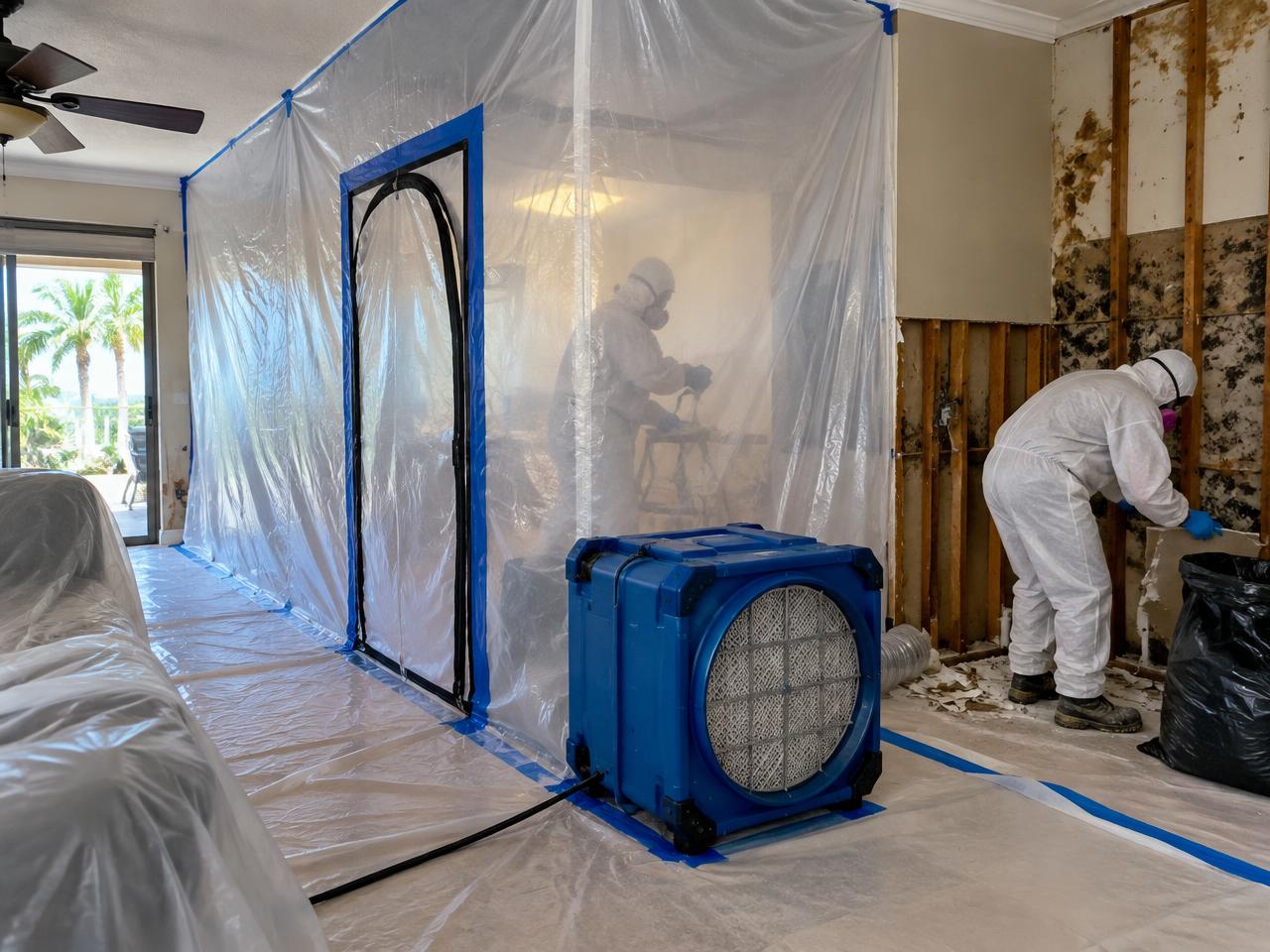
Dealing with microbial growth in your home or commercial building requires prompt, professional action. In Florida's subtropical climate, elevated humidity and storm intrusion create ideal conditions for fungi to spread rapidly. Choosing the right contractor for mold remediation is essential to protecting your building's structural integrity and resolving indoor moisture problems thoroughly.
Before hiring a contractor, evaluate their qualifications, local track record, and adherence to state standards. Use these five tips to select the right company for your property:
- Proven Experience: Mold dynamics in the Southeast are heavily influenced by high relative humidity, frequent rain events, and continuous air conditioning usage. Look for a contractor with years of hands-on experience handling Florida building structures, ductwork issues, and storm-related moisture intrusion. Don't hesitate to ask about specific projects similar to your situation.
- Verified Client References: A reputable company should readily provide references from residential or commercial clients in your region. Check independent online reviews and look for consistency in communication, cleanliness, project timeliness, and professional work ethics.
- Florida State Licensing: In Florida, mold professionals are strictly regulated under Chapter 468 Part XVI of the Florida Statutes. Never hire an unlicensed handyman for mold work. Ensure your contractor holds an active license from the Florida Department of Business and Professional Regulation (DBPR)—either as a Mold Remediator (MRSR) or Mold Assessor (MRSA). Licensed professionals must carry specialized liability insurance and complete mandatory continuing education.
- Technical Expertise & Protocols: Qualified remediators follow industry guidelines such as the IICRC S520 Standard for Professional Mold Remediation. They should utilize physical containment, HEPA air scrubbers, and negative air pressure to avoid cross-contaminating unaffected areas. If your project requires formal analysis first, an independent mold testing inspection should establish the scope of work.
- Detailed, Transparent Estimates: Be cautious of extremely low bids that cut corners or contractors who fail to provide an itemized written estimate. A dependable remediation estimate details the containment procedures, removal of impacted porous materials, antimicrobial cleaning of salvageable framing, and air filtration protocols. Transparent scopes prevent unexpected costs and ensure the underlying moisture source is properly identified.
Professional Service Across Florida
When you need reliable, licensed expertise, partner with Ahold of Mold Environmental. Family-owned and operated since 1996, our team holds dual Florida licenses for Mold Assessment (MRSA3074) and Mold Remediation (MRSR4581). We provide skilled moisture diagnostic and remediation services across Central Florida (Volusia, Flagler, and Brevard counties) and South Florida (Broward County and Fort Lauderdale). Contact our team today to discuss your property's needs with an experienced specialist.