Indoor air is invisible, but it plays a major role in your daily comfort and overall well-being. Because Florida residents keep windows shut and air conditioning running for most of the year, indoor pollutants and elevated moisture can easily become trapped inside. If you suspect the air in your home is compromised, identifying the problem early can prevent property damage and ongoing discomfort.
A professional indoor air quality and mold testing assessment provides an objective look at what is circulating through your living spaces. Here are five clear signs that you should consider scheduling an evaluation for your home:
- Persistent allergy flare-ups indoors: If you find yourself dealing with congestion, sneezing, or irritated eyes inside your home, but your symptoms improve when you step outside or leave for work, indoor contaminants are likely to blame. High concentrations of airborne mold spores, dust mites, or pet dander circulating through your HVAC system are common triggers.
- Unexplained musty odors: A lingering earthy or musty smell is one of the most reliable indicators of microbial activity. In Florida's humid climate, moisture from condensation or hidden plumbing leaks often creates ideal conditions for mold inside wall cavities, beneath baseboards, or within air ducts.
- Lingering respiratory or airway irritation: Ongoing throat irritation, dry coughs, or sinus pressure that does not seem tied to a seasonal cold can point to elevated particulate levels, volatile organic compounds (VOCs), or active fungal growth. A thorough healthy home assessment helps pinpoint whether airborne irritants are present in elevated quantities.
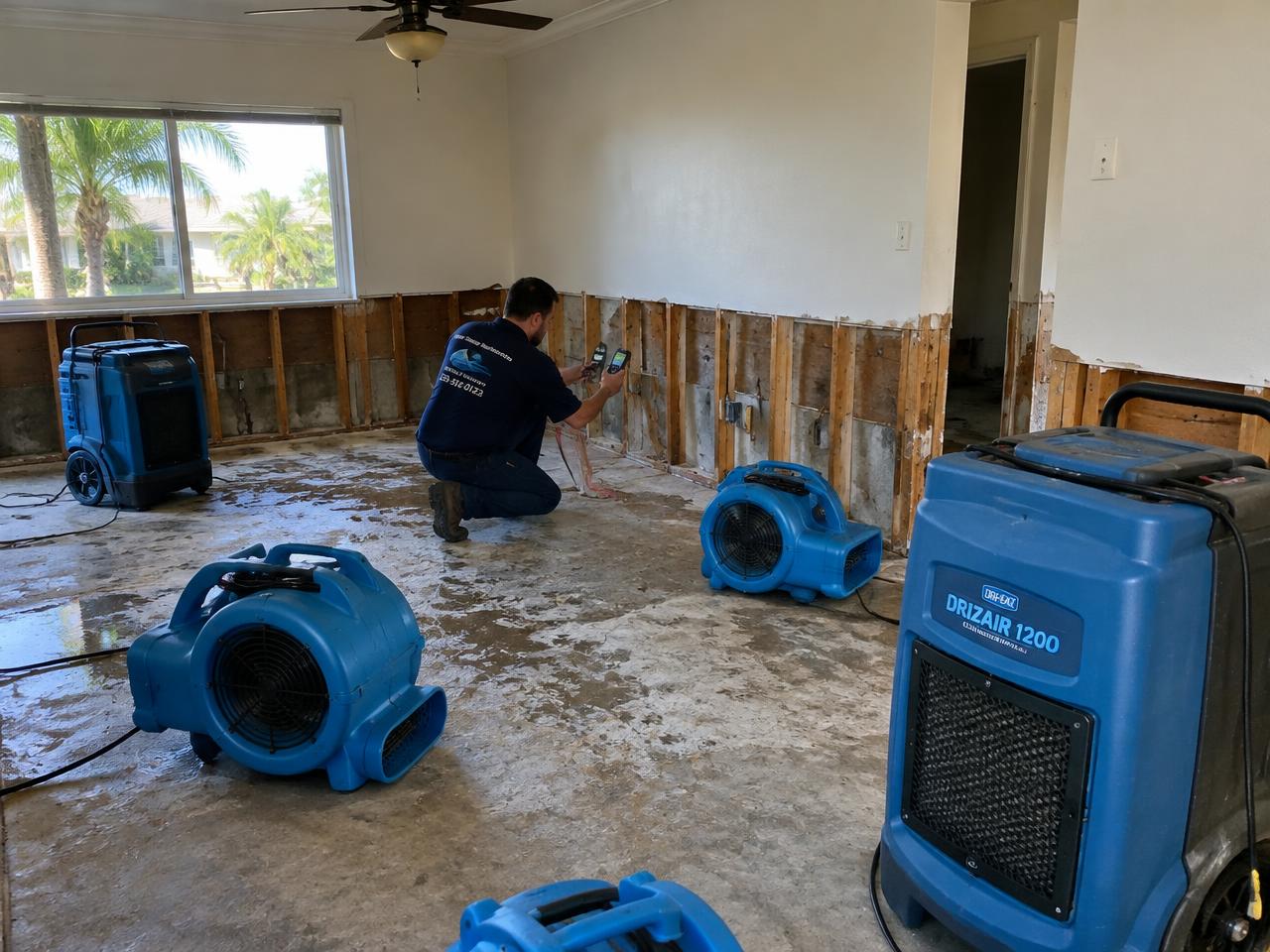
- Recent renovations or water intrusion: Have you recently remodeled, painted, installed new vinyl flooring, or experienced a roof or plumbing leak? Fresh building materials frequently off-gas VOCs, while unresolved moisture from storms or pipe failures can foster hidden microbial growth within 24 to 48 hours. If moisture occurred, professional water damage restoration and air sampling verify that building materials have dried properly.
- Uneven cooling and high indoor humidity: If certain rooms feel humid, clammy, or noticeably warmer than others, your ductwork may have leaks or poor insulation. In Florida, leaking return ducts pull hot, humid air from attics or crawlspaces directly into your living areas, overburdening your AC unit and introducing dust, fiberglass fibers, and mold spores into your indoor air.
Living with poor indoor air quality is not something you have to accept. Ahold of Mold Environmental has provided licensed, family-owned environmental assessment and remediation services across Central Florida and South Florida since 1996. Our licensed assessors (MRSA3074) locate the underlying moisture and particulate sources so you can take confident, corrective action.
If you suspect an air quality issue in your home, contact our team today to schedule a thorough inspection.